Indoor Plants That Transform Your Space
Thomas Blake September 27, 2025
Looking for ways to add life and style to your home? Discover how indoor plants not only enhance your decor but also improve air quality, boost well-being, and offer natural beauty in any setting. This guide explores top choices, care tips, and the many surprising benefits of houseplants.
Why Choose Indoor Plants for Your Home
Indoor plants can instantly elevate any living space, providing a touch of nature and tranquility right under your roof. Unlike artificial decorations, live greenery offers both visual appeal and the added bonus of natural air purification. Studies suggest that a well-chosen selection of indoor plants contributes to improved indoor air quality by removing common toxins and releasing oxygen, making your environment feel fresher and more inviting (https://www.epa.gov/indoor-air-quality-iaq/indoor-plants-and-air-quality). This means that beyond just good looks, which are undeniably appealing, having lush foliage around can support wellness and comfort for anyone spending time indoors.
Another compelling reason to incorporate houseplants into your home is their impact on mood. Research shows that people who surround themselves with greenery often experience lower stress levels, greater relaxation, and a sense of satisfaction with their surroundings. Indoor gardening cultivates responsibility and brings a daily routine of care that many find deeply rewarding. Watching a new leaf emerge or a flower bloom delivers small, consistent joys—a motivator for creating a more serene living space overall.
For many, indoor plants become more than decoration; they turn into cherished companions. Some varieties require minimal attention, making them perfect for busy lifestyles or novice plant keepers. Choices like pothos, snake plants, and peace lilies are especially forgiving for those eager to develop their green thumb. Plus, houseplants can be moved and styled to fit changing tastes or spaces, adding fluidity and creativity to home decor without major investment or renovations.
Popular Indoor Plants That Thrive in Homes
One reason indoor plant trends continue to grow is the sheer variety available. Snake plants top many lists due to their resilience and ability to filter air pollutants. They need infrequent watering and handle both low and bright light, making them a practical choice for beginners or for rooms with limited sunlight. Alongside snake plants, pothos vines are equally versatile, displaying quick growth and dramatic trailing leaves that look impressive on shelves and hanging baskets.
Peace lilies stand out for their elegant white flowers and reputation for low maintenance. They flourish in indirect light and help remove toxins like formaldehyde and benzene from the air, according to NASA studies (https://ntrs.nasa.gov/citations/19930072988). For those seeking color, African violets and bromeliads deliver vibrant blooms that brighten any corner year-round. Each species brings its own character and has different watering, light, and humidity needs, underlining the value of research before bringing one home.
Fiddle leaf figs and monstera plants have soared in popularity thanks to their large, glossy leaves and statement-making size. These varieties are ideal for adding drama and vertical interest to living rooms and offices. With regular care, providing them with filtered sunlight and occasional fertilizing, such feature plants can anchor a design scheme and serve as living art in your environment.
Surprising Health Benefits of Houseplants
Perhaps the greatest unsung advantage of houseplants lies in their health benefits, which extend far beyond air purification. Several studies indicate that the presence of indoor plants may support better cognitive function, potentially leading to improved concentration, productivity, and creativity. Workspaces with plants have been linked to greater employee satisfaction and reduced fatigue, which can be especially valuable in home offices or study zones (https://www.ncbi.nlm.nih.gov/pmc/articles/PMC4419447/).
The process of caring for plants can also encourage mindfulness and routine. Watering, pruning, or simply observing changing leaves forces a pause from digital devices and daily stresses, grounding individuals in the present moment. These mindful intervals create opportunities for relaxation and self-care that are as beneficial as their visual impact. Even those with hectic schedules find that brief interactions with their plants can lift their spirits and contribute to an overall sense of well-being.
Some plants are especially valued for their specific wellness attributes. Aloe vera, for instance, is easy to grow indoors and provides soothing gel to treat minor cuts or burns. Lavender pots, meanwhile, release a calming scent that many use to help foster restful sleep and reduced anxiety. Harnessing both the visual and practical powers of your indoor plants can transform the way spaces feel, function, and influence daily life.
Simple Tips for Thriving Indoor Gardens
Gardening indoors might seem overwhelming, but even first-timers can enjoy success by following a few fundamental tips. Start by selecting containers with drainage holes to keep roots healthy and prevent soggy soil. Opt for a high-quality potting mix designed for indoor use; these blends typically offer the right balance of nutrients and aeration. Indoor plants generally benefit from consistent, filtered light—placing them near an east or north-facing window works for many common varieties.
Watering is another key aspect of healthy plant care, and overwatering is a common misstep. Most indoor species fare better when their soil is allowed to dry slightly between watering sessions. Test moisture with your finger before adding water and adjust frequency based on the plant’s species and the season. Humidity-loving plants may appreciate misting or a pebble tray to create a more suitable microclimate, especially during dry periods or winter months.
Regular maintenance routines—like dusting leaves, removing dead growth, and rotating pots for even light exposure—help plants look their best and grow vigorously. Fertilize sparingly, usually every few months during the growing season, with a formula appropriate to your specific plant type. A little research goes a long way, and experienced gardeners often rely on local gardening centers or university extension services for advice on troubleshooting common issues such as pests or leaf drop.
Creative Ways to Display Your Indoor Plants
How plants are styled can impact both their health and the aesthetics of your space. Mixing a medley of shapes, sizes, and colors creates visual interest and helps showcase the unique beauty of each specimen. Consider grouping smaller pots into clusters for a layered effect, or using plant stands to introduce height variation along windows and hallways. Window sills, bookcases, and kitchen counters all make excellent real estate for letting your indoor garden shine.
Hanging planters offer a space-saving solution, ideal for trailing species like ivy or string of pearls. These elevating containers maximize space in compact apartments and bring greenery up to eye level, enhancing room ambiance and natural light effects. For larger rooms, statement trees in oversized pots can be used as artistic centerpieces, acting as living sculptures that change with the seasons. Mixing materials like woven baskets, ceramic, or metallic planters allows you to tailor the design to match your home’s style.
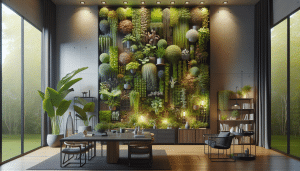
For the adventurous, vertical gardens or wall-mounted planter sets allow for dramatic, high-impact displays without taking up precious floor space. Succulent frames or living walls can transform plain surfaces into lush, textured art. These creative approaches offer fresh opportunities to integrate plants in unconventional spots, sparking both conversation and inspiration in any home.
Choosing the Right Plants for Your Unique Environment
Each home and lifestyle presents different challenges and opportunities when it comes to plant care. Bright, sun-drenched rooms accommodate cacti and succulents, which flourish in direct light and need minimal water. In contrast, shaded corners may be better suited to low-light species like ZZ plants or ferns, which thrive without demanding extra sun. Carefully matching the plant to its intended location boosts the odds of long-term success and reduces frustration.
Climate control factors, such as air conditioning or heating, can affect how plants fare indoors. Some species are sensitive to cold drafts or hot, dry air—placing them away from vents and frequently monitoring their condition can help prevent health problems. If pets or children live in the home, selecting nontoxic varieties is also a priority. Lists of pet-friendly houseplants are available from reputable organizations to help guide your choices (https://www.aspca.org/pet-care/animal-poison-control/toxic-and-non-toxic-plants).
Whatever the context, expanding your indoor plant collection can be a gradual and personalized journey. Starting with just a couple of hardy varieties, learning about their preferences, and experimenting with different arrangements fosters confidence and creativity. With time, many people develop expertise and joy in the stewardship of living things, turning homes into unique jungles full of life and character.
References
1. United States Environmental Protection Agency. (n.d.). Indoor Plants and Air Quality. Retrieved from https://www.epa.gov/indoor-air-quality-iaq/indoor-plants-and-air-quality
2. National Aeronautics and Space Administration. (1989). NASA Clean Air Study. Retrieved from https://ntrs.nasa.gov/citations/19930072988
3. Lee, M.S., Lee, J., Park, B.J., & Miyazaki, Y. (2015). Interaction With Indoor Plants May Reduce Psychological and Physiological Stress by Suppressing Autonomic Nervous System Activity. Retrieved from https://www.ncbi.nlm.nih.gov/pmc/articles/PMC4419447/
4. Royal Horticultural Society. (n.d.). Air Purifying Houseplants. Retrieved from https://www.rhs.org.uk/advice/profile?PID=949
5. American Society for the Prevention of Cruelty to Animals. (n.d.). Toxic and Non-Toxic Plants List. Retrieved from https://www.aspca.org/pet-care/animal-poison-control/toxic-and-non-toxic-plants
6. University of Minnesota Extension. (n.d.). Growing Indoor Plants with Success. Retrieved from https://extension.umn.edu/house-plants/growing-indoor-plants-success

 Gut Health Secrets You Might Not Realize