Secrets to Thriving Indoor Plants in Every Room
Thomas Blake September 27, 2025
Unlock the keys to lush, thriving indoor plants with insights designed for every space in your home. Discover natural ways to enhance air quality, boost mood, and add vibrant greenery—guided by expert-backed tips, light strategies, and sustainable care methods. Transform your living space into a flourishing sanctuary with this comprehensive guide.
Choosing the Right Indoor Plants for Every Space
Selecting the right indoor plants can shape the entire atmosphere of a home. Some plants naturally thrive in sun-drenched living rooms, while others excel in low-light bathrooms or bedrooms. It’s important to match plant species’ light preferences and growth habits to their environment. Plants like pothos, peace lilies, and snake plants are renowned for adaptability and resilience, making them ideal for various rooms. By considering available space and sunlight, homeowners can curate vibrant greenery that supports well-being and complements interior décor.
Understanding your space gives a solid foundation for plant selection. For rooms with bright, indirect sunlight, such as kitchens or sunrooms, opt for tropical plants like monstera or fiddle leaf fig. North-facing areas that receive moderate to low light suit varieties like ferns, ZZ plants, or philodendrons. In smaller areas, compact options such as succulents or air plants supply a spark of life with minimal maintenance and space requirements. Careful planning takes guesswork out of plant choice, increasing long-term success for any indoor garden.
Room-by-room assessments also help avoid common mistakes. Certain indoor plants can purify air, such as spider plants and dracaenas, offering both aesthetic and health benefits. Consider potential pet toxicity and allergy risks; always research each species thoroughly. Matching each plant to the specific microclimate and activity of the room ensures vibrant growth and a harmonious home environment, according to reputable organizations such as the American Horticultural Society (https://www.ahsgardening.org/).
Boosting Indoor Plant Health With Light and Water Strategies
Getting the balance of light and water right is the core of thriving indoor gardening. Plants require energy from sunlight and nutrients via soil and water to flourish. The challenge is mimicking an outdoor ecosystem inside. Light meters or simple observation help determine where sunlight pools and fades throughout the day. Placing sun-loving species by south-facing windows while shade-tolerant varieties fill shadier corners can lift an entire home’s greenery.
Watering routines often make or break indoor plant health. Overwatering is a common pitfall—roots need oxygen as much as moisture, and standing water encourages rot. Aim for a consistent schedule but monitor each plant’s specific needs. Some, like succulents, prefer drying out completely between waterings, while ferns thrive on humidity and slightly damp soil. Using self-watering pots or moisture meters can simplify the care process for busy households.
Optimal results also hinge on proper humidity and air circulation. Misting leaves, grouping plants, or utilizing humidity trays supplies extra moisture during dry seasons. Regularly rotating plants ensures even sunlight exposure, preventing leggy or lopsided growth. Simple adjustments inspired by university extension guidelines can significantly improve vigor and help prevent disease spread (https://extension.psu.edu/houseplants-care-and-selection).
Natural Techniques for Pest Prevention and Sustainable Growth
Pests such as aphids, spider mites, and fungus gnats can find their way indoors, thriving in warm, stable environments. Fortunately, natural defense mechanisms keep these intruders at bay. Inspecting leaves, stems, and soil weekly is critical. Washing foliage with gentle soap solution, introducing beneficial insects, or dusting soil with cinnamon can block and remedy infestations without toxic chemicals. Implementing these biological controls promotes sustainable plant care.
Sustainable maintenance routines are gaining traction due to mounting environmental concerns. Consider composting kitchen scraps as slow-release fertilizer, reducing synthetic input while recycling household waste. Watering plants with collected rainwater or dechlorinated tap water is gentler on roots, encouraging robust growth and reducing a home’s eco-footprint. Setting up a composting system or exploring eco-friendly fertilizers builds healthy soil and resilient plant structures.
Even soil choice plays a part in sustainable plant care. Opting for peat-free mixes and organic potting soil supports biodiversity at both the plant and ecosystem levels. Reputable gardening sources recommend regular soil amendments and periodic repotting to stave off nutrient depletion. Such cycles mirror nature’s renewal and can yield more vibrant, disease-resistant plants throughout the home (https://www.rhs.org.uk/advice/profile?pid=14).
Maximizing the Mood and Health Benefits of Indoor Greenery
Indoor plants do more than beautify; their presence has measurable effects on mood and wellness. Research indicates that exposure to greenery reduces stress, enhances concentration, and can contribute to a sense of calm. Some plant species, including aloe vera and rubber plants, are linked with improved air purification, though experts recommend a variety of plants for greatest benefit. Even a small cluster of leafy companions on a desk or nightstand can boost focus and happiness.
The psychological impact of nurturing living things shouldn’t be underestimated. Tending to houseplants offers restorative, meditative routines. Regular watering, pruning, and observing new growth foster mindfulness and a break from digital overload. Creating indoor gardens centered around relaxation—like a herb nook in the kitchen or a fern corner in the bathroom—invites moments of grounding throughout daily routines, as outlined by wellness experts (https://www.ncbi.nlm.nih.gov/pmc/articles/PMC4419447/).
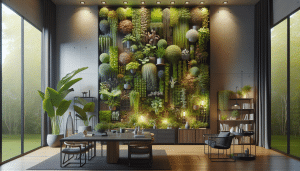
Designers often harness plants’ positive energies through biophilic design, integrating nature into indoor architecture. Arranging trailing vines along bookshelves or clustering planters by windows transforms bland areas into lush focal points. Even in limited spaces, vertical gardens or wall-mounted planters can multiply greenery without crowding. These choices appeal visually and yield a home that feels alive and welcoming, according to sustainable design research (https://www.wellcertified.com/).
Innovative Display and Potting Solutions for Every Home
Creative plant displays add personal style and functionality to home interiors. Floating shelves, macramé hangers, or repurposed glass jars turn ordinary plants into captivating features. For maximum impact, group plants of varied sizes and foliage together, crafting layers of greenery that draw the eye and break up flat spaces. Terrariums or mini-greenhouses offer microclimates for more sensitive species, enabling even urban dwellers to raise exotic varieties.
Proper potting is at the core of successful indoor gardening. Choose containers with adequate drainage and materials like terra cotta, which balance airflow and moisture retention. Decorative outer planters allow for switching styles without sacrificing plant health. Repotting every one to two years fosters continued growth and guards against soil depletion or compaction, a common challenge for established houseplants.
For those short on vertical real estate, wall-mounted planters or ladder-style stands expand plant arrangements safely. Integrating planters into furniture designs—such as coffee tables with inbuilt grow beds—merges natural elements with daily living. The trend toward multi-functional planting solutions allows anyone to enjoy the benefits of indoor greenery regardless of space or experience level (https://edis.ifas.ufl.edu/publication/EP035).
Troubleshooting Common Indoor Plant Challenges
Most indoor gardeners encounter setbacks such as leaf browning, wilting, or unexpected pests. Diagnosing issues quickly preserves plant health. Changes in leaf color may signal over- or under-watering; yellow leaves often point to nutrient deficiencies or root stress. Investing a few minutes each week in plant inspection helps catch small problems before they escalate into bigger ones.
If pests like fungus gnats or spider mites appear, isolate affected plants immediately. Natural remedies, such as neem oil or sticky traps, help manage outbreaks without risking household members or pets. Trimming damaged leaves and repotting in fresh, well-draining soil supports recovery. Slow growth or wilting despite proper care may indicate a need for more light or less frequent watering. Observation and patience make a difference, and referencing expert guides or local extension offices can solve persistent problems.
Some challenges are cyclical or environmental—dry winter air, for example, can sap humidity and affect ferns or calatheas. Regularly cleaning leaves, ensuring ample space for airflow, and boosting indoor humidity can mitigate such seasonal impacts. When setbacks occur, adopting a problem-solving mindset turns mistakes into learning opportunities for future plant care (https://hgic.clemson.edu/factsheet/indoor-plants-care-and-maintenance/).
References
1. American Horticultural Society. (n.d.). Houseplants: Choosing the right plants. Retrieved from https://www.ahsgardening.org/
2. Penn State Extension. (n.d.). Houseplants: Care and selection. Retrieved from https://extension.psu.edu/houseplants-care-and-selection
3. Royal Horticultural Society. (n.d.). House plant care. Retrieved from https://www.rhs.org.uk/advice/profile?pid=14
4. Lee, M.S., Lee, J., Park, B.J., & Miyazaki, Y. (2015). Interaction with indoor plants may reduce psychological and physiological stress by suppressing autonomic nervous system activity in young adults: a randomized crossover study. Retrieved from https://www.ncbi.nlm.nih.gov/pmc/articles/PMC4419447/
5. International WELL Building Institute. (n.d.). Biophilic design strategies. Retrieved from https://www.wellcertified.com/
6. Knox, G.W., & Henley, R.W. (2007). Selection, care, and uses of common indoor plants. University of Florida IFAS Extension. Retrieved from https://edis.ifas.ufl.edu/publication/EP035

 Secrets You Miss About Raised Bed Vegetable Gardens