Ways You Can Transform Your Backyard Naturally
Thomas Blake September 26, 2025
Discover practical ideas for transforming an ordinary backyard into a thriving, sustainable retreat. In this guide, learn about native landscaping, eco-friendly gardening, outdoor living trends, and methods to boost value and comfort within your outdoor space—all designed for those who want to build a restful and inviting home sanctuary.
Reimagining Backyard Space for Relaxation
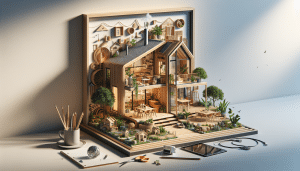
Many households overlook the potential their backyard offers for stress reduction and recreation. Upgrading your backyard design can provide a calming extension of indoor comfort. Consider blending landscaping with functional elements such as shaded seating, soft outdoor lighting, and gentle water features. This approach creates an atmosphere that invites relaxation and supports mental wellness. Not only does a thoughtfully designed yard offer privacy, but it eases the mind after a long day. Simple touches, like a hammock or reading nook, may encourage mindful outdoor breaks. These enhancements make spending time outside more appealing at any hour and season.
When planning, start with a few core priorities: do you want a dedicated area for social gatherings, or a quiet corner for reflection? Map out your wish list with these goals in mind—think low-maintenance plants, comfortable patio furniture, or even an outdoor kitchen if entertaining is a key part of your lifestyle. Carefully chosen landscaping elements can shield your yard from noise and wind, making the space comfortable year-round. Seeking input from family members encourages shared backyard enjoyment. This collaborative approach helps align natural beauty with functional benefits, which can make the transformation more successful and satisfying for everyone involved.
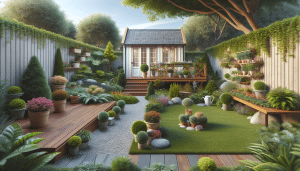
Privacy features play a major role. You may use layered plantings, fencing, or trellises covered with vines to achieve a secluded retreat. These additions foster a peaceful zone that feels separate from nearby homes or streets. Incorporate evergreen shrubs and native trees for foliage that persists through each season, ensuring your sanctuary remains vibrant all year. Even smaller backyards benefit from screening plants or lattice panels to define cozy spaces. Prioritizing both visual interest and privacy helps ensure your backyard serves as an inviting escape from daily pressures, no matter its size or layout.
Native Landscaping for Sustainability and Beauty
Choosing native plants is one of the most impactful backyard upgrades. These species are naturally suited to the local climate, which means they require less water, fertilizer, and overall maintenance. Sustainable landscaping is a method that integrates the existing ecosystem and supports pollinators, birds, and beneficial insects. By selecting flowers, grasses, shrubs, and trees that grow well in your region, a thriving backyard garden takes shape with minimal inputs. Native plant gardening not only looks beautiful but also minimizes the need for pesticides and irrigation, reducing both environmental impact and household expenses (Source: https://www.fs.fed.us/wildflowers/Native_Plant_Materials/nativeplants/index.shtml).
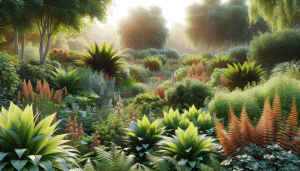
Diversifying your plant palette creates visual interest and seasonal color. Native wildflowers can burst with blooms in spring and summer, while grasses add movement and texture during fall and winter. Mix groundcovers, perennials, and trees carefully to build structure and year-round appeal. Grouping similar plants together offers practical benefits; it makes watering simpler and can help reduce maintenance needs overall. This layered approach fosters mini habitats that attract birds, butterflies, and beneficial insects, turning your backyard into a vital part of local biodiversity efforts. In regions with water scarcity, drought-tolerant native plants further improve a garden’s sustainability.
Homeowners are often surprised by the savings from native landscaping. Water bills drop as hardy plants require less frequent irrigation than non-native species, and time spent on pruning, fertilizing, and pest control also decreases. Over time, the garden’s resilience increases, allowing it to withstand extreme heat, drought, or pest infestations. Local extension services and botanical gardens can offer guidance on native plant selection and care, empowering residents to enjoy a lush, eco-friendly landscape. These choices ensuring the backyard remains inviting and healthy, even as climate conditions evolve over the years.
Eco-Friendly Gardening Methods Every Homeowner Should Know
Eco-friendly gardening not only benefits the environment but can also create a healthier and more self-sustaining backyard. Composting is a cornerstone practice; by recycling kitchen scraps and yard waste, you can enrich soil naturally and reduce landfill contribution. Organic mulches such as straw, woodchips, or shredded leaves further improve soil health and moisture retention. These sustainable methods reduce dependence on synthetic fertilizers, supporting robust plant health while minimizing runoff into stormwater systems (Source: https://www.epa.gov/recycle/composting-home).
Integrated pest management (IPM) offers another step toward a balanced garden ecosystem. Instead of relying on chemical pesticides, IPM promotes companion planting, mechanical barriers, and the encouragement of natural predators like ladybugs. Techniques such as rotating crops and monitoring plant health prevent major infestations and illnesses. Cultivating a diverse mix of plant species also disrupts pests’ life cycles, resulting in fewer outbreaks. When synthetic controls are used as a last resort, they are applied with caution to target only necessary areas, minimizing harm to pollinators and pets.
Water conservation stands as an essential technique for sustainable gardening. Installing rain barrels or drip irrigation systems delivers water directly to plant roots where it’s needed most. Selecting drought-tolerant plants, grouping them by water requirements, and watering during cooler parts of the day prevents waste. Over time, these small changes reduce water usage significantly, save money, and promote healthier root development. Even simple changes, like swapping out lawns for native groundcovers, make a noticeable difference in long-term water needs and ecosystem resilience.
Outdoor Living Trends Impacting Home Value and Comfort
Outdoor living spaces have become a focal point for homeowners looking to extend usable living areas beyond four walls. Features like pergolas, firepits, dedicated dining zones, and weatherproof furniture provide year-round comfort. Adding an outdoor kitchen or built-in grill can make entertaining effortless. These upgrades increase enjoyment while often adding measurable value to a property. Homes with kitchen gardens, play zones, or flexible spaces appeal to buyers seeking both functionality and relaxation, illustrating just how versatile the modern backyard has become (Source: https://www.nahb.org/advocacy/industry-issues/sustainability-and-green-building/outdoor-living-trends).
Flexible spaces grow in popularity. Many households seek out weather-resistant structures for year-round enjoyment, such as screened porches or adjustable canopies. Adding string lights, outdoor rugs, and modular furniture encourages flexible arrangements for lounging or social gatherings. As more people work from home, well-designed patios or covered decks serve as open-air offices on pleasant days. These innovations help maintain indoor-outdoor connections, increasing both productivity and daily enjoyment.
Sound and lighting also matter. Soft background music, gentle landscape lighting, and subtle water features foster an inviting atmosphere. These elements transform an ordinary backyard into a venue for entertainment or peaceful solitude. Undertaking small projects, like constructing a stone path or installing solar lights, blends both aesthetics and practicality for lasting appeal. These upgrades invite evening relaxation, family meals outdoors, or time spent appreciating starry skies—all boosting quality of life in subtle yet meaningful ways.
Simple Steps to Begin a Pollinator-Friendly Garden
Pollinator-friendly gardens create habitats vital for bees, butterflies, and hummingbirds, all of which play a central role in supporting global food systems. Start by incorporating a mix of flowering native plants that bloom at different times of the year. These offer reliable sources of nectar and pollen throughout the seasons. Avoiding pesticides and providing sources of clean water further increases garden attractiveness. Even a small patch densely planted with pollinator favorites can make a meaningful difference (Source: https://xerces.org/pollinator-conservation/plant-lists).
In addition to flowers, add host plants for butterfly larvae and shrubs for shelter. Clumping plants together makes it easier for pollinators to feed efficiently. Complementing these clusters with shallow water dishes and sunning stones draws a range of pollinator species to your space. Regularly removing invasive weeds preserves native habitat, while leaving some deadwood undisturbed provides nesting sites for solitary bees. This thoughtful approach builds a thriving micro-ecosystem that can inspire neighbors and visitors alike.
A pollinator-friendly focus changes the way homeowners view garden aesthetics. Messy patches of native wildflowers, often mistaken for neglect, are in fact crucial food banks for insects and birds. Over time, the yard shifts from manicured perfection to vibrant, buzzing life. Documenting new visitors or participating in local pollinator counts helps connect your personal efforts with broader community science projects. Even in urban areas, pollinator gardens contribute significantly to broader environmental health and sustainability.
Adapting Small or Shaded Backyards Creatively
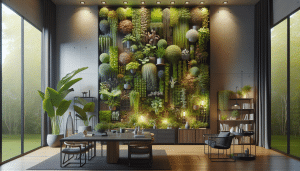
Not every home comes with a vast sun-soaked lawn. Yet even small or shaded backyards can thrive as inviting outdoor escapes. To make the most of limited space, try vertical gardening techniques—installing wall planters, trellises, or stacked containers allows more plants to grow upward. Select shade-tolerant groundcovers, ferns, and hostas for dim corners. These tricks turn overlooked areas into lush mini-retreats (Source: https://www.gardeners.com/how-to/shade-gardening/5334.html).
Mirrors, reflective water features, and pale paving stones brighten darker spaces. These additions bounce sunlight deeper into shady zones, creating a sense of spaciousness and warmth. Simple furnishings like foldable bistro sets or compact bench swings can fit into tight corners. Creative zoning—using potted plants or lattice screens to demarcate areas—lets you maximize privacy and establish purposeful nooks. Each small backyard becomes a tailored oasis, proving that vibrant outdoor spaces need not require huge square footage.
Adapting to shade sometimes involves selecting unique plant varieties. Native woodland wildflowers or edible greens thrive out of intense sunlight and offer both beauty and functionality. Gardeners can experiment with colorful containers, hanging baskets, and decorative mulch to add visual variety. Even balconies or paved courtyards can be transformed with mixed planters and creative use of vertical space, underscoring the idea that almost any area—no matter how overlooked—holds promise for transformation.
References
1. U.S. Forest Service. (n.d.). Native Plant Materials. Retrieved from https://www.fs.fed.us/wildflowers/Native_Plant_Materials/nativeplants/index.shtml
2. U.S. Environmental Protection Agency. (n.d.). Composting At Home. Retrieved from https://www.epa.gov/recycle/composting-home
3. National Association of Home Builders. (n.d.). Outdoor Living Trends. Retrieved from https://www.nahb.org/advocacy/industry-issues/sustainability-and-green-building/outdoor-living-trends
4. Xerces Society. (n.d.). Pollinator Conservation Plant Lists. Retrieved from https://xerces.org/pollinator-conservation/plant-lists
5. American Society of Landscape Architects. (n.d.). Sustainable Residential Design. Retrieved from https://www.asla.org/residentialinfo.aspx
6. Gardener’s Supply Company. (n.d.). Shade Gardening. Retrieved from https://www.gardeners.com/how-to/shade-gardening/5334.html

 Secrets You Can Unlock for Funding Your Startup Journey