Gardening Techniques That Improve Plant Health
Thomas Blake September 26, 2025
Keeping plants thriving is easier than ever with new gardening techniques that improve plant health. From biochar to precision watering, today’s methods are practical, sustainable, and proven to make gardens stronger against disease and climate stress.
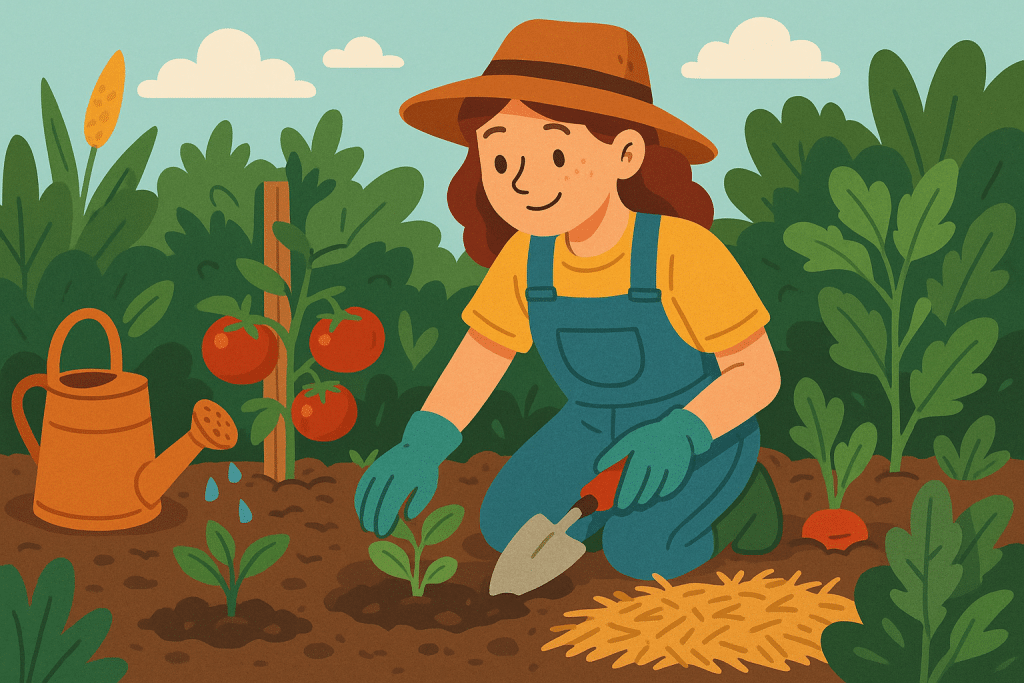
Why Plant Health Matters More Than Ever
Healthy plants don’t just look good—they play a critical role in food security, carbon capture, and local biodiversity. Yet, climate change, soil degradation, and rising pest resistance are pushing gardeners to adopt smarter techniques. According to the UN’s Food and Agriculture Organization, soil degradation already affects 33% of the Earth’s land, limiting plant growth worldwide (FAO 2020).
This makes it vital for home gardeners, urban farmers, and professionals alike to adopt approaches that prioritize resilience, nutrient efficiency, and sustainability.
Top Gardening Techniques That Improve Plant Health
1. Biochar for Soil Strength
Biochar—charcoal used as a soil additive—is emerging as one of the most effective tools for improving soil health. It increases nutrient retention, boosts microbial activity, and helps soil hold water longer. A study in Agronomy Journal found that biochar application improved plant biomass by up to 25% while reducing the need for synthetic fertilizers (Jeffery et al. 2017).
How to Use It:
- Mix into the top 6 inches of soil.
- Combine with compost for best results.
- Apply once every 2–3 years.
2. Companion Planting for Pest Resistance
Companion planting is an old but increasingly relevant method to improve plant health naturally. Growing basil near tomatoes, for instance, reduces pest attacks and improves flavor. Marigolds deter nematodes and aphids, protecting neighboring crops.
Best Combinations in 2025:
- Tomatoes + Basil
- Cucumbers + Dill
- Carrots + Onions
Research from the University of Florida shows that companion planting reduced pest presence by up to 60% in vegetable gardens (UF/IFAS 2022).
3. Precision Irrigation with Smart Sensors
Overwatering and underwatering are two of the fastest ways to compromise plant health. Precision irrigation systems—often using soil moisture sensors—deliver just the right amount of water, reducing stress and disease risk.
In fact, smart irrigation can cut water use by 30–50% while increasing plant resilience (EPA 2021).
Tips for Gardeners:
- Install drip irrigation with a timer.
- Use moisture probes to track soil levels.
- Adjust watering schedules seasonally.
4. Organic Mulching to Protect Soil Life
Mulch acts as a natural shield for plant roots, regulating temperature, conserving moisture, and feeding soil microbes as it decomposes.
Best Mulch Materials:
- Straw or hay
- Shredded leaves
- Compost-rich bark
By using organic mulch, gardeners reduce soil compaction and improve overall plant health. According to Soil Biology & Biochemistry, mulching can increase soil microbial biomass by 20% (Wang et al. 2020).
5. Vertical Gardening for Urban Spaces
With limited space in urban settings, vertical gardening not only maximizes area but also improves airflow, reducing fungal infections. Living walls and modular hydroponic towers are among the hottest trends for 2025, making plant health easier to manage indoors and outdoors.
Advantages:
- Better disease control due to spacing.
- Less soil-borne infection.
- Improved root oxygenation.
6. Microbial Inoculants for Natural Growth Boost
Beneficial microbes like mycorrhizal fungi and nitrogen-fixing bacteria work with plants rather than against the soil. Mycorrhizae extend root systems, improving access to water and nutrients, while bacteria such as Rhizobium help convert nitrogen from the air into a form plants can use. Together, they act as “biofertilizers” that boost growth naturally.
These inoculants also strengthen plants against stress. Fungi improve drought tolerance and nutrient uptake, while some bacteria trigger natural disease resistance. They’re simple to use—most come as powders or liquids for seed coating, root dips, or soil application.
Research supports their impact. A 2019 study in Frontiers in Plant Science found that microbial inoculants increased nitrogen-use efficiency by 22% compared to conventional methods (Smith et al. 2019). This means healthier plants, lower fertilizer use, and better long-term soil health.
7. Reg7. Regenerative Gardening Practices
Borrowed from regenerative agriculture, this approach is about restoring soil and building long-term plant health rather than chasing short-term harvests.
Key techniques include:
- No-Till Gardening – Leaving the soil undisturbed keeps its natural structure intact, protects microbes, and helps roots grow deeper.
- Cover Cropping – Planting legumes or clover during off-seasons adds nitrogen naturally and keeps weeds in check.
- Diverse Planting – Mixing vegetables, herbs, and flowers creates balance, attracts pollinators, and reduces the risk of pests spreading.
Adding compost or mulch further strengthens soil life, while smart watering (like drip systems or rainwater collection) makes the garden more resilient to dry spells.
Over time, regenerative gardens tend to become healthier, produce stronger yields, and face fewer pest problems—because they’re working with nature, not against it.
Practical Gardening Tips for 2025
Test Your Soil Regularly – A quick annual pH and nutrient test tells you if your soil is too acidic or missing essentials like nitrogen. This small step saves you from weak growth later.
Choose Disease-Resistant Varieties – Many 2025 seed catalogs highlight plants that handle pests and heat better. Think blight-resistant tomatoes or cucumbers bred to fight mildew.
Rotate Crops – Switching plant families each year breaks pest and disease cycles. For example, follow tomatoes with beans or leafy greens instead of peppers.
Integrate Technology – Simple soil sensors and apps now track moisture and stress in real time, pinging your phone before plants wilt.
Think Local – Native plants usually resist local pests better, need less water, and draw pollinators to your garden.
Final Thoughts: A Healthier Garden for a Healthier Planet
Gardening techniques that improve plant health are no longer niche practices—they’re mainstream tools for food security and environmental protection. From microbial inoculants to smart watering systems, gardeners can now boost resilience while conserving resources.
Whether you’re tending a backyard tomato patch or managing an urban rooftop, the future of gardening is sustainable, science-driven, and full of possibilities.
References
- University of Minnesota Extension. (2021) Sustainable home gardening practices. Available at: https://extension.umn.edu/sustainable-home-gardening (Accessed: 26 September 2025).
- Royal Horticultural Society (RHS). (2023) Soil preparation and planting techniques. Available at: https://www.rhs.org.uk/advice/profile?pid=305 (Accessed: 26 September 2025).
- U.S. Department of Agriculture (USDA). (2022) Plant health and soil management. Available at: https://www.usda.gov/topics/farming/plant-health (Accessed: 26 September 2025).

 Smart Home Devices That Improve Efficiency