Unlock the Secrets to Healthy Gut Wellness
Emily Ward September 25, 2025
Curious about how your gut influences energy and overall wellness? This detailed guide explores the science behind gut health, probiotics, and simple strategies for creating a happier digestive system. Start your journey to better health by learning what makes your gut thrive.
Understanding Gut Health and Its Impact
The gut isn’t just about digestion—it’s closely linked to your immune system, mood, and daily vitality. There is an intricate community of bacteria, known as the gut microbiome, living within the digestive tract. These bacteria play a vital role in breaking down food, absorbing nutrients, and even producing some essential vitamins. Researchers have discovered that gut microbiota communicate directly with the brain through what is often called the gut-brain axis. When gut flora are in balance, digestion usually improves and nutrient uptake is more efficient, leading to enhanced overall well-being.
A disrupted gut microbiome can influence many aspects of health. Symptoms may include bloating, irregular bowel movements, fatigue, or even difficulty concentrating. This imbalance could stem from antibiotics, chronic stress, or poor dietary habits. High-sugar, heavily processed foods are known to feed harmful bacteria in the digestive tract, tipping the scales away from beneficial species. Addressing this imbalance may support immune defense and even improve mood stability, thanks to gut microbes producing neurotransmitters, including serotonin.
Adopting mindful eating habits is a practical step toward balanced gut health. Chewing food thoroughly, choosing fibrous fruits and vegetables, and consuming fermented foods can foster a resilient internal environment. Incorporating these habits gradually, and learning about the unique signals your digestive system gives, sets the foundation for a healthier gut. Even subtle changes, such as including leafy greens or yogurt, may be an easy start for supporting overall wellness. For many, this approach leads to noticeable improvements in daily comfort and vitality.
The Role of Probiotics in Supporting Digestion
Probiotics are live microorganisms that can deliver health benefits when taken in adequate amounts. Found naturally in foods like kefir, sauerkraut, and kimchi, probiotics may help restore a healthy microbial balance after illness or antibiotic use. These friendly bacteria take up residence in the gut, crowding out potentially harmful pathogens and aiding the breakdown of fibers that your body can’t digest on its own. Many experts now recommend regular probiotic intake as part of a balanced diet for optimal gut support.
Clinical research has shown that certain probiotic strains can support symptoms of digestive discomfort. This includes reducing symptoms of bloating, supporting regularity, and decreasing the chances of developing certain gastrointestinal disturbances. Not all probiotics are the same; each strain may influence the gut differently. For instance, Lactobacillus and Bifidobacterium are two of the most widely researched genera, noted for their roles in supporting the intestinal barrier and maintaining microbial diversity.
Supplementation with probiotics has become common, but it’s also possible to receive similar benefits through diet alone. Including a variety of cultured foods can introduce multiple strains of beneficial bacteria to the digestive system. Diversity is key, as a richly varied microbiome is often associated with greater resilience. Always consult a healthcare provider before beginning new supplements, especially for individuals with compromised immune systems or underlying conditions, as individual responses can vary.
Identifying Signs of an Unbalanced Gut
Spotting signs of an imbalanced gut involves paying close attention to how the body feels day to day. A sudden increase in bloating, gas, or unpredictable bowel habits may hint that the digestive system is under stress. Additionally, unexpected food sensitivities, skin breakouts, or frequent fatigue can sometimes track back to gut-related issues. When the balance of bacteria tips toward less friendly strains, protective barriers in the intestines may weaken, leading to greater discomfort or food reactivity.
Some individuals notice that recurring headaches or joint aches correlate with periods of digestive upset. This is because the gut is deeply interwoven with immune responses and inflammatory pathways. Research links poor gut health to an increased risk of certain metabolic and autoimmune conditions (Source: https://www.niddk.nih.gov/health-information/digestive-diseases). Listening to body cues and keeping a simple health diary can help identify patterns that may be connected to gut imbalance.
Awareness is the first step to wellness. Before making any drastic changes or trying elimination diets, consider tracking physical and emotional symptoms for several weeks. This approach can reveal subtleties, like how stress or high-sugar snacks impact comfort. Bringing this record to a healthcare provider often makes it easier to discuss possible next steps, such as dietary adjustments or diagnostic tests. Early identification empowers individuals to address concerns before they become overwhelming.
Simple Dietary Shifts for Lasting Wellness
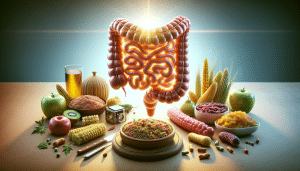
Integrating more fiber-rich foods is a proven way to nurture beneficial gut flora. Plant fibers act as prebiotics—molecules that feed helpful bacteria and encourage their growth. Oats, beans, berries, artichokes, and bananas are all excellent sources of prebiotic fiber. Routine consumption can lead to smoother digestion, regular bowel movements, and improved energy levels. These shifts don’t require a complete dietary overhaul—small, sustainable steps are best for long-term wellness.
Fermented foods offer another avenue for gut support. Yogurt with live cultures, pickled vegetables, miso soup, and kombucha bring a range of probiotics and other beneficial compounds. When added to meals regularly, they can complement the effects of a high-fiber diet. Together, prebiotics and probiotics create a supportive environment for friendly bacteria, acting in harmony for a balanced gut ecosystem. Exploring a diverse menu, and introducing one new fermented food at a time, can help prevent overwhelm for those new to this approach.
Hydration is just as vital. Drinking adequate water supports the movement of food and microbes through the digestive tract. It also aids fiber in expanding and forming soft stools, reducing the risk of constipation. Even with a fiber-rich, probiotic-forward diet, insufficient hydration can hamper gut benefits. Paying attention to thirst cues and choosing water-rich foods like cucumbers or oranges can further assist healthy digestion and overall daily comfort.
Movement, Stress, and the Gut-Brain Connection
Physical activity stimulates the muscles of the digestive tract, supporting regular bowel function and microbial balance. Walking, stretching, or low-impact exercises like yoga can benefit gut health without requiring high intensity. These activities also help reduce chronic stress, a well-known contributor to digestive distress. Stress hormones can alter gut permeability and slow down digestive processes, so embracing movement as part of a daily routine is a practical, gentle intervention.
The gut-brain axis is a powerful communication system linking mood, stress, and digestive function. Stress management techniques—mindfulness, deep breathing, or meditation—are associated with improved digestive comfort and improved gut barrier integrity. People frequently report that relaxation practices not only boost mood but also lead to improvements in regularity and reduced abdominal discomfort. Making even small time investments in these areas can have significant returns for gut and brain harmony.
Emerging research indicates the gut microbiome influences behaviors and emotional responses, with some metabolites acting directly on mood centers in the brain (Source: https://www.nimh.nih.gov/health/topics/brain-and-gut). Integrating movement with stress-reducing habits, while staying attuned to the body’s signs, can unlock new levels of wellness. This holistic strategy is accessible and adaptable—suitable for busy schedules and varied health needs.
When to Seek Guidance and What to Expect
Recognizing when home strategies aren’t enough is important. Persistent changes in bowel habits, serious discomfort, or symptoms such as unexplained weight loss warrant consultation with a healthcare professional. Medical providers may recommend diagnostic tests or suggest tailored treatment plans, which could include dietary guidance, microbiome analysis, or other interventions. Acting early, before symptoms escalate, often allows for more effective management and peace of mind.
During medical evaluations, expect a thorough review of symptoms, health history, and sometimes laboratory analysis. Providers may ask about recurrent digestive complaints, diet, stress exposures, and even sleep quality. These details help to map possible contributing factors and create a comprehensive support plan. Follow-up care often includes guidance on maintaining a food diary, experimenting with dietary adjustments, and monitoring symptom changes. Collaboration ensures recommendations are more closely aligned with individual needs and health goals.
With increasing recognition of the gut’s central role in long-term wellness, there’s no shortage of research and innovative therapy options emerging. From low-FODMAP approaches for sensitive digestion, to targeted probiotic regimens, new insights offer more customizable care. Staying informed—by reading reputable health resources and checking in with providers—helps individuals make informed decisions. The journey to gut wellness is unique for everyone, but trusted guidance makes each step more manageable and hopeful.
References
1. National Institutes of Health. (n.d.). Brain-Gut Axis. Retrieved from https://www.nimh.nih.gov/health/topics/brain-and-gut
2. National Institute of Diabetes and Digestive and Kidney Diseases. (n.d.). Digestive Diseases. Retrieved from https://www.niddk.nih.gov/health-information/digestive-diseases
3. Harvard T.H. Chan School of Public Health. (n.d.). The Microbiome. Retrieved from https://www.hsph.harvard.edu/nutritionsource/microbiome/
4. Mayo Clinic. (n.d.). Probiotics: What You Need To Know. Retrieved from https://www.mayoclinic.org/probiotics/art-20390058
5. Johns Hopkins Medicine. (n.d.). The Brain-Gut Connection. Retrieved from https://www.hopkinsmedicine.org/health/wellness-and-prevention/the-brain-gut-connection
6. Cleveland Clinic. (n.d.). Prebiotics, Probiotics and Your Health. Retrieved from https://my.clevelandclinic.org/health/articles/14598-probiotics

 Can You Transform Your Skin with Collagen Peptides