Smart Indoor Gardening Ideas You Will Want to Try
Thomas Blake September 25, 2025
Exploring smart indoor gardening opens new possibilities for green spaces at home. This engaging guide highlights innovative approaches, practical methods, and key benefits of growing plants indoors—covering vertical gardens, automation, space-saving tricks, plant care tips, and eco-friendly solutions for better living.
Discovering the World of Smart Indoor Gardens
Smart indoor gardening has evolved from a quaint hobby into a vital part of modern living. As more people look for effective ways to grow fresh produce or simply boost well-being, technology and creativity have joined forces. Stylish containers, innovative lighting, and efficient watering systems now allow even the busiest urban dwellers to cultivate thriving houseplants all year round. Smart gardens not only enhance your living spaces. They also contribute to air purification, provide therapeutic benefits, and reduce your carbon footprint compared to buying shipped produce or cut flowers https://www.epa.gov/indoor-air-quality-iaq/indoor-plants-and-air-quality. The value isn’t just in aesthetics—science backs the health perks, too.
Many households struggle with limited space and unpredictable weather. Indoor gardens circumvent these issues by offering controlled environments, making them accessible regardless of climate or square footage. Even apartments with little natural sunlight can support smart plant growth with LED grow lights or hydroponic kits. The market features a variety of compact solutions, from stackable planters to countertop microgreens systems. Embracing smart gardening methods can be a practical step toward food resilience. It’s also a fun way to reconnect with nature even if you live on the tenth floor of a city tower.
Houseplants aren’t the only stars of smart gardens. Herbs, salad greens, and even dwarf fruit varieties are thriving indoors due to advancements in soil technology, auto-watering devices, and modular grow setups. These methods allow maximum yields with minimal resource use. As an added bonus, growing food or decorative plants indoors can become a meditative practice, reducing stress and increasing a sense of control over one’s surroundings. The process is accessible to both beginners and experts alike, fostering lifelong learning and creativity in home environments.
Vertical Gardens: The Art of Growing Up, Not Out
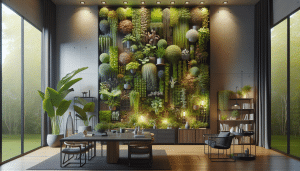
Vertical gardening is gaining popularity due to its remarkable ability to maximize growing space. Instead of sprawling across counters or floors, plants are stacked or hung on walls, shelves, or dedicated frames. Innovative vertical garden kits combine built-in irrigation and lighting, making maintenance simple, even for busy lifestyles. These systems are especially useful in homes or apartments where outdoor gardens might be impossible. They add living beauty to blank walls while delivering fresh herbs or even small vegetables directly at arm’s reach https://edis.ifas.ufl.edu/publication/EP510.
Modular panels, pocket planters, and trellises allow you to design a vertical garden that suits your taste and needs. In kitchens, hanging herb walls keep fresh ingredients close at hand. In living rooms, lush green walls become conversation pieces. Even bathrooms can benefit from moisture-loving plants cascading down a trellis. Styles range from simple felt pockets to artistic, fully automated living walls. Plants like pothos, ferns, and herbs love vertical setups, adapting well to limited root space and indirect light.
Vertical gardens require less floor maintenance and simplify plant care routines. By elevating greenery, you avoid pests and reduce the risk of overwatering. Drip irrigation and self-watering reservoirs support busy schedules, allowing consistent moisture levels without daily attention. Cleaning is a breeze, too—many wall planters are easy to detach and rinse. Whether aiming for lush living art or practical food production, vertical gardens offer endless customization. They embody both form and function for today’s indoor spaces.
Automating Your Indoor Garden for Effortless Care
Automated indoor garden systems are making it easier than ever to keep plants healthy with minimal manual effort. These smart devices feature integrated watering, light sensors, and temperature controls to deliver optimal conditions around the clock. Many models connect to smartphone apps, offering real-time updates and care reminders. Technologies like hydroponic germination pods or self-watering reservoirs help close the gap for beginners or anyone who travels frequently. Automation ensures you’ll never forget to water your basil or parsley again https://extension.psu.edu/automated-plant-care-for-houseplants.
Self-regulating gardens offer peace of mind, especially for rare or high-maintenance plants. Light cycles mimic the sun’s daily pattern, while fans and humidity monitors keep the air healthy for growth. Many kits support seed-to-harvest cycles for greens and herbs, making indoor gardening practical and rewarding. By leveraging technology, you can experiment with a wider variety of plants, from kale to strawberries—without worrying about complex care routines. For people with mobility or accessibility challenges, automation brings gardening well within reach.
Smart irrigation and adaptive lighting aren’t just about convenience. They help reduce water waste and energy consumption. Automated gardens can react to real-time weather, adjusting light levels or watering schedules based on external conditions. The result is consistent harvests and healthier plants with significantly less resource use. These sustainable approaches align with broader trends in home energy efficiency and eco-conscious living. For many, smart gardens become educational platforms, teaching about plant biology, environmental stewardship, and the value of resource conservation right at home.
Creative Ways to Save Space Indoors
For many gardening enthusiasts, space constraints present a real challenge. Clever use of shelves, hanging baskets, window ledges, and even underutilized ceiling areas can transform overlooked spots into lush micro-gardens. Stackable plant towers or rolling carts allow flexibility, so your garden follows the sun as seasons change. Mounted racks and rail planters open new frontiers for growing herbs, succulents, or flowers without sacrificing valuable living space. These solutions seamlessly blend into busy homes, making indoor gardening accessible for everyone https://www.nifa.usda.gov/indoor-gardening-space-saving.
Many urban gardeners experiment with compact hydroponic kits, which can produce abundant greens with minimal soil and water. Hydroponics eliminates the need for heavy pots or frequent repotting, further optimizing space and resources. Consider narrow, wall-mounted shelves for trailing plants like ivy or spider plants, which create dramatic visual effects with minimal clutter. These setups also keep fragile plants out of reach from pets or children. For small apartments, mobile planter islands or multi-tier stands deliver big rewards in limited square footage.
Other space-saving ideas include window-facing vertical racks or stylized glass terrariums that fit on desks and coffee tables. These displays serve as both décor and air purifiers, contributing to overall well-being. Combining different planter types—for example, blending a vertical wall with a rolling herb cart—expands your options for healthy, adaptive gardens in any setup. With the right design approach and regular care, even the smallest corner can become a green sanctuary indoors.
Plant Selection and Care Tips for Indoors
Choosing the right plants is crucial to indoor gardening success. Some varieties naturally adapt to lower light or drier air found inside most homes. Classic choices include snake plants, ZZ plants, and philodendrons, all renowned for resilience. If aiming for kitchen use, herbs like basil, parsley, and mint excel indoors, especially when using hydroponic systems or smart soil blends. Flowering options such as African violets or anthuriums add color and charm without demanding too much attention https://extension.umn.edu/houseplants/growing-houseplants-indoors.
Regular maintenance includes dusting leaves, rotating pots for even growth, and checking for pests like mites or fungus gnats. Most houseplants benefit from weekly watering and monthly feeding with liquid plant food, though schedules vary by species and environment. Avoid overwatering—a common problem in closed spaces—by using moisture meters or self-watering pots. Smart gardening apps can track each plant’s unique needs, sending reminders and troubleshooting tips as needed.
Plant health isn’t only about water and sunlight. Indoor environments often require attention to humidity and air circulation. Opening windows when possible, using pebble trays, or investing in small fans can make a big difference. Remember to prune faded blooms or dead leaves to prevent disease spread. With thoughtful care, plants can thrive indoors for years, rewarding their caretakers with beauty, fresh scents, and even homegrown harvests.
Eco-Friendly Practices That Boost Sustainability
Eco-conscious indoor gardeners can make a positive environmental impact. Using organic soils and natural fertilizers reduces chemical runoff. Repurposing old jars, cans, or plastic bottles into creative planters minimizes waste. Rainwater harvesting, even on a small scale using indoor barrels or trays, lessens dependence on municipal water. LED grow lights, chosen for energy efficiency, further reduce your garden’s footprint. All these strategies contribute to greener homes while saving on bills and resources https://www.energy.gov/energysaver/indoor-gardening-and-energy-conservation.
Composting kitchen scraps for use in indoor gardens is both simple and effective. Small worm bins fit in cupboards or under sinks, turning waste into nutrient-rich compost. Upcycled materials can often outperform store-bought pots, adding personality to your setup. Even as your plants remove carbon dioxide from indoor air, your gardening practices may help shrink overall household waste and consumption. The cumulative benefit grows with each new green habit adopted.
Ultimately, every step toward sustainability supports a healthier lifestyle and environment. Teaching children eco-friendly gardening encourages lifelong stewardship. For adults, the balance of technology and nature provides both inspiration and responsibility. Combining indoor gardening with recycling, efficient resource use, and community knowledge-sharing sets a positive example across generations. What starts with one houseplant can become a model for conscious, enjoyable living in any household.
References
1. Environmental Protection Agency. (n.d.). Indoor Plants and Indoor Air Quality. Retrieved from https://www.epa.gov/indoor-air-quality-iaq/indoor-plants-and-air-quality
2. University of Florida IFAS Extension. (2020). Vertical Gardening for Small Spaces. Retrieved from https://edis.ifas.ufl.edu/publication/EP510
3. Penn State Extension. (2023). Automated Plant Care for Houseplants. Retrieved from https://extension.psu.edu/automated-plant-care-for-houseplants
4. National Institute of Food and Agriculture. (n.d.). Indoor Gardening and Space Saving Solutions. Retrieved from https://www.nifa.usda.gov/indoor-gardening-space-saving
5. University of Minnesota Extension. (n.d.). Growing Houseplants Indoors. Retrieved from https://extension.umn.edu/houseplants/growing-houseplants-indoors
6. U.S. Department of Energy. (n.d.). Indoor Gardening and Energy Conservation. Retrieved from https://www.energy.gov/energysaver/indoor-gardening-and-energy-conservation

 Unveiling the Secrets Behind Glowing Skin