Nutrition Habits That Support Brain Performance
Emily Ward September 25, 2025
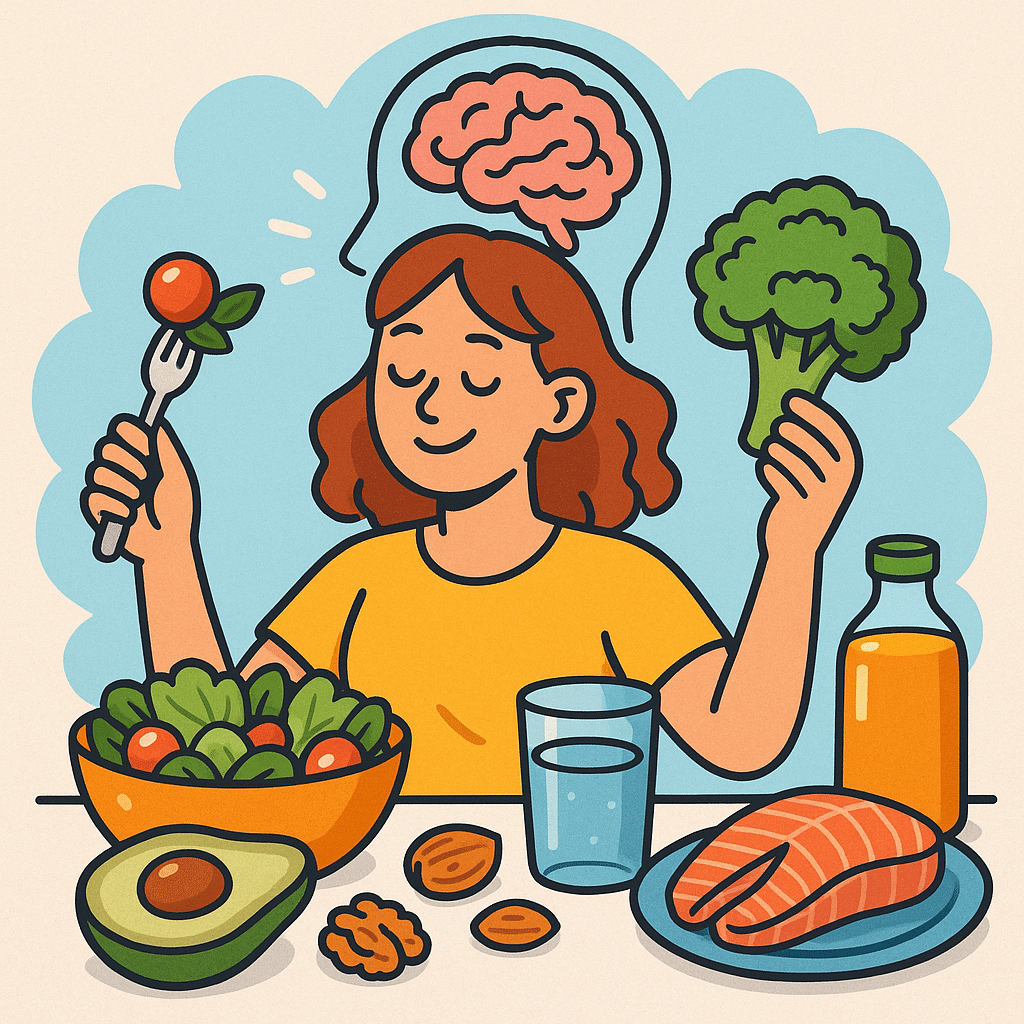
Nutrition habits that support brain performance are becoming a top focus in 2025, as new research links diet to sharper thinking, better memory, and long-term cognitive health. With the rise of “neuro-nutrition,” people are rethinking their daily food choices for mental power.
Why Brain Nutrition Matters Now More Than Ever
The global conversation around mental health, productivity, and aging has brought brain performance to the center of wellness trends. Unlike past diet fads focused solely on weight loss, neuro-nutrition emphasizes foods and supplements that fuel concentration, creativity, and memory.
Tech leaders, students, and even older adults are seeking nutrition strategies to optimize performance, prevent brain fog, and reduce the risks of conditions such as dementia and Alzheimer’s disease. According to the Alzheimer’s Association, nearly 50 million people worldwide live with dementia, a figure expected to triple by 2050 if preventive steps aren’t taken (Alzheimer’s Association 2023).
The Science Behind Brain-Boosting Foods
Your brain is a high-energy organ, consuming about 20% of the body’s calories. That means it requires constant nourishment from the right nutrients. Research shows that omega-3 fatty acids, antioxidants, and certain vitamins play key roles in preserving neuron function and communication (Harvard Health Publishing 2021).
Some foods even show measurable effects on brain activity. For instance, a study published in Nature Reviews Neuroscience found that diets rich in polyphenols—like those in blueberries, green tea, and dark chocolate—improve blood flow to the brain and enhance memory performance (Gómez-Pinilla 2008).
Key Nutrition Habits That Support Brain Performance
1. Prioritize Omega-3 Fatty Acids
Omega-3s, found in fatty fish like salmon, mackerel, and sardines, are critical for maintaining flexible cell membranes in the brain. Supplementation has been linked to improved memory and slower cognitive decline (Gómez-Pinilla 2008).
Practical habit:
- Include fatty fish twice a week.
- Plant-based eaters can get omega-3s from chia seeds, flaxseed, and algae-based supplements.
2. Adopt the MIND Diet
The MIND diet—a hybrid of the Mediterranean and DASH diets—has been shown to reduce Alzheimer’s risk by up to 53% for those who follow it strictly (Morris et al. 2015).
Core principles include:
- Daily intake of leafy greens and berries.
- Whole grains, nuts, and olive oil as staples.
- Limiting red meat, butter, and sweets.
This structured approach makes brain-friendly eating both practical and evidence-based.
3. Don’t Skip Antioxidant-Rich Foods
Oxidative stress damages neurons over time. Foods high in antioxidants—such as blueberries, kale, and turmeric—help protect brain tissue. Curcumin, the active compound in turmeric, has been shown to cross the blood-brain barrier and may lower inflammation in the brain (Small et al. 2018).
Tip: Pair turmeric with black pepper to enhance absorption.
4. Support the Gut-Brain Connection
Emerging research highlights the gut microbiome as a key regulator of mental clarity and mood. Probiotic foods like yogurt, kefir, kimchi, and sauerkraut improve gut diversity, which in turn influences neurotransmitter production (Cryan et al. 2019).
Daily habit: Add one serving of probiotic-rich food and pair it with prebiotic fibers (bananas, oats, onions).
5. Stay Hydrated for Mental Clarity
Even mild dehydration can impair short-term memory and attention. A 2020 study found that a 1-2% decrease in body water levels reduces cognitive performance, especially in older adults (Popkin, D’Anci and Rosenberg 2010).
Quick fix: Aim for 8 glasses of water daily, and balance with electrolytes if exercising heavily.
6. Time Your Meals for Peak Brain Power
Intermittent fasting and time-restricted eating are gaining traction as tools not only for weight control but also for improving focus and reducing brain fog. Some studies suggest fasting triggers production of brain-derived neurotrophic factor (BDNF), which supports neuron growth (Mattson et al. 2018).
Practical approach: Try a 12:12 fasting schedule (12 hours eating, 12 hours fasting) before moving to longer fasting windows if suitable.
7. Smart Caffeine and L-Theanine Pairing
Caffeine improves alertness but often leads to jitters. When combined with L-theanine, an amino acid found in green tea, it produces a smoother focus effect. This is why matcha tea has become a trendy alternative to coffee among entrepreneurs and students.
Habit: Replace your second coffee with matcha to avoid energy crashes.
8. Supplement Wisely
While food should be the primary source of nutrition, certain supplements are backed by research:
- Vitamin D for mood regulation.
- Magnesium for stress management.
- B vitamins for neurotransmitter synthesis.
Consult a healthcare provider before adding supplements, especially if you’re already on medication.
Practical Daily Routine for Brain Nutrition
Here’s an example of how to integrate these habits into a single day:
Breakfast: A hearty bowl of oatmeal topped with blueberries, flaxseeds, and a spoonful of yogurt. The oats give steady energy, berries provide antioxidants, flaxseeds add omega-3s, and yogurt supports gut health.
Morning Snack: A handful of walnuts with a cup of green tea. The nuts supply healthy fats for memory and focus, while green tea offers caffeine and calming L-theanine for balanced alertness.
Lunch: Grilled salmon served with quinoa and sautéed spinach. This combination delivers protein, iron, folate, and omega-3s to keep both body and mind sharp.
Afternoon Snack: Apple slices dipped in almond butter. The fruit gives natural sweetness and fiber, while almond butter adds vitamin E, a nutrient tied to brain protection.
Dinner: A bowl of lentil soup seasoned with turmeric, garlic, and finished with olive oil. This mix provides plant protein, anti-inflammatory compounds, and heart-healthy fats.
Evening: Wind down with a calming herbal tea such as chamomile or rooibos. Then allow your body and brain to reset with an overnight fast until breakfast.
The Future of Neuro-Nutrition: Where Science is Heading
As brain health gains priority, scientists are exploring personalized nutrition—using genetic and microbiome testing to recommend individualized diets. AI-driven diet apps are already helping users track nutrient intake for cognitive health, while biotech startups are developing “brain performance supplements” with precise dosages of polyphenols and amino acids.
Expect this field to expand rapidly in the next five years, driven by aging populations and rising workplace demands for focus and creativity.
Conclusion
Nutrition habits that support brain performance are no longer fringe—they’re mainstream. By adopting omega-3-rich diets, antioxidant-packed meals, and gut-friendly foods, individuals can actively shape their mental sharpness, memory, and long-term brain health. The key is consistency: small, daily nutrition choices compound into lifelong cognitive resilience.
References
- Gómez-Pinilla, F. (2008) ‘Brain foods: the effects of nutrients on brain function’, Nature Reviews Neuroscience, 9(7), pp. 568–578. Available at: https://doi.org (Accessed: 25 September 2025).
- Harvard Health Publishing (2019) Foods linked to better brainpower. Harvard Medical School. Available at: https://www.health.harvard.edur (Accessed: 25 September 2025).
- National Institute on Aging (2020) Cognitive health and older adults. U.S. Department of Health & Human Services. Available at: https://www.nia.nih.gov (Accessed: 25 September 2025).

 Travel Experiences That Highlight Local Culture