Nutrition Practices That Improve Daily Energy
Emily Ward September 25, 2025
Feeling drained before noon? You’re not alone. Millions are searching for nutrition practices that improve daily energy without relying on endless coffee refills or sugary snacks. The latest science and food innovations show that what you eat—and how you eat—can dramatically shift your energy levels throughout the day.
Why Daily Energy Depends on Nutrition
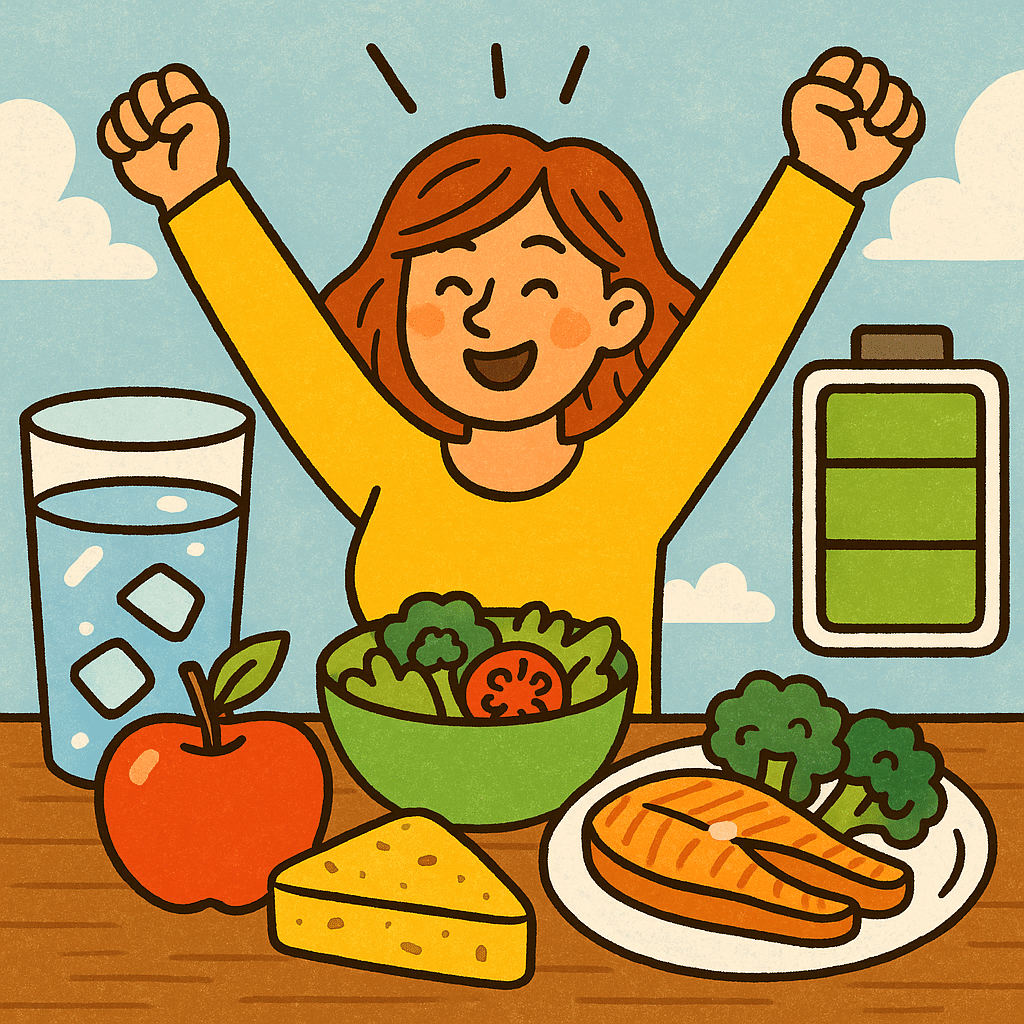
Energy is more than just calories—it’s about how efficiently your body converts food into usable fuel. Poor dietary choices, unstable blood sugar, and nutrient deficiencies all contribute to fatigue. Researchers have shown that diets rich in whole foods, fiber, and balanced macronutrients promote better energy stability compared to highly processed diets (Gonzalez & Betts 2019).
Emerging Nutrition Trends That Boost Energy
1. Personalized Nutrition Through Continuous Glucose Monitoring
In 2025, wearable glucose monitors are no longer just for diabetics. Wellness enthusiasts are using them to track how different meals affect their energy. Studies confirm that glucose spikes followed by rapid drops are a key driver of afternoon fatigue (Hall et al. 2022).
Practical Tip: Pair carbs with protein and fat—for example, swap plain toast for avocado toast with eggs—to flatten glucose spikes and avoid mid-day crashes.
2. Protein Timing for Steady Energy
Protein isn’t just for gym-goers. Consuming moderate protein throughout the day (rather than loading it all at dinner) helps stabilize energy and improves mental focus. Research shows that 20–30 grams of protein per meal can balance blood sugar and reduce tiredness (Pasiakos et al. 2015).
Easy Application: Add Greek yogurt at breakfast, a lentil salad for lunch, and salmon at dinner.
3. The Rise of Functional Beverages
Forget soda. Functional drinks infused with adaptogens, electrolytes, and natural nootropics are surging in popularity. Brands are marketing mushroom-based coffee alternatives and matcha blends that claim smoother energy without the caffeine jitters. Some early trials suggest that adaptogens like Rhodiola Rosea can reduce fatigue and improve cognitive performance (Panossian & Wikman 2010).
4. Magnesium-Rich Foods for Cellular Energy
Magnesium is essential for ATP production—the actual “currency” of energy in the body. Yet nearly half of U.S. adults don’t get enough (Workinger et al. 2018). Low magnesium can lead to fatigue, irritability, and even poor sleep, all of which sabotage energy.
Food Sources: Pumpkin seeds, spinach, dark chocolate, and almonds.
5. Smart Hydration With Electrolytes
Mild dehydration—just 1–2% loss of body weight in water—can impair mood, focus, and energy (Popkin, D’Anci & Rosenberg 2010). Today’s trend isn’t plain water but electrolyte-enhanced hydration. Low-sugar electrolyte powders are marketed as daily energy hacks, particularly for those who sweat a lot or drink high amounts of caffeine.
6. Gut Health and Energy Connection
The microbiome isn’t just about digestion—it influences energy, inflammation, and even brain function. Recent research links gut imbalance to chronic fatigue and low vitality (O’Mahony et al. 2015).
Emerging Practice: Fermented foods like kefir, kimchi, and sauerkraut, along with prebiotic fibers from onions and bananas, are being used strategically to support daily energy through gut health.
7. Circadian Nutrition and Meal Timing
Energy isn’t only about what you eat but when. Eating heavy meals late at night can disrupt circadian rhythms, leading to sluggish mornings. Chrononutrition studies suggest aligning meals with daylight hours supports metabolic efficiency and energy (Johnston 2014).
Tip: Make breakfast and lunch nutrient-dense, while keeping dinner lighter to improve next-day energy.
Daily Energy Nutrition Practices: A Step-By-Step Guide
Start your day with protein + fiber
Go for eggs with vegetables, Greek yogurt with berries, or a smoothie with chia seeds. This combo stabilizes blood sugar and keeps you full.
Hydrate early with electrolytes
A glass of water with a pinch of sea salt, coconut water, or a clean electrolyte mix recharges minerals lost overnight and wakes up your system.
Mid-morning snack
A small handful of almonds plus dark chocolate (70% cacao) adds magnesium, healthy fats, and a gentle mood lift—perfect for avoiding the crash.
Lunch strategy
Pair slow carbs with lean protein, like quinoa with salmon or chicken. This fuels the afternoon without leaving you drowsy.
Afternoon pick-me-up
Swap coffee for match a or mushroom-based drinks. They give smoother energy and focus, without the jitters or evening crash.
Dinner light and early
Opt for grilled fish, leafy greens, and olive oil. Skip heavy starches late at night for better digestion and sleep.
Fermented add-ons
Kimchi, sauerkraut, or kefir once a day supports gut health. A healthier gut means better energy and nutrient absorption.
Common Mistakes That Drain Energy
Relying on sugar and caffeine alone → Quick highs followed by hard crashes. It keeps you in a loop of needing more instead of building steady focus.
Skipping meals → When your body runs on empty, blood sugar dips. That means less concentration, more irritability, and sudden fatigue.
Low-quality snacks (chips, cookies) → Processed foods digest fast but give little lasting fuel. They often leave you sluggish and craving more junk.
Late-night heavy eating → Eating big before bed forces your body to keep working when it should be resting. The result: poor sleep and low energy the next morning.
Final Thoughts
The search for nutrition practices that improve daily energy is shifting from quick fixes to strategies grounded in science and sustainability. Tools like glucose monitoring, functional beverages, and circadian-aware eating are helping people tailor their diets in ways that feel both practical and effective.
Energy isn’t about relying on a single “superfood” or another cup of coffee. It’s built through steady habits—balanced meals, smart hydration, and eating patterns that work with your body’s natural rhythms.
By 2025, the trend won’t be about chasing more caffeine or the latest fad. The focus will be on smarter nutrition—approaches that blend technology, biology, and mindful eating to fuel both body and brain consistently.
References
- Harvard T.H. Chan School of Public Health. (2021) The Nutrition Source: Healthy Eating for Energy. Available at: https://www.hsph.harvard.edu (Accessed: 25 September 2025).
- National Institutes of Health (NIH). (2022) Carbohydrates and Energy. Available at: https://www.nhlbi.nih.gov (Accessed: 25 September 2025).
- Academy of Nutrition and Dietetics. (2023) How Food Affects Energy Levels. Available at: https://www.eatright.org/ (Accessed: 25 September 2025).

 Travel Experiences That Promote Cultural Awareness