Fitness Routines That Are Easy to Follow at Home
Emily Ward September 25, 2025
Fitness routines that are easy to follow at home have become one of the biggest wellness trends in 2025. With simple yet effective approaches like micro-workouts, functional training, and hybrid digital classes, staying fit from the comfort of your living room has never been more accessible—or effective.
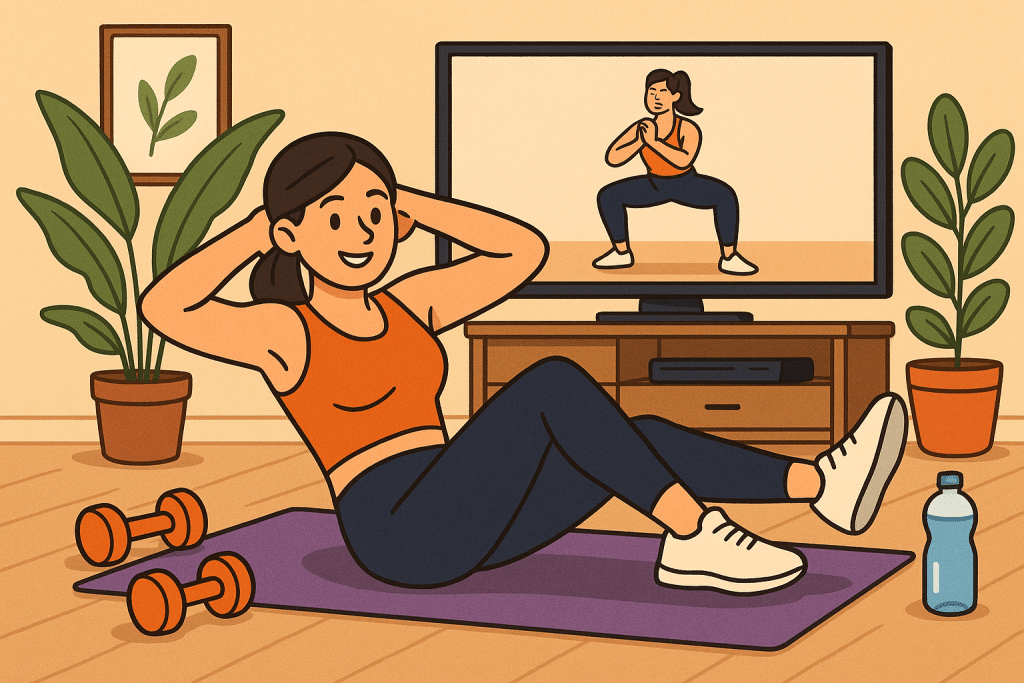
Why Home Workouts Remain Popular in 2025
Over the past five years, home fitness has shifted from a temporary pandemic solution to a long-term lifestyle. A report by McKinsey highlights that the global home fitness market continues to grow steadily, with consumers prioritizing flexibility, cost savings, and convenience (McKinsey 2023).
Key Reasons People Stick to At-Home Fitness:
- Time savings – No commute to the gym.
- Lower cost – Avoiding pricey memberships.
- Flexibility – Train anytime, without schedule conflicts.
- Privacy – Perfect for beginners or those who feel self-conscious.
Hot Trend #1: Micro-Workouts for Busy Lifestyles
Micro-workouts—short sessions lasting 5 to 15 minutes—are dominating the home fitness landscape. They’re quick, practical, and surprisingly effective. Studies show that high-intensity micro-sessions can provide similar cardiovascular and metabolic benefits as longer workouts (Gillen and Gibala 2014). For anyone with a packed schedule, this makes fitness more realistic and less intimidating.
The beauty of micro-workouts is how easily they fit into daily life. You can do a round during a coffee break, between meetings, or while dinner is in the oven. They also work without fancy gear—your bodyweight is usually enough.
Example Routine:
- 20 seconds jumping jacks
- 20 seconds squats
- 20 seconds push-ups
- Rest 30 seconds, repeat 4 times
Even short bursts like this can boost energy and focus. Swap in other moves—like mountain climbers, planks, or lunges—if you want variety.nt.
Hot Trend #2: Functional Fitness at Home
Functional training—movements that mirror everyday activities—has become one of the most practical ways to build strength and mobility. According to the American Council on Exercise, it improves posture, balance, and long-term health outcomes (ACE 2023).
The appeal is simple: it prepares your body for real life. Carrying groceries, climbing stairs, or lifting a heavy box all feel easier when your muscles are trained for those exact motions. It’s not just about fitness goals but moving with more confidence in daily life.
Quick At-Home Functional Circuit:
- Squats – mimic sitting and standing, strengthening your legs and hips.
- Push-ups – build upper-body strength for everyday pushing tasks.
- Lunges – improve balance and simulate climbing stairs.
- Deadlifts with water bottles – train safe lifting techniques.
This style of training doesn’t require much space or equipment, which makes it perfect for small apartments or busy schedules. Do two rounds of the circuit, and you’ll be working muscles that matter most in day-to-day living.
Hot Trend #3: Digital Hybrid Fitness Classes
While Peloton and other platforms surged during 2020, hybrid models—mixing on-demand workouts with live coaching—are the future. Platforms like Apple Fitness+ and FitOn are adding personalized guidance with AI tracking.
Why It Works:
- Motivation from real-time instructors
- Flexibility of on-demand classes
- Data-driven feedback through wearables
A survey from Statista found that 41% of people now prefer digital or hybrid fitness classes over traditional gyms (Statista 2024).
Hot Trend #4: Bodyweight and Minimal Equipment Routines
Minimalist fitness is everywhere right now. You don’t need a gym membership or a room full of machines. A yoga mat, resistance bands, or just your body weight can do the job. Research shows bodyweight workouts improve strength and endurance, especially for beginners (Calatayud et al. 2015). They’re flexible too—you can squeeze them in at home, at the park, or even on a lunch break.
Here’s a quick no-equipment plan that hits several muscle groups at once:
Beginner-Friendly No-Equipment Plan
- Plank (30–60 seconds): Builds a strong core.
- Glute bridges (15 reps): Targets glutes and hamstrings.
- Wall sit (45 seconds): Burns out the quads.
- Mountain climbers (20 reps): Adds cardio and works shoulders.
Repeat the circuit 2–3 times if you’re up for it. As you get stronger, increase the hold times, add reps, or mix in simple gear like resistance bands for extra challenge.
Hot Trend #5: Mind-Body Fitness Integration
Workouts that combine strength and mindfulness—like yoga, Pilates, and tai chi—are gaining traction. In 2025, many platforms are bundling meditation with HIIT, giving people both physical and mental benefits.
Why It Matters:
A Harvard study shows that mind-body practices reduce stress while enhancing physical resilience (Harvard Health 2022).
Practical Tips for Building Your Own At-Home Routine
1. Choose Your Core Focus
- Strength → Bodyweight or dumbbells
- Cardio → HIIT or dance workouts
- Mobility → Yoga or Pilates
2. Set Realistic Goals
Start with 10–15 minutes daily and increase gradually.
3. Use Technology to Stay Accountable
Track your progress with free apps like MyFitnessPal, Nike Training Club, or smartwatches.
4. Mix It Up to Stay Motivated
Alternate between micro-workouts, yoga sessions, and strength training. Variety keeps boredom away.
5. Don’t Skip Recovery
Stretching, foam rolling, and sleep are just as important as the workout itself.
Sample Weekly Plan: Fitness Routines That Are Easy to Follow at Home
Here’s a balanced 7-day plan anyone can start today.
Day 1: 15-min HIIT micro-workout
Day 2: Functional strength training (squats, lunges, push-ups)
Day 3: Yoga for mobility
Day 4: Cardio dance class online (20 minutes)
Day 5: Strength with resistance bands
Day 6: Mind-body fusion (Pilates + meditation)
Day 7: Rest or light stretching
Why Home Fitness is Here to Stay
Home fitness isn’t just a pandemic fad—it’s now part of everyday life. People love the convenience of skipping the commute to the gym and fitting workouts around busy schedules. With smart apps, connected equipment, and wearables that track every rep, workouts feel personal and motivating at home. Add in the savings on memberships and transport, and it’s clear why experts expect the industry to keep growing through 2030 (PwC 2023).
References
- Harvard Health Publishing. (2021) Exercising at home: 10 moves you can do without equipment. Harvard Medical School. Available at: https://www.health.harvard.edu(Accessed: 25 September 2025).
- Centers for Disease Control and Prevention (CDC). (2022) Home-based physical activity and exercise. CDC. Available at: https://www.cdc.gov/ (Accessed: 25 September 2025).
- Mayo Clinic Staff. (2023) Fitness tips: Stay fit at home. Mayo Clinic. Available at: https://www.mayoclinic.org (Accessed: 25 September 2025).

 Interior Organization Tips That Save Time