Simple Ways You Can Upgrade a Small Garden
Thomas Blake September 24, 2025
Unlock practical tips to transform any small garden space, blending vertical gardening, container planting, and sustainable practices. This guide highlights simple upgrades that make a big visual impact while offering ideas for beginners and seasoned gardeners alike. Start reimagining what’s possible right outside your door.
Maximizing Every Inch with Vertical Gardening
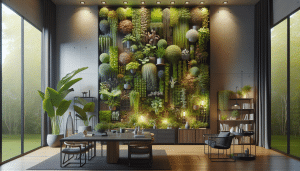
Vertical gardening makes a transformative difference in small spaces. There’s no need for sprawling acreage; a simple wall, balcony, or fence becomes a living backdrop. Plants like herbs, ferns, and trailing flowers flourish in vertical planters, pocket systems, or trellises, maximizing every inch of your garden’s footprint. Use modular vertical garden kits or even upcycled materials, such as old pallets, to create green walls that draw the eye upward and instantly expand the feel of your garden. Vertical gardens are also practical for improving air circulation and reducing the risk of soil-borne diseases, since many plants are elevated away from moist ground conditions (https://www.rhs.org.uk/advice/profile?pid=972).
Many gardeners appreciate how vertical design accommodates climbing vegetables—like tomatoes, peas, and beans—or even fruit vines when planned well. This approach not only provides much-needed growing space, it also adds structural interest to your outdoor retreat. For maximum health and beauty, select vertical planters based on light availability and moisture needs. Mount sun-loving succulents in full exposure, while tucking ferns or moss into shady corners to balance the microclimate. Try intermixing edible and ornamental selections for practical appeal all season long.
Carefully consider irrigation: vertical systems may dry out faster than ground beds. Drip irrigation kits designed for vertical gardens, or regular misting, help preserve soil moisture. Regularly prune and monitor for pests or fungal problems, as airflow variations are common on upright installations. By routinely refreshing plant varieties, each season offers new visual interest and extended harvests. Small gardens become focal points for both beauty and productivity—proving that limited space is no barrier to lush, thriving greenery.
Container Gardening Strategies for Any Patio
Container gardening is both flexible and creative, making it ideal for balconies, patios, or small urban yards. Choose containers in a variety of shapes and sizes—think window boxes, hanging baskets, or large decorative pots—to suit your space and aesthetic. Modern containers crafted from lightweight materials like resin or recycled plastic make reconfiguring layouts easy. With each move, you refresh your outdoor space’s look, and experimentation becomes part of your annual routine, benefiting beginner and experienced gardeners alike (https://edis.ifas.ufl.edu/publication/MG243).
One key advantage of container planting is full control over soil quality and drainage—perfect for challenging urban soils. Amend each batch of potting mix with slow-release organic fertilizer to support sustained growth and vibrant flowers. If pests or diseases strike, containers help isolate problems and simplify treatment, reducing the risk of garden-wide outbreaks. Popular choices for compact containers include salad greens, seasonal annuals, compact patio tomatoes, and fragrant herbs like basil, mint, or chives, which provide quick and delicious harvests right outside the door.
For best results, always match plant choices to specific container size and sun exposure. Shade-loving plants, such as impatiens or hostas, thrive on north-facing balconies, while sun-loving zinnias and peppers flourish outdoors. Regular watering is essential—especially during periods of intense heat—since pots dry out more quickly than standard beds. Adding mulch or moisture-retentive crystals can help prolong intervals between watering. With careful placement and routine maintenance, container gardens offer lasting rewards and year-round interest.
Creative Plant Pairings for Texture and Color
Pairing plants with varied textures and colors allows any garden to feel lush and curated, regardless of size. Start with a backbone of evergreen foliage—such as dwarf conifers or compact grasses—then layer in annuals, perennials, or bulb flowers chosen for their contrasting shapes, hues, and bloom times. The interplay between spiky, rounded, or trailing foliage creates the illusion of abundance, even in small plots. Gardeners can use colorful foliage—like heuchera, coleus, or caladium—to maintain interest when seasonal flowers fade (https://www.bbg.org/gardening/article/design_your_garden_with_color).
Consider color theory: pairing cool and warm tones adds vibrancy, while repeating colors in different forms creates cohesion. Group purple salvia with golden lantana for a striking effect, or mix pastel pinks and blues for a calming, cottage-inspired palette. Blooms with long-lasting flowers—such as petunias, marigolds, or begonias—extend the display from early spring into fall. By changing plant groupings each year, small garden schemes remain fresh and responsive to evolving tastes and climate shifts.
For more structure, integrate structural elements such as decorative rocks, small fountains, or reflective garden mirrors. These not only complement varied foliage but also help amplify natural light and perspective, making intimate spaces feel larger. Smart garden design is rooted in both function and fun—a willingness to mix new combinations until you find the look that brings daily joy. Keep experimenting, and let each season guide new discoveries.
Sustainable Practices for Small Scale Spaces
Sustainability is central to modern gardening, especially when resources and space are limited. Implementing compost bins, rainwater collection, and organic pest control methods makes a real impact. Compost improves soil fertility and structure, supporting strong plant growth with minimal need for synthetic fertilizers. Small space gardeners sometimes incorporate kitchen scrap composters or compact tumbling bins that work even on balconies or patios. Rain barrels or small water butts can collect and store rainwater for using during dry spells, cutting down on utility costs and reducing environmental impact (https://www.epa.gov/recycle/composting-home).
Organic pest control techniques are valued for their safety and effectiveness. Companion planting—such as pairing marigolds with vegetables—naturally deters unwelcome insects. Introducing beneficial species (like ladybugs or lacewings) further controls aphids and plant pests without the need for synthetic chemicals. Regular monitoring and interplanting diverse crops limit the spread of disease and minimize the risk of total crop failure in compact gardens. By using these thoughtful approaches, gardeners protect their health and local ecosystems.
Incorporating native plant species supports pollinators and biodiversity. Many native flowers and shrubs thrive with less fertilizer or water, making them ideal for sustainable small garden design. Research local plant lists or consult your area’s native plant society for guidance on the best choices. Cutting down on lawn space further supports sustainable gardening—replacing turf with mixed plant beds or groundcovers adds texture while reducing the need for mowing and lawn chemicals. These small changes add up, making a tangible difference for the environment and garden health.
Optimizing Light and Microclimates for Growth
Light planning is often overlooked but is vital to successful small garden design. Observing how the sun moves through your space at different times helps identify areas with full sun, partial shade, or deep shade. Grouping plants with similar light demands ensures lush growth and minimizes disappointment. For very shady courtyards or balconies, shade plants like astilbe, lamium, or hosta bring beauty to spaces that sun-lovers can’t fill. In full-sun courtyards, herbs and drought-tolerant perennials are sturdy and reliable (https://hgic.clemson.edu/factsheet/urban-garden-series-vegetable-garden-planning-for-beginners/).
Microclimates—tiny weather zones within your garden—are shaped by walls, trees, fences, and hardscaping. Sheltered corners retain heat, so Mediterranean herbs or tomatoes thrive there. Windy or exposed areas may suit drought-resistant plants and tough shrubs. Even small shifts in sunlight, wind, and moisture levels can determine plant health, especially when space is tight. Observe carefully, experiment season by season, and make gradual adjustments as you learn what works best in each niche.
Over time, you may want to experiment with movable elements to adapt to changing light and microclimates. Use rolling plant stands, lightweight containers, or even portable trellises. This flexibility allows rapid improvement as your needs change or as you discover new favorite plants. Smart light planning and attention to microclimates help even first-time gardeners succeed with limited square footage.
Low-Maintenance Design for Lasting Enjoyment
Designing for low maintenance is especially important for busy households or those new to gardening. The key? Choose hardy perennial plants and drought-tolerant groundcovers to reduce watering and upkeep. Mulching with bark, gravel, or organic matter improves soil, prevents weeds, and locks in moisture so garden beds need less attention. Drip irrigation systems or self-watering planters simplify care, freeing up weekends for relaxation and enjoyment rather than chores (https://extension.umn.edu/lawn-care/low-maintenance-landscaping).
Low-maintenance plant choices—like Russian sage, sedum, or ornamental grasses—bring interest and structure year-round, with minimal hands-on care. Incorporate a mix of evergreen shrubs for winter interest and long-blooming perennials for color in spring and summer. Strategically placed stepping stones or gravel paths reduce the need for mowing and maintain easy, clean access to all areas. Simplicity in garden design leads to a longer-lasting, enjoyable outdoor space.
Think carefully about the time commitment you want and design accordingly. Even small gardens can quickly become overwhelming if goals are too ambitious. Scale back where needed: focus on a few standout features instead of filling every inch. Routine, easy tasks—such as deadheading spent blooms or wiping dust from foliage—are often all that’s needed in a well-designed, low-maintenance garden. The payoff? A welcoming retreat that remains vibrant with very little effort.
References
1. Royal Horticultural Society. (n.d.). Vertical gardening. Retrieved from https://www.rhs.org.uk/advice/profile?pid=972
2. University of Florida IFAS Extension. (2021). Container Gardening. Retrieved from https://edis.ifas.ufl.edu/publication/MG243
3. Brooklyn Botanic Garden. (n.d.). Design Your Garden with Color. Retrieved from https://www.bbg.org/gardening/article/design_your_garden_with_color
4. U.S. Environmental Protection Agency. (2022). Composting at Home. Retrieved from https://www.epa.gov/recycle/composting-home
5. Clemson Cooperative Extension. (n.d.). Vegetable Garden Planning for Beginners. Retrieved from https://hgic.clemson.edu/factsheet/urban-garden-series-vegetable-garden-planning-for-beginners/
6. University of Minnesota Extension. (n.d.). Low Maintenance Landscaping. Retrieved from https://extension.umn.edu/lawn-care/low-maintenance-landscaping

 Unlocking the Power of Early Childhood Education