Secrets You Might Miss About Indoor Plants
Thomas Blake September 24, 2025
Curious about the buzz around indoor plants and how they transform any living space? This guide reveals how you can improve air quality and create calming, stylish rooms by choosing and caring for the right houseplants, no green thumb required.
Understanding the Appeal of Indoor Plants
Indoor plants have become more than just a trend; they’re a lifestyle upgrade for many. Bringing a bit of nature indoors not only changes the aesthetics of a room but also influences how the space feels and functions. A touch of greenery can add life and texture to bare corners and enliven entire rooms in ways that artificial décor never can. People are often drawn to houseplants for their visual appeal, but soon discover there’s much more to appreciate. The popularity of indoor gardening seems to grow year after year, with new plant parents sharing stories of transformation online. What’s driving this surge in interest? For starters, houseplants offer an accessible entry point for anyone interested in gardening, regardless of outdoor space or gardening skill.
Another reason for the home gardening boom lies in the variety of options available. There are thousands of indoor plant species, from large leafy figs to dainty succulents and flowering orchids. Each type brings unique color, texture, and character to interior spaces. Plant displays often serve as focal points and conversation starters, inspiring curiosity about rare species or creative arrangements. The flexibility offered by plant containers—colorful pots, hanging baskets, terrariums—lets homeowners personalize their space with minimal investment. Indoor plants can also fit in nearly any environment: apartments, studios, spacious homes, and even offices. This adaptability makes them an easy choice for those looking to refresh their surroundings.
What many find most compelling is the connection to nature that indoor plants provide. In urban areas where access to green spaces can be limited, houseplants offer a daily link to the natural world. Studies highlight the psychological benefits of nature exposure, even in small doses, such as reduced anxiety and improved concentration (https://www.ncbi.nlm.nih.gov/pmc/articles/PMC4419447/). Tending to plants encourages gentle routines and mindful observation, which can be soothing for adults and engaging for children. In this way, the humble houseplant becomes both a design feature and a form of indoor therapy.
Air Quality and Health Perks You Might Not Expect
Many are surprised to learn that houseplants can play an important role in improving indoor air quality. While no single plant can scrub the air completely, research suggests that certain foliage, like snake plants or pothos, absorb toxins and release oxygen during photosynthesis. This process helps dilute airborne pollutants from household items and cleaning products, creating a fresher living environment (https://www.epa.gov/indoor-air-quality-iaq/inside-story-guide-indoor-air-quality). In fact, NASA’s famous clean air study revealed how common houseplants can reduce the presence of chemicals like formaldehyde and benzene—a potential benefit for any home.
Beyond filtering the air, indoor plants can help maintain humidity levels. This becomes especially useful during colder months, when heating systems dry out the air in homes. Peace lilies, ferns, and areca palms are known for their ability to release moisture through a process called transpiration. Stable humidity can support respiratory health, reduce static electricity, and even protect wood furniture from cracks. By grouping plants together or placing them near humidifiers, homeowners can build a microclimate that makes rooms more comfortable year-round.
The health benefits don’t stop at cleaner air. Regular exposure to greenery is linked to lower stress levels, faster recovery from illness, and enhanced mental well-being (https://www.apa.org/monitor/2020/04/nurtured-nature). Tasks such as watering, pruning, and rearranging pots add gentle activity to daily routines, offering physical benefits as well. Some studies suggest that people with houseplants report higher satisfaction with their indoor environments and better mood regulation throughout the day. It’s an investment in both atmosphere and health—subtle, yet powerful.
Choosing the Right Houseplants for Your Space
Finding the ideal houseplant depends on your unique space, lighting, and lifestyle. While lush monsteras and rubber plants might thrive in bright, roomy corners, low-light areas call for tough species like zz plants or sansevieria. Consulting care guides or local garden centers helps match plant needs with your indoor environment (https://extension.umn.edu/houseplants/choosing-houseplants). Consider how much time you can dedicate to watering, fertilizing, and pruning. Some varieties, like pothos or spider plants, are famously forgiving, making them superb choices for beginners. Others, like fiddle leaf figs, reward attention with dramatic growth but require careful monitoring of water and light.
Space is another crucial factor. Hanging plants or wall-mounted planters work well in areas with limited surface space. Small succulents are great for shelves or window ledges, while larger varieties such as peace lilies or palms can anchor empty corners. Plant stands and tiered displays add dimension to arrangements and showcase different species together. If pets are part of the household, check which plants are non-toxic for animals. Many sources highlight pet-friendly choices like parlor palms, calatheas, and Boston ferns, which help keep curious cats and dogs safe (https://www.aspca.org/pet-care/animal-poison-control/toxic-and-non-toxic-plants).
For those looking to experiment, try introducing rare or variegated specimens to enhance a plant collection. Community plant swaps, online forums, and specialty nurseries are valuable resources for expanding your selection. Regardless of size or style, successful houseplant care comes down to observation—watching leaves for signs of stress and adapting routines accordingly. With a little patience, anyone can build a personalized green oasis that reflects their taste and supports everyday wellness.
Essential Care Tips for Happy Houseplants
Even the most resilient houseplants need proper care to thrive indoors. The basics—watering, sunlight, soil, and pots—form the foundation of successful plant parenting. Overwatering is one of the most common pitfalls, causing root rot and leaf yellowing. Using pots with drainage holes helps excess water escape, while testing soil moisture by touch prevents unintentional flooding. Remember, most indoor plants prefer their soil to dry out slightly between waterings. Over time, you’ll learn your specific plant’s rhythms and can adjust routines to match seasonal changes.
Light is the next crucial element. While some plants tolerate low-light conditions, most thrive near filtered, indirect light. Direct afternoon sun can scorch delicate leaves, whereas too little light often leads to slow growth and fading color. Rotating pots every week ensures even growth and prevents one-sided stretching. Consider changing plant locations as seasons shift and sunlight patterns change. If natural light is in short supply, LED grow lights can supplement brightness and encourage healthy foliage development (https://www.gardeners.com/how-to/houseplant-care/8727.html).
Soil and fertilization also matter. Well-draining mixes are vital—look for bagged soil designed for houseplants or add perlite for better aeration. Clay or ceramic containers regulate moisture levels well and complement most design styles. During active growth, feeding with a diluted, balanced fertilizer every few weeks supports lush leaves and vibrant roots. Avoid overfeeding, which can harm tender roots over time. Regularly dusting leaves keeps pores open and spotting pests early helps nip infestations in the bud. With mindful care, anyone can encourage robust, beautiful growth indoors.
Creative Ways to Style Indoor Plant Displays
Styling plants goes beyond simple placement—it’s about weaving greenery into your personal décor story. A common strategy is to group plants with different shapes and sizes, drawing the eye upward and outward. Cluster leafy calatheas beside spiky sansevieria or trailing pothos to create contrast and drama. Arrange small pots on bookshelves or mount air plants in kitchen nooks for an unexpected burst of color. Hanging baskets from the ceiling free up floor space and make bold statements in entryways or bathrooms. Experiment with symmetrical arrangements or wild, organic groupings depending on the mood you want to cultivate (https://www.bhg.com/gardening/houseplants/projects/houseplant-decor-ideas/).
Containers offer another layer of design. Modern choices include sleek ceramics, classic terra cotta, woven baskets, or upcycled jars. Neutral pots blend into the background while colorful or patterned planters become standout features. Mixing materials creates a textured look, and repotting into coordinated or mismatched vessels can refresh old displays instantly. Matching pot color with wall or textile accents ties rooms together visually and makes the greenery pop. Even spaces with minimal natural light can achieve lush looks with the right plant and container pairings.
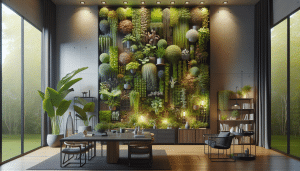
Plant stands, shelves, and ladders help elevate displays, making small collections look larger. Wall-mounted planters or vertical plant walls make use of underutilized vertical space, ideal for compact apartments. For those new to indoor gardening, starting small and gradually expanding your collection lets styles evolve naturally. Adding decorative stones, moss, or figurines around pots adds personality and creates mini-landscapes in any room. Whether your style is urban jungle, Scandinavian minimalism, or eclectic cottagecore, there’s always a creative way to showcase plants that reflect who you are.
Addressing Common Challenges with Houseplants
No indoor plant journey is without hiccups. Common concerns include drooping leaves, brown tips, pests, and slow growth. While it may seem daunting, most issues stem from environmental factors like inconsistent watering, poor light, or incorrect soil. Checking each plant weekly highlights early warning signs and lets you troubleshoot before problems become severe. Keeping a care diary—digital or on paper—helps track routines and spot patterns related to plant health. Online communities, gardening guides, and local horticulture extensions offer troubleshooting tips for specific species (https://hgic.clemson.edu/factsheet/common-houseplant-problems/).
Pest infestations such as spider mites, mealybugs, or fungus gnats can affect even experienced plant lovers. Isolating affected plants, removing visible bugs, and rinsing leaves can quickly curb outbreaks. Many gardeners recommend natural remedies—like neem oil or gentle insecticidal soap sprays—to help manage pests without harsh chemicals. Regular cleaning and good air circulation also reduce the risk of mold or mildew. Keep new additions quarantined for a few weeks to monitor for hitchhikers before adding to established collections.
Balancing plant care with busy routines requires a flexible approach. Automation tools like self-watering pots or moisture sensors can help maintain healthy conditions during vacations or hectic periods. Above all, patience and observation prove crucial. Plants often bounce back from minor stress with a little attention and a few adjustments. Over time, troubleshooting challenges becomes part of the rewarding experience, deepening your knowledge and confidence as an indoor gardener.
References
1. Bringslimark, T., Patil, G. G., & Hartig, T. (2009). The psychological benefits of indoor plants: A critical review of the experimental literature. Retrieved from https://www.ncbi.nlm.nih.gov/pmc/articles/PMC4419447/
2. United States Environmental Protection Agency. (n.d.). The inside story: A guide to indoor air quality. Retrieved from https://www.epa.gov/indoor-air-quality-iaq/inside-story-guide-indoor-air-quality
3. American Psychological Association. (2020). Nurtured by nature. Retrieved from https://www.apa.org/monitor/2020/04/nurtured-nature
4. University of Minnesota Extension. (n.d.). Choosing houseplants. Retrieved from https://extension.umn.edu/houseplants/choosing-houseplants
5. ASPCA. (n.d.). Toxic and non-toxic plants list. Retrieved from https://www.aspca.org/pet-care/animal-poison-control/toxic-and-non-toxic-plants
6. Clemson Cooperative Extension. (2020). Common houseplant problems. Retrieved from https://hgic.clemson.edu/factsheet/common-houseplant-problems/

 Why Minimalist Living Is Captivating So Many