Fitness Practices That Improve Mental Clarity
Emily Ward September 24, 2025
In today’s fast-paced world, many people are searching for sustainable ways to improve mental clarity while maintaining physical health. The connection between fitness practices and sharper thinking has become one of the hottest topics in wellness. Let’s explore how specific routines can help your brain stay sharp, focused, and energized.
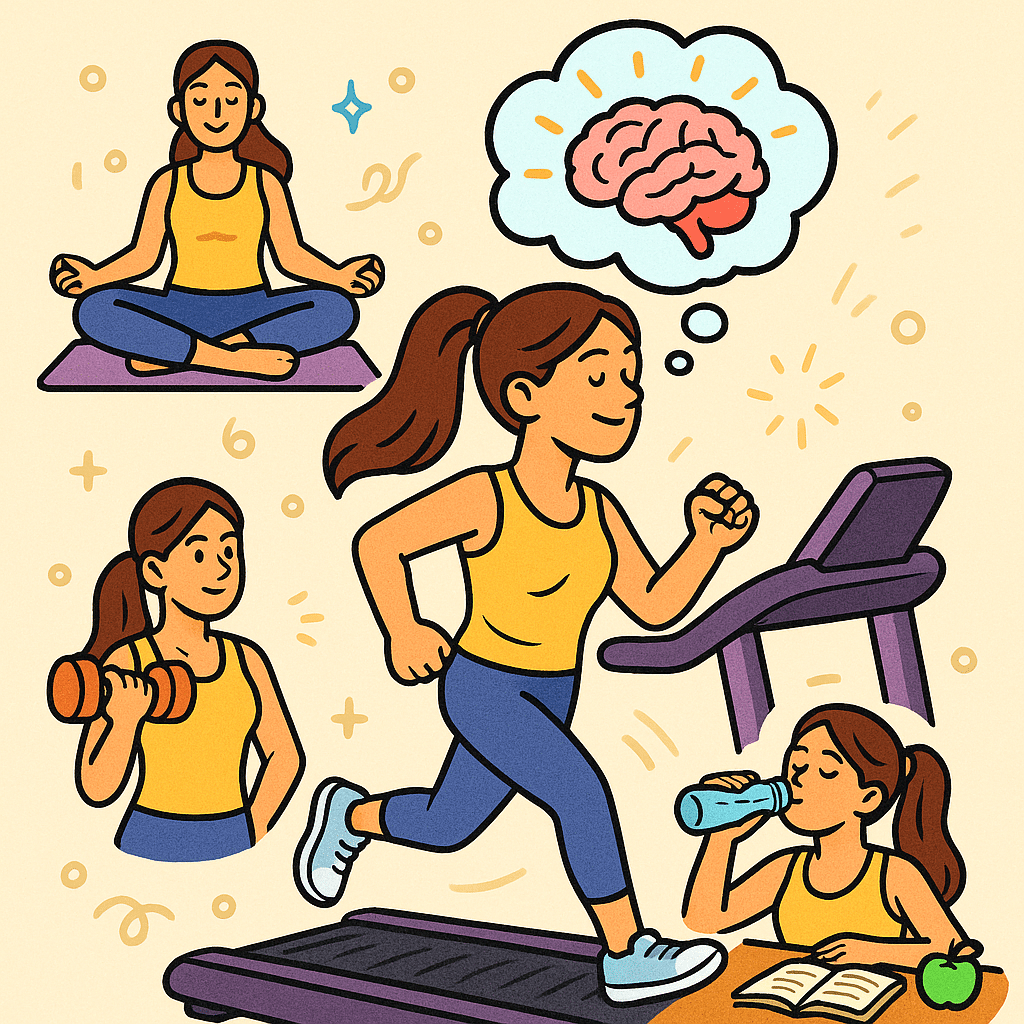
The Science Behind Fitness and Mental Clarity
Researchers have consistently shown that physical activity directly impacts cognitive performance. Aerobic exercise in particular increases blood flow to the brain, stimulates the release of growth factors, and enhances the production of neurotransmitters such as dopamine and serotonin. This results in better mood regulation, improved memory, and reduced mental fatigue (Ratey 2008).
Additionally, recent studies highlight that just 20–30 minutes of moderate activity daily can lower the risk of depression and slow age-related cognitive decline (Mandolesi et al. 2018). This evidence supports the idea that fitness is not just about looking good—it’s about thinking clearer.
Top Fitness Practices for Mental Clarity
1. Aerobic Exercise: Cardio for the Brain
Cardiovascular exercises such as running, cycling, or swimming remain the gold standard for enhancing mental performance. Aerobic workouts increase oxygen supply to the brain, strengthening neural connections and supporting long-term memory (Erickson et al. 2011).
Tips:
- Aim for at least 150 minutes of moderate cardio weekly.
- Morning workouts may help improve focus and productivity throughout the day.
2. Yoga and Breathwork: Calming the Mind
Yoga is more than a flexibility practice—it combines mindful movement with controlled breathing, which reduces stress hormone levels and sharpens attention. A study published in the Journal of Alternative and Complementary Medicine found that regular yoga participants experienced significant improvements in memory and concentration after just eight weeks (Gothe et al. 2013).
Practical Example:
- Incorporate a 20-minute yoga flow with deep breathing techniques to improve focus before mentally demanding tasks.
3. Strength Training: Powering Up the Brain
Strength training has traditionally been linked to muscle health, but growing evidence shows it also boosts cognitive function. Resistance workouts stimulate neuroplasticity—the brain’s ability to adapt and form new connections. In older adults, lifting weights has been associated with improved decision-making and problem-solving abilities (Liu-Ambrose et al. 2010).
How to Start:
- Try 2–3 full-body sessions weekly, focusing on compound lifts like squats, deadlifts, and presses.
4. High-Intensity Interval Training (HIIT): Quick Boost for Focus
For those short on time, HIIT offers brain benefits in bursts. Research published in Neuropsychologia shows that just 10 minutes of high-intensity intervals can significantly improve executive function—the set of mental skills involved in planning and self-control (Chang et al. 2017).
Routine Example:
- 30 seconds of sprinting followed by 90 seconds of walking, repeated 6–8 times.
5. Mindful Walking: Moving Meditation
Walking, especially in natural environments, has been proven to reduce brain fatigue and improve concentration. A landmark study by Kaplan and Kaplan (1989) suggested that “attention restoration” occurs when individuals spend time in green spaces. This simple practice provides both physical activity and mental reset.
Practical Tip:
- Take a 15-minute mindful walk during lunch breaks without headphones or screens.
6. Functional Fitness: Training Body and Brain Together
Emerging trends in the fitness industry show a shift toward functional training—exercises that mimic real-life movements. These practices not only enhance coordination but also challenge the brain by requiring multi-tasking and spatial awareness. Exercises like kettlebell swings or agility ladder drills have been linked to sharper reflexes and better focus.
CoCombining Fitness Practices for Maximum Clarity
The best way to sharpen mental clarity is to mix different practices instead of sticking to just one. Each type of movement offers something unique, and when you combine them, the benefits stack up.
- Morning Cardio for Energy and Focus
A quick run, cycle, or brisk walk jump-starts your brain by improving circulation and releasing endorphins. It sets the tone for a more focused and alert morning. - Midday Yoga or Breathwork to Reset
Stress tends to peak midday. A short yoga session or even five minutes of mindful breathing lowers cortisol and gives your mind space to reset, so you return to work calmer and more productive. - Strength Training for Long-Term Brain Health
Building muscle isn’t just physical. Resistance training helps regulate hormones and supports brain function, keeping memory and focus sharp as you age.
Together, these practices create a rhythm: cardio boosts your start, yoga keeps stress in check, and strength training builds resilience. The result is a daily routine that supports both body and mind.
Lifestyle Factors That Enhance Results
Fitness lays the groundwork, but pairing it with other habits helps your mind and body perform at their best:
- Sleep: Getting 7–9 hours of quality rest strengthens memory, sharpens focus, and supports recovery. A consistent bedtime and a screen-free wind down can make this easier.
- Nutrition: Foods rich in omega-3s, leafy greens, and antioxidants feed the brain as much as the body. Salmon, walnuts, spinach, and blueberries are simple, powerful choices.
- Hydration: Even mild dehydration slows thinking and focus. Keeping a water bottle nearby and drinking steadily through the day makes a big difference.
- Digital Detox: Breaks from screens prevent attention fatigue and help you reset. Replacing just 20 minutes of scrolling with a walk, stretch, or reading session gives your brain room to recharge.
- Stress Relief: Simple practices like meditation, journaling, or breathwork calm the mind and reduce cortisol, which otherwise drains clarity and motivation.
- Social Time: Regular connection—whether through conversations, group workouts, or shared meals—improves mood and builds mental resilience.
Conclusion
Improving mental clarity is no longer just about meditation or supplements—it’s about movement. From aerobic training to mindful walking, fitness practices are proving to be one of the most effective ways to maintain focus, reduce stress, and improve long-term brain health.
Start small: add a walk, join a yoga class, or lift weights twice a week. Over time, these fitness practices will sharpen your mind, improve your mood, and help you thrive in an increasingly distracted world.
References
- Harvard Health Publishing. (2021) Exercise is an all-natural treatment to fight depression. Harvard Medical School. Available at: https://www.health.harvard.edu/mind (Accessed: 24 September 2025).
- American Psychological Association. (2020) How exercise boosts the brain. APA. Available at: https://www.apa.org/topics/exercise-fitness (Accessed: 24 September 2025).
- Centers for Disease Control and Prevention. (2023) Benefits of Physical Activity. CDC. Available at: https://www.cdc.gov/physical-activity-basics (Accessed: 24 September 2025).

 Interior Organization Tips That Reduce Clutter