Simple Everyday Habits That Boost Your Gut Health
Emily Ward October 30, 2025
Discover practical ways you can support gut health through routines you may already enjoy. This guide explores how food, sleep, stress, and movement all influence digestion and overall well-being. Explore fresh perspectives on gut wellness that might surprise you.
Understanding Your Gut Microbiome
The gut microbiome acts as the body’s silent partner in health. It includes trillions of bacteria, fungi, and other microorganisms living primarily in the large intestine. These microbes perform essential tasks, such as breaking down fiber, generating vitamins, and shaping immune responses. Every day, choices like what’s on your plate or how much you move help determine which microbes thrive. If the balance is disrupted – by stress, illness, or processed foods – symptoms like bloating or fatigue may appear. Ongoing research continues to reveal just how personalized gut health really is, and how small lifestyle shifts influence these populations.
There’s growing evidence that the gut microbiome affects more than just digestion. Some scientists refer to the gut as the body’s “second brain.” The gut-brain axis links digestive wellness to mood, memory, and even sleep quality. In some cases, changes in the microbiome may influence mental health. Learning how daily habits can gently nurture a healthy gut environment benefits your overall sense of vitality. Focusing on variety and balance, rather than restrictive diets, encourages a blossoming of helpful bacteria.
Why is this tiny ecosystem so influential? When the gut microbiome is diverse, it helps break down complex foods, supports immune defense, and helps regulate inflammation. When its mix is out of sync, you may feel it as discomfort or subtle energy dips. Sometimes, the solution is as simple as a routine change or mindful food swap. Exploring possible links between chronic conditions and gut imbalances offers new paths to feeling your best. An awareness of your microbiome opens the door to sustainable and gentle self-care routines.
Daily Foods That Support Digestive Wellness
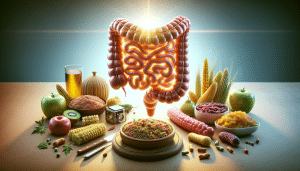
Food is one of the most direct ways to impact gut health. Fiber-rich vegetables, whole grains, legumes, and certain fruits act as prebiotics – feeding beneficial bacteria so they multiply. For example, onions, garlic, bananas, and oats are simple additions that deliver these important nutrients. Fermented foods like yogurt, kefir, kimchi, or sauerkraut introduce live cultures (probiotics) which help maintain the microbial balance within your digestive tract.
Rather than focusing on restrictive diets, many experts recommend introducing more plant-based variety. Leafy greens, berries, lentils, and seeds offer not just nutrients but also polyphenols, which microbes use to create healthful compounds. Adjusting your meals to include colorful produce, beans, and healthy fats helps cultivate a resilient gut. Experimenting with new recipes or simply adding a side of fermented vegetables can make a meaningful difference over time.
Staying hydrated also plays an underrated role. Water supports the movement of fiber through the digestive tract, minimizing constipation and creating a happy environment for beneficial bacteria. Too little fluid and meals heavy in processed foods may slow digestion and make gut issues more likely. Even simple swaps like trading sugary drinks for water or herbal tea prompt positive shifts in digestive comfort. Small, consistent choices are often the most powerful tools for nurturing gut wellness.
The Role of Stress and Sleep in Gut Function
Stress can disrupt the delicate balance within the digestive system. When stress hormones like cortisol rise, they can alter gut motility and reduce the diversity of bacteria, sometimes leaving people with symptoms like indigestion, cramps, or bloating. While a certain amount of stress is inevitable, mindful practices such as breathing exercises or regular walks outside may help restore digestion. People often notice that persistent stress is reflected in their gut health over time.
Quality sleep gives the digestive system time to repair and reset. Research shows connections between short sleep duration and increased risk for digestive discomfort, including constipation or upset stomach. Establishing a steady sleep schedule, winding down with calming rituals in the evening, and reducing screen time before bed are simple but effective ways to encourage both restful sleep and healthy digestion. Adequate rest supports immune function – much of which is housed in the gut.
It may surprise you, but gut bacteria themselves have cycles that echo the human sleep-wake rhythm. Disrupted sleep can throw off this rhythm, influencing the species that thrive in your digestive tract. Stress and lack of rest can create a feedback loop, where digestive discomfort fuels more tension. Prioritizing both relaxation and sleep hygiene is key for overall wellness, with gut health as a tangible outcome. Over time, tending to mind and body goes hand-in-hand with robust digestion.
Movement and Physical Activity: More Than Fitness
Moderate, regular movement is an ally for gut function. Activities such as walking, swimming, or light stretching stimulate the intestinal muscles, supporting regular bowel movements. Even gentle exercise can help prevent constipation and promote a healthy environment for gut bacteria. Physical activity may also reduce the risk of conditions linked with poor digestion, such as irritable bowel syndrome (IBS).
It’s not necessary to embrace intense workouts for these benefits. In fact, moderate efforts often do more for gut health than overexertion. Yoga or tai chi, for example, combine movement with stress reduction. These activities can help stabilize appetite and digestion, while also encouraging mindful body awareness. Finding the type of movement that feels engaging and sustainable increases the likelihood it becomes part of your daily life.
Many people notice improvements in digestion after adopting a more active routine, even with small steps like taking the stairs or walking after meals. The body rewards consistency, as steady movement supports the diverse bacterial communities in your gut. Importantly, regular activity has ripple effects on sleep and stress management – two other cornerstones of digestive health. Every bit of movement counts, and the gut responds with resilience.
Other Everyday Factors and Gut Health
Beyond food, sleep, and movement, other daily choices quietly shape gut health. Hygiene habits, such as regular handwashing and safe food handling, reduce unwanted microbes that might upset digestion. Certain medications, including antibiotics and common pain relievers, can disrupt the microbiome. When possible, discussing with a healthcare provider about supporting gut health during medication use is a wise step.
Limiting unnecessary antibiotic use preserves beneficial bacteria, while choosing foods that counteract inflammation (like oily fish or walnuts) are gentle ways to shield gut wellness. Over-the-counter probiotics may offer support for some, but diet and lifestyle remain foundational. Paying attention to how your body responds to new foods or stressful periods helps you adapt routines that genuinely feel nourishing for your gut.
Noticing patterns and tracking symptoms – whether in a journal or a simple note on your phone – can provide insights. If unexplained digestive issues persist, consulting a healthcare professional ensures that more serious conditions are not overlooked. For most, the journey to improved gut health is gradual and rewarding, relying on steady, everyday decisions rather than major overhauls. Personal intuition, when combined with scientific guidance, leads to lasting wellness.
References
1. National Institutes of Health. (n.d.). The human microbiome. Retrieved from https://www.nih.gov/news-events/nih-research-matters/human-microbiome
2. Harvard T.H. Chan School of Public Health. (n.d.). Fiber and prebiotics: Mechanisms and health benefits. Retrieved from https://www.hsph.harvard.edu/nutritionsource/fiber/
3. John Hopkins Medicine. (n.d.). The science of fermented foods. Retrieved from https://www.hopkinsmedicine.org/health/wellness-and-prevention/the-science-of-fermented-foods
4. American Psychological Association. (n.d.). Stress and the gut. Retrieved from https://www.apa.org/news/press/releases/stress/2016/gut-health
5. Sleep Foundation. (n.d.). The relationship between sleep and gut health. Retrieved from https://www.sleepfoundation.org/physical-health/gut-health-and-sleep
6. Mayo Clinic. (n.d.). Exercise and digestion: How move can help. Retrieved from https://www.mayoclinic.org/healthy-lifestyle/nutrition-and-healthy-eating/expert-answers/digestion/expert-answers/faq-20058340

 You Won’t Believe What AI Can Do in Daily Life