Gardening Ideas That Boost Home Aesthetics
Thomas Blake September 19, 2025
Creating an outdoor space that is both beautiful and functional has become one of the most rewarding home improvement trends. With the rise of climate-conscious design and wellness-focused living, gardening ideas that boost home aesthetics and comfort are gaining momentum in 2025. From vertical gardens to smart irrigation systems, these innovative approaches not only improve curb appeal but also enhance daily living.
Why Gardening Matters More Than Ever
Gardening is no longer just about flowers and lawns—it’s about lifestyle. A thoughtfully designed outdoor area can:
- Increase property value by up to 20% (National Association of Realtors, 2023).
- Improve mental health through daily interaction with greenery (American Psychological Association, 2022).
- Contribute to sustainability with water-wise and pollinator-friendly designs.
This makes investing in gardening ideas that boost home aesthetics and comfort both a practical and rewarding choice.
Vertical Gardens: Beauty in Small Spaces
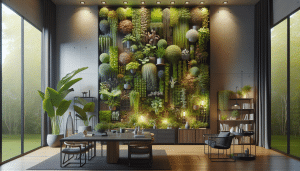
For homeowners with limited outdoor space, vertical gardens are a trend transforming balconies, patios, and even indoor walls. They:
- Maximize greenery without requiring large land areas.
- Act as natural insulators, reducing indoor temperatures.
- Provide a striking visual focal point.
Studies show that vertical gardens can reduce indoor air pollutants by up to 60% (Wolverton 2022). These living walls aren’t just stylish—they’re functional.
Smart Gardening With Technology
The integration of technology into gardening has created new levels of comfort and convenience. Popular options include:
- Automated Irrigation Systems – Save up to 50% of water compared to traditional watering (EPA, 2023).
- App-Controlled Lighting – Highlight garden features while extending outdoor usability at night.
- Smart Soil Sensors – Provide real-time feedback on moisture and nutrient levels.
These tools align with the growing movement toward sustainable and efficient living.
Eco-Friendly Lawn Alternatives
Traditional lawns require high maintenance and excessive water use. In response, many homeowners are switching to eco-friendly alternatives:
- Artificial turf that looks natural while requiring zero mowing or watering.
- Native grass blends that adapt to local climates and thrive with minimal care.
- Ground covers like clover that stay green year-round and attract pollinators.
According to the Environmental Protection Agency, lawn irrigation accounts for nearly one-third of all residential water use in the U.S. (EPA 2023). By choosing alternatives, homeowners save money and resources while maintaining curb appeal.
Outdoor Living Rooms: Comfort Beyond Walls
Blurring the line between indoors and outdoors is a major design trend. Outdoor living rooms often include:
- Weather-resistant sofas and dining sets.
- Pergolas or retractable canopies for shade.
- Outdoor kitchens for entertaining.
These spaces extend functional square footage without costly renovations and create an inviting environment for relaxation or social gatherings.
Sensory Gardens for Wellness
Gardens designed to stimulate multiple senses are increasingly recognized as powerful tools for healing and emotional balance. These spaces go beyond simple visual beauty, offering a holistic experience that engages smell, touch, sound, and even taste.
Aromatic plants such as lavender, rosemary, and mint are often included, as their natural oils are linked to relaxation and reduced anxiety. Research has shown that inhaling these scents can lower stress levels and enhance mood (Moss, Howarth and Wilkinson 2015).
For touch, textured greenery such as lamb’s ear or ornamental grasses provide soothing tactile experiences, inviting visitors to interact directly with nature. The sense of hearing is equally important—gentle water features, like fountains or trickling streams, create calming background sounds that mask urban noise and help promote mindfulness.
Some sensory gardens even incorporate edible plants, such as strawberries and herbs, encouraging taste-based interaction and healthy snacking. These features make them especially beneficial for children and older adults, including those living with dementia, as they can evoke memories and stimulate cognitive function (Marcus and Sachs 2013).
The Royal Horticultural Society highlights that sensory gardens can significantly reduce stress, improve mood, and support overall well-being, making them valuable additions to schools, hospitals, and community spaces (RHS 2023).
Lighting for Mood and Safety
Strategic garden lighting boosts both aesthetics and functionality. Popular options are:
- Solar-powered pathway lights for eco-efficiency.
- LED spotlights to highlight trees or sculptures.
- String lights to add a warm, inviting atmosphere.
Good lighting enhances nighttime safety while creating an enchanting evening environment.
Sustainable Garden Practices
Sustainability is at the heart of modern gardening, transforming ordinary yards into eco-friendly havens. More homeowners are adopting practices that not only beautify their spaces but also contribute to global environmental goals.
One of the most impactful methods is composting, where kitchen scraps and garden clippings are repurposed into nutrient-rich soil. This simple habit reduces landfill waste while providing plants with natural fertilizer, cutting down on the need for expensive chemical products (EPA 2023).
Another increasingly popular approach is rainwater harvesting. By installing barrels or underground collection systems, homeowners can gather runoff to irrigate gardens, reducing water bills and easing pressure on municipal systems. In fact, households can save thousands of gallons of water annually with even a basic setup (USGS 2022).
Pollinator gardens are also on the rise, designed with native flowers that attract bees, butterflies, and hummingbirds. These vibrant landscapes don’t just add color – they play a vital role in maintaining biodiversity and boosting food production by supporting natural pollination cycles.
Taken together, these practices showcase a movement toward eco-conscious living, where sustainability and beauty go hand in hand. By embracing them, homeowners create thriving outdoor spaces while actively supporting the planet’s health.
Conclusion: Designing for Aesthetics and Comfort
Gardening ideas that boost home aesthetics and comfort are more than design choices—they’re lifestyle enhancements. By blending smart technology, sustainable practices, and creative design, homeowners can craft outdoor spaces that are beautiful, functional, and beneficial for well-being.
Whether it’s a vertical garden in a small apartment or a fully equipped outdoor living room, the key is to design with both beauty and usability in mind.
References
- Royal Horticultural Society (2023) Garden design ideas to transform your outdoor space. Available at: https://www.rhs.org.uk/ (Accessed: 19 September 2025).
- Better Homes & Gardens (2022) 25 landscaping ideas for a beautiful yard. Available at: https://www.bhg.com/gardening/landscaping/ (Accessed: 19 September 2025).
- The Spruce (2023) Front yard landscaping ideas to boost curb appeal. Available at: https://www.thespruce.com/ (Accessed: 19 September 2025).

 Strategies for Scaling a Startup Successfully