Unlocking the Secrets of Gut Health for Energy and Wellbeing
Emily Ward October 18, 2025
Discover how optimizing gut health can transform daily energy levels, support immune function, and nurture overall wellness in ways many never expect. This guide uncovers the connection between gut microbiome balance, daily habits, brain clarity, and vitality for a happier, healthier life.
Understanding Gut Health and the Microbiome
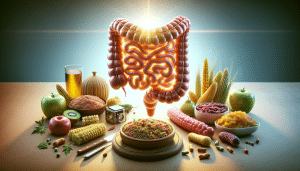
The gut is often called the body’s second brain and for a good reason. Within the digestive tract lives a vast community of microorganisms, known collectively as the gut microbiome. These microorganisms, including bacteria, fungi, and viruses, are essential to many aspects of health, from breaking down food to supporting the immune system. When the microbiome is balanced, the digestive system operates smoothly, nutrients are absorbed more efficiently, and the body feels more energetic. However, disruptions in this complex community can lead to digestive issues, fatigue, and even changes in mood.
This balance, or homeostasis, is influenced by daily choices like diet, hydration, and stress management. Highly processed foods, antibiotics, and lack of dietary fiber may negatively impact the diversity of the microbiome. Probiotics, found in fermented foods such as yogurt and kimchi, as well as prebiotics present in fiber-rich fruits and vegetables, contribute to thriving beneficial bacteria in the gut. Building and maintaining a robust microbiome has shown connections to reduced inflammation, better metabolism, and even protection against certain diseases (Source: https://www.nccih.nih.gov/health/probiotics-what-you-need-to-know).
Scientific interest in gut health is rapidly growing, as research continues to unravel the links between the microbiome and a range of conditions, including mental health, allergies, and autoimmune disorders. Exploring how gut bacteria communicate with the brain through the gut-brain axis reveals why symptoms such as anxiety and brain fog may be intertwined with digestive health. Investing in gut health is, therefore, more than a digestion issue. It’s about supporting the foundations for lifelong wellness, resilience, and clarity—day after day.
Impact of Gut Health on Immunity and Inflammation
Immune health and gut function share an intimate partnership. Approximately 70% of immune tissue is located in the gut—meaning the microbiome influences how the body detects and responds to invaders. When gut bacteria are balanced and diverse, they assist in training immune cells to react to pathogens appropriately, helping prevent unnecessary inflammation or ineffective responses. This connection is key to understanding why recurring infections or lingering fatigue sometimes trace back to the digestive tract.
Chronic inflammation is behind many common health problems, from joint aches to cardiovascular issues. The byproducts produced by beneficial gut bacteria, such as short-chain fatty acids, can help calm inflammation and support barrier functions in the gut lining. This prevents unwanted substances from leaking into the bloodstream, a phenomenon sometimes referred to as ‘leaky gut’. When these protective mechanisms falter, immune function can weaken, leaving individuals more prone to colds and other illnesses (Source: https://www.cdc.gov/food-safety/communication/gastrointestinal-illness.html).
Lifestyle factors play an influential role. High-sugar diets, chronic stress, and insufficient sleep disrupt the healthy balance of gut bacteria, sometimes triggering inflammatory cascades throughout the body. Prioritizing fiber, plant-based meals, and mindful stress reduction is a holistic way to support not only digestion but also immune resilience. For many, simple dietary shifts and relaxation techniques may unlock a noticeable improvement in daily wellbeing and resistance to seasonal sickness.
The Gut-Brain Connection: Mood, Energy, and Focus
The gut does more than digest food. It communicates directly with the brain through a complex network known as the gut-brain axis. This pathway relies on neurotransmitters, hormones, and the immune system to transmit signals between the digestive tract and the brain. An imbalance in gut flora has been associated with mood disorders, such as anxiety and depression, as well as symptoms like mental fatigue and trouble concentrating. This is why nourishing the gut is sometimes referred to as feeding the mind.
Certain gut bacteria produce or help modulate vital neurotransmitters like serotonin, often called the happiness chemical. Remarkably, about 90% of serotonin is made in the gut, not the brain. Research also links a healthy gut to improved cognitive flexibility, memory, and motivation. Those who prioritize gut health often report feeling more alert, balanced, and able to manage life’s stresses gracefully (Source: https://www.psychologytoday.com/us/basics/gut-brain-connection).
Disruptions in this axis can be triggered by antibiotics, recurring digestive upsets, or nutritional gaps, which cumulatively drain mental energy and focus. Establishing healthy habits around meals, sleep patterns, and hydration helps stabilize this crucial system. Even practices like regular physical activity contribute to the positive chemistry between gut and brain. This two-way street underscores why a comprehensive approach to wellness never overlooks the digestive system.
Daily Habits That Influence Gut Health
Small actions make a big difference over time. Consistently consuming a variety of plant-based foods exposes gut bacteria to different fibers, encouraging microbial diversity. Leafy greens, beans, berries, and whole grains are rich in prebiotics that strengthen beneficial bacteria. Introducing fermented foods such as kefir, sauerkraut, or miso supplies the gut with active cultures shown to aid digestion and support overall microbiome health.
Hydration is often overlooked but is essential for maintaining the environment gut bacteria need to thrive. Water supports regular bowel movements, nutrient absorption, and the movement of the digestive tract. Incorporating gentle physical activity and stress-reducing routines—such as deep breathing, journaling, or time outdoors—directly influences digestion by balancing stress hormones and supporting regular motility (Source: https://www.hsph.harvard.edu/nutritionsource/nutrition-and-immune-health/).
Embracing mindful eating—chewing thoroughly, eating without distractions, and paying attention to hunger or fullness cues—helps optimize enzyme production and nutrient absorption. These simple rituals reduce bloating and support better energy throughout the day. Over time, these habits integrate naturally into daily life, making gut health maintenance feel effortless and impactful.
Recognizing Signs of Imbalance and When to Seek Help
Gut imbalances present themselves in subtle and surprising ways. Common signs include bloating, irregular bowel movements, chronic fatigue, sudden food sensitivities, or unexplained skin problems. These symptoms suggest the microbiome may be under strain from stress, poor diet, medications, or environmental changes. While occasional discomfort is common, persistent issues warrant closer attention and often benefit from personalized support.
Listening to your body helps guide better choices. Keeping a simple food and symptom journal can help identify patterns between what’s eaten and how the body responds. Eliminating highly processed snacks, gradually increasing fiber, and choosing foods rich in live cultures can reveal meaningful improvements. While many strategies are safe to try independently, consultation with a knowledgeable healthcare professional may help uncover deeper causes or rule out underlying conditions (Source: https://www.mayoclinic.org/diseases-conditions/digestive-problems/).
For those experiencing severe or ongoing symptoms, diagnostic testing for food intolerances or gut pathogens might be recommended. Early intervention supports faster recovery and prevents minor imbalances from escalating into chronic health concerns. Open conversations with medical providers ensure that strategies chosen are evidence-based, safe, and tailored to unique individual needs.
Exploring New Research and the Future of Gut Wellness
Innovations in gut health are reshaping how wellness is perceived. Cutting-edge studies examine how specific probiotics and dietary interventions can play roles in addressing metabolic health, mental wellbeing, and even longevity. The integration of sequencing technology lets scientists profile the microbiome in detail, offering exciting possibilities for personalized nutrition and early disease detection.
Interest in synbiotics (combinations of probiotics and prebiotics), and postbiotics (beneficial bacterial metabolites), continues to grow. These emerging concepts suggest the potential for targeted therapies to restore or maintain microbial harmony for individuals of every age. Some research even explores how the gut interacts with medications and vaccines, possibly explaining varied responses between people (Source: https://www.nih.gov/news-events/nih-research-matters/gut-microbes-support-health).
For everyday wellness seekers, staying updated on developments inspires informed decisions and lasting habits. As new discoveries unfold, one thing becomes clear: the future of health will rely increasingly on what happens in the gut. This ongoing quest ensures nutrition, lifestyle, and science will continue to intersect in profound, practical ways.
References
1. National Center for Complementary and Integrative Health. (n.d.). Probiotics: What You Need To Know. Retrieved from https://www.nccih.nih.gov/health/probiotics-what-you-need-to-know
2. Centers for Disease Control and Prevention. (n.d.). Gastrointestinal (GI) Illnesses. Retrieved from https://www.cdc.gov/food-safety/communication/gastrointestinal-illness.html
3. Psychology Today. (n.d.). Gut-Brain Connection. Retrieved from https://www.psychologytoday.com/us/basics/gut-brain-connection
4. Harvard T.H. Chan School of Public Health. (n.d.). Nutrition and Immune Health. Retrieved from https://www.hsph.harvard.edu/nutritionsource/nutrition-and-immune-health/
5. Mayo Clinic. (n.d.). Digestive Problems. Retrieved from https://www.mayoclinic.org/diseases-conditions/digestive-problems/
6. National Institutes of Health. (2020). Gut Microbes Support Health. Retrieved from https://www.nih.gov/news-events/nih-research-matters/gut-microbes-support-health

 Unlocking the Power of Quantum Computing