Secrets Smart Homeowners Use for Low-Maintenance Gardens
Thomas Blake October 17, 2025
Discover how low-maintenance landscaping transforms outdoor spaces and simplifies chores. This guide reveals practical design ideas, plant choices, and step-by-step techniques for effortless garden care—all while enhancing curb appeal and sustainability in your home.
Why Low-Maintenance Gardens Matter
Low-maintenance gardens are trending among homeowners who value both beauty and simplicity. These spaces cut down on routine chores without sacrificing visual interest. If mowing every weekend or constant weeding isn’t appealing, this garden style may be the solution. By embracing thoughtful design, you simplify your outdoor workload, save time, and reduce water and chemical use. Sustainable, low-effort gardens are also kinder to the environment and often require less spending on fertilizers and pest control. Many people choose this style to spend more time enjoying their space and less on upkeep.
Low-maintenance doesn’t mean boring or barren. Instead, it is about making strategic choices—selecting hardy plants that thrive in your region, mulching to suppress weeds, and grouping greenery by water needs. The secret is working with nature, not against it. This thoughtful approach means less stress during droughts or time away and more thriving plants with minimal effort. Such gardens offer peace of mind for travelers and busy families, ensuring your yard remains attractive with little intervention.
Another major attraction of this landscaping style is its impact on property value. Homes with well-designed landscapes often have greater curb appeal and are more attractive to potential buyers. Even renters and those with small patios can benefit from the basic principles by container gardening or using perennial flowers. Ultimately, a low-maintenance garden enriches your lifestyle, offering outdoor beauty that doesn’t dominate your weekends—ideal for almost anyone interested in practical yet gorgeous home spaces. https://extension.unh.edu/resource/low-maintenance-landscaping-fact-sheet
Design Ideas to Simplify Yard Care
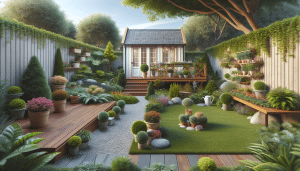
The foundation of any successful low-maintenance landscape is good design. Focus on creating clearly defined zones—such as lawn, flower beds, and paths. Hardscape elements like stone, gravel, or wood chips minimize areas that need mowing or weeding. These materials also frame plant beds, improve drainage, and reduce erosion. Curved bed edges look attractive and are easier to maintain than straight lines, as they discourage weed encroachment and soften the landscape’s look.
Incorporating ground covers, such as creeping thyme or sedum, reduces the open soil vulnerable to weeds. Layering plants—using taller shrubs in the back, mid-sized plants in the center, and ground cover at the edge—offers visual interest and makes maintenance tasks more efficient. Add mulch generously to retain moisture and block weeds. Smart placement of plants based on sun and water needs results in healthier growth and fewer problems, meaning less labor over time. Thoughtful grouping also makes irrigation simpler.
Smart garden design also considers access and movement. Locating beds near water sources and leaving adequate paths or stepping stones allows for easy tending and limits foot traffic on plant roots. Raised beds can be helpful for anyone with mobility issues, as they cut down on bending and kneeling. By simplifying yard care zones, you not only streamline maintenance, but also create a welcoming, practical landscape. https://extension.psu.edu/low-maintenance-landsca
Choosing Plants That Do the Work for You
Plant selection is crucial for a low-maintenance garden. Focus on native and drought-tolerant species, which adapt well to local conditions and need less water, fertilizer, or pest management. These plants are typically more resilient and provide habitat for local pollinators. Perennials, which return each year, minimize replanting and offer reliable blooms or foliage, contributing to effortless long-term enjoyment. Evergreens form the backbone of any easy-care garden, providing year-round interest without demanding seasonal replanting.
Consider ornamental grasses, succulents, and flowering shrubs that can survive both hot summers and chilly winters. Many of these selections actually suppress weeds by forming dense carpets. Planting in mass—establishing blocks or drifts of the same type—reduces visual clutter and streamlines watering and fertilizing. Herbaceous options like catmint, lavender, and Russian sage are both beautiful and low effort. For shady spaces, ferns and hostas offer lush greenery without constant attention.
Edible gardens can be low-maintenance too. Blueberries, rhubarb, and perennial herbs such as chives and oregano return each season, often needing less input than annual vegetables. Fruiting shrubs or small trees can be an attractive, practical element. Letting nature handle more of the heavy lifting—by prioritizing resilient, local plants—creates a yard that is not just a pleasure to see but a breeze to care for. https://pubs.ext.vt.edu/430/430-002/430-002.html
Smart Watering and Soil Approaches
Efficient watering greatly reduces garden labor. Drip irrigation systems or soaker hoses target roots directly, conserving water and keeping foliage dry to minimize fungal issues. Water timers further streamline schedules and remove guesswork. Mulching—using bark chips, shredded leaves, or compost—helps soil retain moisture so you need to irrigate less often. A thick mulch layer also limits weed growth and improves soil as it breaks down, supporting healthier plants naturally.
Improving soil structure pays off over time. Adding organic matter, like compost, enriches sandy soils or loosens heavy clay, helping plants build stronger, deeper roots. Healthy, living soils support beneficial organisms that reduce pest and disease pressure, making your work easier. Testing your soil’s pH before planting ensures you choose species suited for your environment, which means less work correcting deficiencies later. Many low-maintenance gardeners adopt ‘no-dig’ methods to further protect soil structure and minimize disturbance.
Rain barrels or other water collection systems turn rainfall into a resource. Using these methods for supplemental watering helps keep utility costs down and supports sustainable gardening. Considering your climate and soil together allows wise plant selection and irrigation planning, leading to a lush landscape with minimal outside input. https://hgic.clemson.edu/factsheet/low-maintenance-landscaping-practices/
Weed, Pest, and Disease Prevention That Lasts
Proactive strategies are at the heart of every low-maintenance yard. Mulch, as mentioned, is essential for weed control, but so is planting densely and reducing open spaces. Ground covers and closely spaced perennials crowd out competitors, making it hard for weeds to become established. Regularly adding compost or leaf mold improves soil, which supports vigorous plant growth that can better resist pests and disease problems naturally over time.
Integrated pest management (IPM) keeps trouble at bay while reducing chemical needs. Encourage beneficial insects like ladybugs and lacewings by planting nectar-rich flowers. Avoid broad-spectrum insecticides, which can harm helpful bugs. Choosing disease-resistant plant varieties, properly spacing plants, and removing debris after the season all lower the risk of outbreaks. Simple, regular inspection is the best line of defense. Early identification allows you to address issues before they escalate.
Avoiding monocultures—large sections of a single type of plant—further increases resilience. Mixed species beds mimic nature’s diversity, which balances pest populations. Rotate locations for annuals when possible to prevent soil-borne issues. These sustainable, science-backed tactics reduce headaches and align with the low-maintenance garden philosophy. https://ucanr.edu/sites/scmg/Need_Information/Low_Maintenance_Landscaping/
Making Maintenance Routine—Not a Burden
Even the easiest landscapes require some care. The goal is efficiency. Group tasks by season—such as pruning in late winter, mulching in spring, and minimal deadheading in summer. Keeping paths and hard surfaces clear makes a space look cared for with little daily input. Adjusting mower blades higher, for example, leaves grass stronger and less prone to weeds and drought stress, saving time all season.
Invest in the right tools, such as ergonomic pruners and lightweight rakes, to make jobs simple. Scheduling small, weekly check-ins instead of long, infrequent sessions prevents big work from piling up. Many people find that tending their low-maintenance garden provides a welcome reason to get outside while staying manageable, even for busy households. Technology can help, too. Use smart irrigation controls, solar-powered lights, and garden apps for reminders and tracking.
Above all, practice patience and stay observant. Low-maintenance gardening is about gradual improvements and working smarter, not harder. With the right approach, your garden rewards you with beauty and relaxation season after season, making yard care something to savor, not dread. https://extension.umn.edu/lawn-care/low-maintenance-lawns
References
1. University of New Hampshire Extension. (n.d.). Low-maintenance landscaping. Retrieved from https://extension.unh.edu/resource/low-maintenance-landscaping-fact-sheet
2. Penn State Extension. (n.d.). Low maintenance landscaping. Retrieved from https://extension.psu.edu/low-maintenance-landsca
3. Virginia Cooperative Extension. (n.d.). Gardening with less water. Retrieved from https://pubs.ext.vt.edu/430/430-002/430-002.html
4. Clemson Cooperative Extension. (n.d.). Low maintenance landscaping practices. Retrieved from https://hgic.clemson.edu/factsheet/low-maintenance-landscaping-practices/
5. University of California Agriculture and Natural Resources. (n.d.). Low-maintenance landscaping. Retrieved from https://ucanr.edu/sites/scmg/Need_Information/Low_Maintenance_Landscaping/
6. University of Minnesota Extension. (n.d.). Low-maintenance lawns. Retrieved from https://extension.umn.edu/lawn-care/low-maintenance-lawns

 Easy Ways You Can Refresh Your Living Space