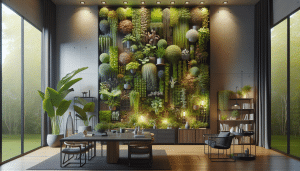
You Can Transform Small Spaces with Vertical Gardens
Thomas Blake October 15, 2025
Discover how vertical gardens can bring lush beauty and improved air quality to any home—no matter the space limitations. This in-depth guide explores innovations in vertical gardening, plant selection, creative DIY tips, and maintenance strategies to help anyone elevate their indoor or outdoor environment.
Why Vertical Gardens Are Changing Small-Space Gardening
The popularity of vertical gardens is reshaping home and garden design for those with limited floor space. Rather than spreading out, vertical gardens grow upward, turning bare walls and unused corners into vibrant living displays. This concept allows apartment dwellers, urban homeowners, and backyard gardeners to cultivate more greenery—even in compact environments. People around the world are discovering that vertical gardens are not just decorative; they bring practical benefits such as reduced indoor pollution, noise dampening, and temperature regulation. High-density living, modern design trends, and the desire for low-maintenance greenery are driving this evolution in how spaces are planned and enjoyed.
Environmental sustainability is another key reason for the growing demand for vertical gardening systems. Vertical gardens provide excellent insulation, lowering heating and cooling costs and reducing overall energy consumption in urban areas. These living walls can also filter out harmful toxins and add oxygen to the air, leading to noticeable improvements in air quality. In addition, vertical gardens introduce biodiversity to cities by supporting insects, pollinators, and birds, creating more resilient micro-ecosystems indoors and outdoors.
Busy schedules, digital lifestyles, and limited space all contribute to an increasing interest in compact, easy-care gardening methods. Vertical gardens are typically easier to water and monitor, reducing the pressure for regular outdoor gardening time. Many systems are modular and can be customized, allowing creativity in their design and adaptation to various wall sizes or lighting conditions. In the world of home improvement, people are consolidating function and style—vertical gardens offer both in a single feature.
Creative Ways to Install Vertical Gardens Indoors and Outdoors
There are many strategies for setting up vertical gardens at home, regardless of experience or budget. Wall planters, pocket panels, recycled pallet gardens, and mounted shelving systems all channel the vertical gardening trend. Modular garden kits are widely available and can be attached to living room walls, balconies, patios, or even fences. Some prefer DIY approaches—re-purposing shoe organizers, guttering, or ladders to create a cascading display of herbs, succulents, or flowering plants. Each installation creates a unique green focal point and instantly upgrades the aesthetic appeal of your home.
Lighting and location play critical roles in the success of a vertical garden. Indoor setups thrive in locations with access to indirect sunlight, such as kitchens, bathrooms, or entryways. Outdoor installations can easily transform blank fence lines, patio walls, or even the exterior of sheds. It is important to research which plants will thrive in your chosen area, taking note of available light, temperature fluctuations, and humidity. Proper planning at the start ensures vibrant, long-lasting installations and minimizes ongoing care challenges.
For those with limited DIY experience, premade vertical gardening systems offer an accessible solution. These kits typically include irrigation features, soil pockets, and mounting materials, making installation simple and manageable. Homeowners looking for more personalized options might blend traditional planters with modern wall systems for a layered effect. Regardless of installation method, vertical gardens remain highly adaptable, allowing even renters or those with no outdoor access to enjoy a lush, natural environment.
Top Plants That Thrive in Vertical Gardens
Selecting the right plants is crucial for any vertical garden’s success. Low-maintenance, drought-tolerant varieties such as pothos, philodendron, spider plants, and succulents are excellent for beginners because they can handle periodic dryness, changing light, and minimal soil depth. Edible plants like herbs—basil, parsley, mint—and leafy greens like lettuce or spinach can be cultivated indoors, right on your wall, making meal preparation more convenient and fresh. For outdoor installations, ferns, ivy, small flowering annuals, and dwarf ornamental grasses add diversity, color, and visual texture.
Matching plant selections to environmental conditions helps prevent early burnout and ensures lush, consistent growth throughout the year. Shaded spaces call for low-light specialists such as ferns, peace lilies, or cast iron plants. Bright, sunny spots encourage succulents, sedums, and vibrant annuals to flourish. Rotating plant choices with the seasons and experimenting with new varieties can keep vertical gardens looking fresh and exciting, all while expanding your gardening knowledge. This ongoing renewal appeals to those who enjoy tweaking their home environment.
Experts recommend avoiding heavy, deep-rooted plants in wall gardens, as weight can undermine stability and increase the difficulty of maintenance. Stick with compact species with shallow roots, supporting healthier growth and a longer-lasting display. Choosing pollinator-friendly blooms such as nasturtiums, calendula, or lavender not only benefits the environment but also adds calming colors and scents to shared living spaces. By researching which plants grow best in vertical gardens, each gardener can craft a tailored living wall to suit their style and daily needs.
Maintenance Tips to Keep Vertical Gardens Flourishing
Caring for vertical gardens requires attention, but the process is straightforward once a routine is established. Watering frequency should match the arrangement—some modular garden walls offer integrated drip irrigation, while smaller DIY systems benefit from regular misting or hand-watering. Good drainage prevents excess moisture buildup, discouraging mold or rot. Simple habits such as regular inspection for pests, debris removal, and light pruning will ensure plants remain healthy and attractive over time. Most vertical gardens require less work than traditional beds, thanks to their compact size and easy access.
Fertilization plays a role in successful vertical gardening, especially in tightly packed or soilless systems that deplete nutrients quickly. Slow-release or liquid plant food applied every few weeks can support robust, green growth and enhance blooming. It is crucial to observe how specific plants react to changes—yellowing leaves or stunted growth often indicate over- or under-watering, or the need for an adjustment in feeding schedules. Staying proactive with maintenance leads to a resilient and long-lasting green display, even under variable climate conditions.
Seasonal care, including repositioning mobile modules for better light, swapping plants as weather shifts, and removing any spent growth, prolongs the vitality of a vertical garden. For outdoor walls, checking attachment points and supports during storms or strong winds helps guarantee longevity and safety. Over time, confident vertical gardeners often expand their plant selections or test new design layouts, making this a flexible and rewarding hobby suited to changing needs and personal tastes.
Benefits of Vertical Gardens Beyond Beauty
While vertical gardens are undeniably stylish, their environmental and well-being benefits are far-reaching. By integrating more greenery into small or urban spaces, people experience lower stress, greater contentment, and enhanced productivity. Lush, living walls filter harmful airborne particles and increase oxygen, leading to cleaner air and a more soothing indoor atmosphere. Studies have linked visible greenery with improved mood and increased creativity—making vertical gardens ideal for home offices or study areas.
Vertical gardens offer practical solutions to common urban problems. They help to cool overheated rooms, absorb excess noise, and provide greater privacy in multi-occupant dwellings. Outdoor vertical gardens can shade patios, protect siding, and increase curb appeal, ultimately boosting property value. Many apartment buildings and community centers are embracing this trend to change bland façades and create inviting social spaces where residents can interact and relax amid nature.
Participating in vertical gardening nurtures a greater connection to nature, encouraging eco-conscious decisions in daily life. Households may reduce food waste by growing herbs or greens right at home, and children often become more interested in environmental stewardship when given hands-on gardening tasks. The accessibility and adaptability of vertical gardens ensure that everyone—no matter their space or skill level—can participate in cultivating a greener and healthier world.
Planning Your First Vertical Garden: Tips for Success
Those new to vertical gardening often wonder where to start. The key is to assess available space, measure sunlight and temperature exposure, and outline the kinds of plants you want to grow. Consider your maintenance preferences—how much time per week can be devoted to care—and whether automation, such as drip irrigation, might be helpful. Start with a manageable module and choose hardy, forgiving plant types to build confidence.
Seek inspiration from gardening blogs, social media, or community garden projects. Many online resources provide plant selection ideas, creative upcycling strategies, and troubleshooting guides that combine science with artistic design. Visiting local nurseries can help you assess plant health and compatibility for your region’s climate. Remember, patience is essential—vertical gardens often flourish more with consistent, moderate care than with sporadic attention or aggressive changes.
As your skills grow, expand your setup by incorporating edible plants, flowering displays, or intricate living art patterns. Experiment with combining color, texture, and shapes for personalized results. Gardeners may even involve family or roommates in the process, making vertical gardening a shared project and ongoing source of pride. With thoughtful planning and a willingness to learn, your home can be transformed by a thriving, creative vertical garden.
References
1. National Gardening Association. (n.d.). Vertical Gardening Basics. Retrieved from https://garden.org/learn/articles/view/4702/
2. Royal Horticultural Society. (n.d.). Vertical gardening. Retrieved from https://www.rhs.org.uk/advice/profile?pid=905
3. Environmental Protection Agency. (n.d.). Using Green Infrastructure to Improve Urban Air Quality. Retrieved from https://www.epa.gov/green-infrastructure/using-green-infrastructure-improve-air-quality
4. University of Florida IFAS Extension. (2020). Vertical Gardening. Retrieved from https://edis.ifas.ufl.edu/publication/ep488
5. American Society of Landscape Architects. (n.d.). Green Infrastructure. Retrieved from https://www.asla.org/greeninfrastructure.aspx
6. The Spruce. (2023). How to Start a Vertical Garden. Retrieved from https://www.thespruce.com/vertical-gardening-1402329

 Smart Ways You Can Build Wealth Through Real Estate