Small Gut Health Changes That Can Transform You
Emily Ward October 14, 2025
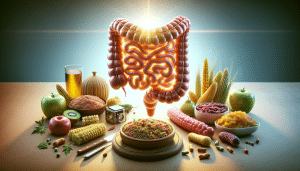
Unlock how simple gut health habits may unlock benefits for body and mind. This guide explores how small daily changes, like mindful eating and fiber choices, can lead to noticeable improvements in digestion and wellness. Discover what researchers and nutritionists have found about the gut’s powerful influence.
Why Gut Health Matters More Than Most Realize
The human gut is sometimes called the body’s “second brain.” That’s not just a catchy phrase; your digestive tract contains millions of neurons, directly communicating with the brain through the gut-brain axis, influencing not only digestion but also emotions and mental clarity. An imbalance of gut bacteria can lead to issues like bloating, discomfort, or even mood swings. Emerging studies suggest that your gut’s state may play a larger role in everything from immunity to sleep quality than previously understood. Addressing gut health is not just about avoiding stomach upset—it’s about supporting every system of the body for long-term health.
Modern life can challenge the delicate ecosystem of the gut. Processed foods, excessive sugar, antibiotics, and stress can upset the microbiome. This imbalance is tied to a rise in conditions such as food intolerances, irritable bowel syndrome, and even anxiety. Many individuals are now seeking evidence-based ways to support gut flora diversity. Simple steps like eating a high-fiber diet, incorporating probiotics, and exercising regularly have been shown to foster a healthier microbiome.
Paying attention to gut wellness habits isn’t about drastic diets or rigid routines. It’s about small choices: adding more plant-based fiber, hydrating well, and chewing mindfully. These daily tweaks promote the growth of beneficial bacteria, which in turn help regulate inflammation and boost nutrient absorption. Long-term, a balanced gut may support resilience against illness and even help maintain a positive outlook by influencing neurotransmitters.
Simple Daily Habits for a Healthier Gut
Nutritionists often recommend that changes start with breakfast. Swapping processed cereals for oatmeal, berries, or yogurt introduces prebiotics and probiotics that nourish the gut. Small choices such as sprinkling flax seeds on your smoothie or including fermented vegetables can be easy yet powerful. Setting a rhythm for your meals—eating at regular times—also helps regulate your digestive system and supports the microbiome’s natural cycles.
Movement matters just as much as what’s on your plate. Research indicates that gentle activities like walking, cycling, and mindful stretching can help stimulate digestive processes. They also reduce stress, which is a known enemy of gut harmony. Even a short walk after meals can promote peristalsis, aiding in smoother digestion. Over time, these habits can bolster both gut and overall wellness, reinforcing the body’s natural defenses.
Hydration is another overlooked hero for gut health. Drinking water gradually throughout the day assists the gut in moving waste efficiently, reduces the risk of constipation, and helps maintain the mucosal lining. Pairing hydration with more colorful, whole foods naturally cultivates microbial diversity. The key is building consistent, simple actions that quickly become routine, rather than searching for a quick fix.
The Role of Probiotics and Prebiotics
Probiotics and prebiotics are two key words in gut health discussions. Probiotics are beneficial bacteria that support the gut’s overall environment. You can find them in fermented foods like yogurt, kefir, sauerkraut, and kimchi. Including even a spoonful of these foods with a meal can deliver these microscopic helpers directly to your digestive tract. They’re linked with easier digestion, reduced bloating, and even support for immune function.
Prebiotics, on the other hand, are fibers that feed your gut’s good bacteria. Common sources include garlic, onions, bananas, and asparagus. Unlike probiotics, which are living organisms, prebiotics are plant-based fibers that survive digestion and help your bacteria flourish. People often overlook prebiotics, but they are critical for sustaining a robust and resilient microbiome.
For maximum gut support, some researchers recommend a blend of both probiotics and prebiotics. This might look like pairing sauerkraut with whole grain toast, or adding sliced bananas to probiotic-rich yogurt. Balancing these two creates a more diverse environment in the gut, which research suggests is tied to better health outcomes and resilience against illness.
Stress, Sleep, and the Gut-Brain Connection
The gut-brain link is a powerful two-way street. Stress can quickly disrupt the rhythm of digestion, causing symptoms like stomach cramps and changes in appetite. Chronic stress also alters the types of bacteria in the gut, sometimes tipping the balance toward less helpful species. Practicing relaxation techniques, such as meditation or deep breathing, has been shown to support gut health indirectly by signaling the body to relax and allowing digestive processes to operate smoothly.
Quality sleep is just as crucial. When sleep is irregular, gut bacteria lose their natural rhythms. Over time, poor rest can reduce the diversity of the microbiome and impair immune defense. Setting a consistent bedtime, limiting electronics in the evening, and aiming for restful hours are strategies that help restore balance in both the brain and the gut.
Some experts suggest that tending to gut wellness may even improve mood resilience. A flourishing gut environment supports the production of neurotransmitters like serotonin, which are crucial for sense of well-being. Over time, new studies point toward a cycle where healthy daily practices in both mental and digestive wellness reinforce each other, resulting in increased clarity and calm.
Choosing Foods That Suit Your Gut Type
Every person’s gut is unique, shaped by genetics, lifelong dietary habits, and even early life experiences. While some thrive with more fiber, others may need to introduce new foods slowly to avoid discomfort. Noticing patterns—such as which meals leave you energized or sluggish—can guide choices. Keeping a simple food diary may reveal hidden sensitivities, helping to tailor your meals to promote optimal digestion and prevent common issues.
The diversity of whole foods is often encouraged by nutrition professionals. Varying your choices ensures a wider range of nutrients and supports a more varied microbiome. Lean proteins, legumes, leafy greens, and low-sugar fruits often feature in gut-friendly plans. Foods with artificial additives, high added sugars, or excessive fats tend to disrupt the natural harmony, so a back-to-basics approach works best.
Those with specific conditions, such as irritable bowel syndrome or lactose sensitivity, may find benefit in exploring structured meal plans like low FODMAP diets under professional guidance. The key takeaway is that flexibility, attention to the signals your body sends, and a willingness to adjust make a world of difference for digestive wellness. What works for one person may not suit another, so it pays to experiment thoughtfully and consult credible nutritional guidance when making significant changes.
Signs of Gut Imbalance and When to Seek Guidance
Trouble in the gut can show up as persistent bloating, fluctuating stool habits, or unexplained fatigue. While occasional digestive discomfort is normal, symptoms that linger may hint at an underlying imbalance in the microbiome or inflammation. Tracking symptoms alongside dietary choices can help pinpoint triggers and guide supportive changes.
Some clues suggest a need for further evaluation. Severe abdominal pain, blood in stool, or significant unexplained weight loss should prompt evaluation by a healthcare professional. Gut health is always personal: guidance from a registered dietitian, nutritionist, or gastroenterologist can offer targeted strategies for managing ongoing concerns while supporting long-term habits that prevent recurrence.
In many cases, reviewing overall lifestyle—stress levels, sleep, movement, and hydration—offers important insights. Tending to these basics may help restore balance. If uncertainty remains, non-invasive stool tests can reveal details about your microbial composition, helping to further tailor changes. Prioritizing gut health isn’t just about comfort. It’s about resilience, energy, and safeguarding a crucial pillar of wellness for the years ahead.
References
1. National Institutes of Health. (n.d.). Human microbiome: Why it matters. Retrieved from https://www.nih.gov/news-events/nih-research-matters/human-microbiome-why-it-matters
2. Harvard T.H. Chan School of Public Health. (n.d.). The gut microbiome. Retrieved from https://www.hsph.harvard.edu/nutritionsource/microbiome/
3. Mayo Clinic. (n.d.). Probiotics and prebiotics: What you need to know. Retrieved from https://www.mayoclinic.org/probiotics-and-prebiotics/art-20390058
4. Cleveland Clinic. (n.d.). 7 ways to improve your gut health. Retrieved from https://health.clevelandclinic.org/ways-to-improve-gut-health/
5. Johns Hopkins Medicine. (n.d.). The brain-gut connection. Retrieved from https://www.hopkinsmedicine.org/health/wellness-and-prevention/the-brain-gut-connection
6. U.S. Department of Agriculture. (n.d.). Choose healthy foods and drinks. Retrieved from https://www.myplate.gov/eat-healthy/what-is-myplate

 Travel Hacking Secrets You Never Knew