Surprising Ways Gut Health Impacts Your Life
Emily Ward October 13, 2025
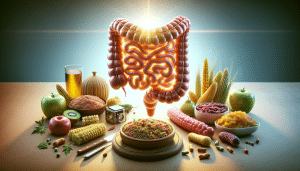
Explore the fascinating link between gut health and overall well-being, from mood changes to immune defense. This comprehensive guide reveals how caring for your microbiome can shape daily vitality, digestion, and even mental focus, supported by science-backed strategies you can learn more about.
Understanding the Gut Microbiome and Its Power
The gut microbiome is a lively ecosystem inside the digestive tract, teeming with trillions of bacteria, viruses, and fungi. These microorganisms work synergistically to break down food, produce essential vitamins, and even communicate with other organs in the body. What many people do not realize is that the balance—or imbalance—of these microbes plays a crucial role not only in digestion but also in how well you feel each day. A growing body of research highlights that nourishing this microbial community can lead to improved overall health, reduced inflammation, and stronger immune defenses. As you learn about gut health, it becomes clear why scientists often call the gut ‘the second brain.’ (Source: https://www.nih.gov/news-events/nih-research-matters/gut-microbes-affect-brain-activity-healthy-people).
Your microbiome can influence many biological systems. Research now reveals a strong gut-brain axis, meaning your digestive tract talks to your brain more than many realize. Some microbes help produce neurotransmitters that affect mood, memory, and focus. Others control inflammation by interacting with immune cells found in the lining of your intestines. This means when gut health becomes disrupted, the impact can spread to your mental clarity, moods, and even sleep patterns. Simple factors such as what you eat, how much you move, and stress management can alter the balance of beneficial bacteria, sometimes within just a few days.
Understanding how the gut microbiome operates empowers you to make better choices for your body and mind. Many practitioners recommend foods rich in fiber, fermented options like yogurt and kimchi, and a diverse diet to naturally support microbial diversity. However, low-fiber, highly processed diets tend to reduce the abundance of beneficial species and may trigger dysbiosis, an imbalance linked to many disorders. Recognizing small shifts in dietary habits could have big gains for your health and energy, and ongoing research keeps unveiling more about the mechanics behind gut health and disease risk.
How Gut Health Supports Immunity
Did you know that up to 70% of your immune system is housed in the gut? This means your digestive tract does more than just break down nutrients—it’s a frontline defender against outside invaders. Healthy gut flora help train immune cells to distinguish between harmful pathogens and harmless substances. When this balance is maintained, your body responds to threats efficiently, reducing unnecessary inflammation (Source: https://www.ncbi.nlm.nih.gov/pmc/articles/PMC2515351/). Many people now see their daily eating habits as tools to avoid frequent illnesses, showing just how foundational gut care can be.
Recent studies underscore that maintaining a healthy gut environment may help lower risk for autoimmune reactions and allergies. As the gut wall acts as a selective barrier, beneficial bacteria regulate immune responses by informing the body when to activate or dampen defense mechanisms. Disrupting the microbiome (often through stress, poor sleep, or excess antibiotics) can weaken this shield, letting harmful agents slip through and ignite unwanted reactions. Individuals often notice that after periods of digestive upset, they may be more likely to get sick or recover slowly from infections.
Foods such as garlic, onions, leeks, and high-fiber vegetables feed beneficial bacteria, increasing the abundance of short-chain fatty acids that calm inflammation and help maintain gut wall integrity. Some practitioners recommend mindful approaches to eating—enjoying meals slowly, reducing high-sugar snacks, and avoiding unnecessary medications when possible—to naturally support immune health at the source. Exploring gut support methods, including the use of certain probiotics, may offer extra tools for those looking to boost resistance to everyday colds and seasonal changes. Talk to a healthcare provider for personalized options if you have ongoing immunity concerns.
The Link Between Gut Health and Mental Well-Being
The phrase ‘gut feeling’ is more than just a saying. The gut-brain connection is a two-way street, with signals traveling back and forth. Around 90% of serotonin receptors, crucial for mood balance, are found in the small intestine. This direct biochemical link means that disruptions in your microbiome can actually influence how happy, calm, or anxious you feel throughout the week. (Source: https://www.health.harvard.edu/diseases-and-conditions/the-gut-brain-connection).
Stress, anxiety, or chronic low moods are often associated with disturbances in gut balance. Individuals experiencing irritable bowel or indigestion sometimes report mood swings or brain fog as well. This pattern has led researchers to study how probiotics and targeted dietary changes may help support mental health. Early evidence, for example, suggests that restoring a healthy bacterial balance may help relieve mild depressive symptoms or improve sleep quality. Some practitioners now incorporate gut-focused approaches alongside traditional therapies.
Exploring ways to support gut health can become part of a holistic approach to emotional and cognitive well-being. Consistent routines, stress management practices like meditation, and eating for microbial diversity may all offer benefits. While the science is still evolving, more people are asking about the connection between nutrition, digestion, and mental health. Making small changes and tracking shifts in mood or clarity is one way to discover what works best for individual needs—always in consultation with a healthcare provider if persistent symptoms appear.
Everyday Foods That Shape Your Microbiome
The phrase ‘you are what you eat’ is especially true for gut health. Foods high in dietary fiber—such as whole grains, beans, and a spectrum of fruits and vegetables—act as natural fuel for the beneficial bacteria in your gut. Research shows that when people eat diverse, plant-rich diets, their microbial communities become more robust, supporting digestion, energy, and reducing risks for chronic problems. (Source: https://www.cdc.gov/nutrition/data-statistics/know-your-limit-for-added-sugars.html).
Fermented foods—such as yogurt, kefir, sauerkraut, and kombucha—provide natural sources of live probiotics that help populate the gut with friendly bacteria. These products can be easily added to breakfast routines or snacks, offering convenient, tasty ways to nourish the microbiome. At the same time, limiting ultra-processed foods and added sugars could prevent overgrowth of less beneficial organisms, which contribute to bloating, sluggishness, and unwanted cravings. Balancing intake is key: variety, not restriction, leads to a healthier gut environment.
For many, exploring new recipes, adding fiber supplements if recommended by a healthcare provider, or simply swapping in one colorful vegetable a day can have a noticeable effect over time. Observing digestive comfort, regularity, and even mood improvements may signal that your gut community is thriving. Remember, everybody responds differently, so gradual adjustments aligned with medical advice can ensure positive results and long-term satisfaction on your wellness journey.
Common Disruptors of Gut Balance and How to Address Them
Several everyday habits can disturb the natural balance of the gut microbiome. Frequent use of antibiotics, high-stress levels, diets low in fiber or rich in added sugars, and inconsistent sleep patterns can all reduce microbial diversity. Such changes often show up as bloating, irregularity, or even unexplained shifts in mood or focus. Understanding these connections can empower you to make gentle improvements, such as incorporating stress-reducing activities, seeking out immune-supportive foods, or ensuring restful evenings. (Source: https://www.ncbi.nlm.nih.gov/pmc/articles/PMC7071227/).
Medication use is sometimes necessary but should always be monitored. If you or your provider notice that antibiotics or other prescriptions could be affecting your digestion or comfort, simple supports—like targeted probiotics or extra hydration—might help. Dietary changes, such as increasing variety and decreasing intake of processed snacks, can also create a fertile environment for beneficial bacteria to thrive. Sleep hygiene is another area to consider; the microbiome follows circadian rhythms just like you do, meaning regular bedtimes could support a happier gut.
There are signs that adjusting lifestyle habits, from eating slowly and mindfully to lowering screen time at night, can benefit gut health. Some individuals explore mindfulness techniques or light activity, such as walking, to aid digestion and promote resilience against daily stress. Reviewing routines, tuning into how your body feels, and consulting a professional if symptoms persist are practical steps toward restoring stability and enjoying renewed wellness over time.
Exploring New Frontiers in Gut Health: Probiotics and Beyond
Interest in probiotics and prebiotics continues to rise as more people seek out ways to optimize gut health. Probiotics are live microorganisms that, when taken in adequate amounts, may support a healthy microbial balance. Prebiotics, found in foods like bananas, garlic, and chicory root, feed the beneficial bacteria already present in your gut. Integrating both can be part of a broader strategy to maintain gut diversity, according to ongoing clinical trials and emerging recommendations. (Source: https://www.ncbi.nlm.nih.gov/pmc/articles/PMC5641835/).
Not all supplements or probiotic strains are created equal. It’s important to evaluate options with a healthcare provider, keeping individual conditions in mind. The evolving science behind microbiome research reveals that tailored approaches often work best. Some individuals benefit from periodic probiotic courses after illness or travel, while others focus on regular inclusion of prebiotic-rich foods. The landscape will only continue expanding as scientists uncover more about personalized gut support.
It is an exciting time to pay attention to gut health, with novel therapies and at-home testing kits making research more accessible. For those curious to dive deeper, credible resources and future advancements will widen the range of strategies for sustaining wellness and resilience. Monitoring how changes affect digestion, energy, and even cognition can help you find the optimal balance for long-term vitality.
References
1. National Institutes of Health. (n.d.). Gut microbes affect brain activity in healthy people. Retrieved from https://www.nih.gov/news-events/nih-research-matters/gut-microbes-affect-brain-activity-healthy-people
2. Round, J. L., & Mazmanian, S. K. (2009). The gut microbiota shapes intestinal immune responses during health and disease. Retrieved from https://www.ncbi.nlm.nih.gov/pmc/articles/PMC2515351/
3. Harvard Health Publishing. (n.d.). The gut-brain connection. Retrieved from https://www.health.harvard.edu/diseases-and-conditions/the-gut-brain-connection
4. Centers for Disease Control and Prevention. (n.d.). Know your limit for added sugars. Retrieved from https://www.cdc.gov/nutrition/data-statistics/know-your-limit-for-added-sugars.html
5. Vemuri, R., & Gundamaraju, R. (2020). Gut microbiota and health – A personal perspective. Retrieved from https://www.ncbi.nlm.nih.gov/pmc/articles/PMC7071227/
6. Hill, C., Guarner, F., & Reid, G. (2014). Expert consensus document: The International Scientific Association for Probiotics and Prebiotics consensus statement on the scope and appropriate use of the term probiotic. Retrieved from https://www.ncbi.nlm.nih.gov/pmc/articles/PMC5641835/

 Secrets You Can Use for Glowing Skin Daily