Smart Home Devices That Improve Efficiency
Thomas Blake October 8, 2025
Smart homes are no longer futuristic concepts; they have become part of everyday life. In 2025, more households are turning to technology not only for convenience but also for efficiency. From energy management and time-saving automation to streamlined household tasks, smart home devices that improve efficiency are transforming the way we live.
Moreover, as lifestyles become busier, people want solutions that reduce effort and save valuable time. Consequently, smart devices are designed to handle repetitive tasks, optimize resource use, and integrate seamlessly with daily routines. The result is a more productive, sustainable, and stress-free home environment.
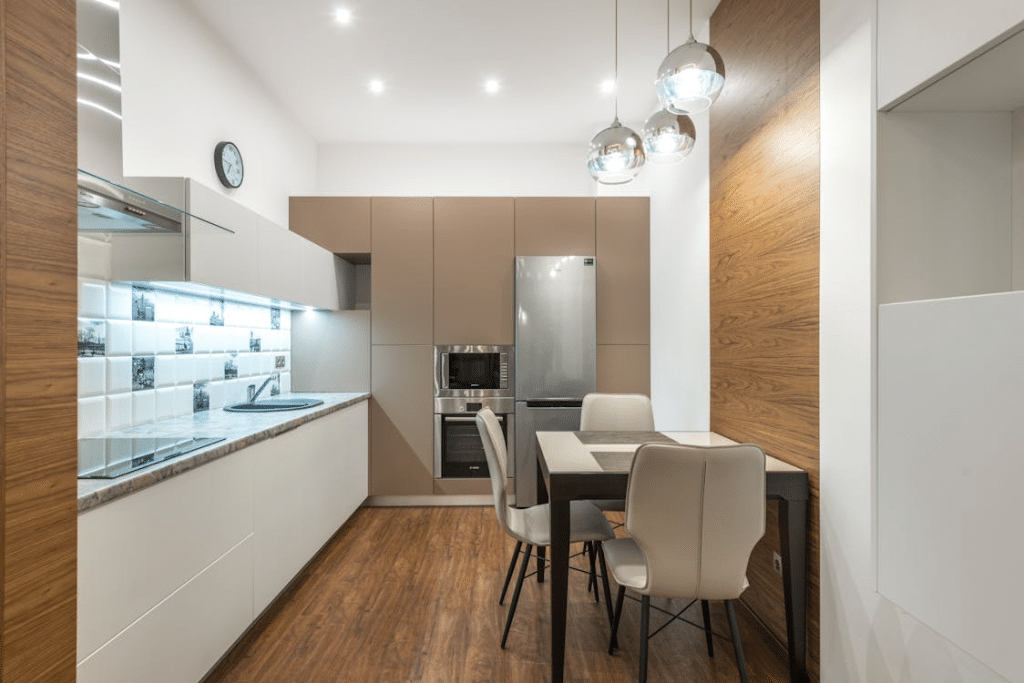
Why Smart Devices Improve Efficiency
Efficiency in a modern household is not only about saving time—it is also about reducing energy waste, lowering costs, and simplifying complex tasks. For instance:
- Automation removes the need for constant manual adjustments.
- Connectivity ensures devices work together through centralized apps.
- Data-driven insights allow users to track usage and optimize performance.
Therefore, smart devices go beyond luxury; they provide practical benefits that enhance productivity and sustainability.
Smart Home Devices That Improve Efficiency
1. Smart Thermostats
Heating and cooling are among the largest energy expenses in most homes.
- Smart thermostats learn daily routines and adjust temperatures automatically.
- They can be controlled remotely via smartphones.
- Energy reports help homeowners save money while reducing environmental impact.
As a result, users enjoy comfort without wasting energy.
2. Voice-Activated Assistants
Voice technology continues to simplify daily routines.
- Devices like Amazon Alexa, Google Assistant, or Apple’s Siri manage schedules and reminders.
- Voice commands reduce the need for manual interactions.
- Integration with other smart devices enables hands-free control.
Consequently, voice assistants function as central hubs for efficiency.
3. Smart Lighting Systems
Lighting is essential for both productivity and comfort.
- Automated schedules turn lights on or off depending on time of day.
- Motion sensors prevent wasted electricity in unused rooms.
- Adjustable brightness and color improve mood and focus.
Therefore, smart lighting combines energy savings with personalized control.
4. Robotic Vacuums and Mops
Household cleaning no longer requires hours of effort.
- Robotic vacuums map rooms and adjust cleaning routes.
- Many models also include mopping features for hard floors.
- Scheduled cleaning ensures homes stay tidy with minimal human input.
Thus, robotic cleaning devices save time while maintaining hygiene.
5. Smart Plugs and Power Strips
Even traditional appliances become efficient with smart plugs.
- Users can schedule devices to turn off automatically.
- Power usage tracking reveals hidden energy drains.
- Integration with voice assistants allows remote control.
This small upgrade significantly reduces energy waste.
6. Smart Refrigerators
Food management is easier with advanced appliances.
- Built-in sensors track expiration dates and suggest recipes.
- Touchscreens allow grocery list creation.
- Remote access lets users check inventory while shopping.
As a result, smart refrigerators minimize food waste and streamline meal planning.
7. Home Energy Monitors
Monitoring energy use encourages smarter consumption.
- Devices provide real-time insights into electricity usage.
- Notifications alert homeowners about unusual consumption.
- Data helps identify which appliances waste the most energy.
Consequently, energy monitors promote sustainability and lower bills.
8. Smart Security Systems
Efficiency also includes peace of mind.
- Cameras, doorbells, and locks can be managed remotely.
- Automated alerts notify homeowners about unusual activity.
- Integrated systems reduce reliance on traditional locks and alarms.
Therefore, smart security saves time while improving safety.
9. Smart Kitchen Appliances
Cooking has become faster and more intuitive.
- Smart ovens and multicookers allow remote monitoring.
- Recipe integration ensures correct cooking times and temperatures.
- Automatic shut-offs prevent accidents and wasted energy.
These tools enhance both efficiency and confidence in the kitchen.
10. Smart Irrigation Systems
Outdoor spaces also benefit from smart solutions.
- Sensors measure soil moisture and weather data.
- Irrigation schedules adjust automatically to avoid water waste.
- Apps provide real-time updates on garden health.
As a result, smart irrigation supports both efficiency and sustainability.
Practical Tips for Maximizing Smart Home Efficiency
- Start with one device category before expanding.
- Choose products compatible with each other to avoid fragmentation.
- Use automation features fully instead of manual adjustments.
- Regularly update apps and software for improved functionality.
- Monitor performance data to fine-tune efficiency.
By applying these strategies, homeowners ensure their smart investments deliver maximum value.
Trends in Smart Home Efficiency for 2025
The smart home market continues to evolve rapidly. Current trends include:
- AI-driven personalization – Devices predict user needs based on past behavior.
- Sustainability focus – Energy and water-saving features are now top priorities.
- Interoperability – Standardized platforms ensure devices work together seamlessly.
- Hybrid work integration – Homes double as efficient workspaces.
- Affordable adoption – Wider product ranges make smart tech accessible to more households.
Thus, smart homes in 2025 are designed not only for convenience but also for sustainability and inclusivity.
The Bottom Line
Efficiency is one of the biggest advantages of smart technology. By adopting smart home devices that improve efficiency, individuals save time, reduce energy waste, and simplify daily life. From thermostats and lighting to appliances and security systems, the options available today allow every household to build a more functional and sustainable living space.
In conclusion, smart homes are no longer optional—they are the new standard for those who value productivity, comfort, and long-term sustainability.
References
- CNET. (2025). Best smart home devices for efficiency and convenience. Retrieved from https://www.cnet.com
- TechRadar. (2024). Smart home trends reshaping daily life. Retrieved from https://www.techradar.com
- The Verge. (2025). How smart devices improve energy and time management. Retrieved from https://www.theverge.com

 Gardening Tips That Maximize Seasonal Growth