Steps to Build a Personal Wellness Routine That Sticks
Emily Ward September 18, 2025
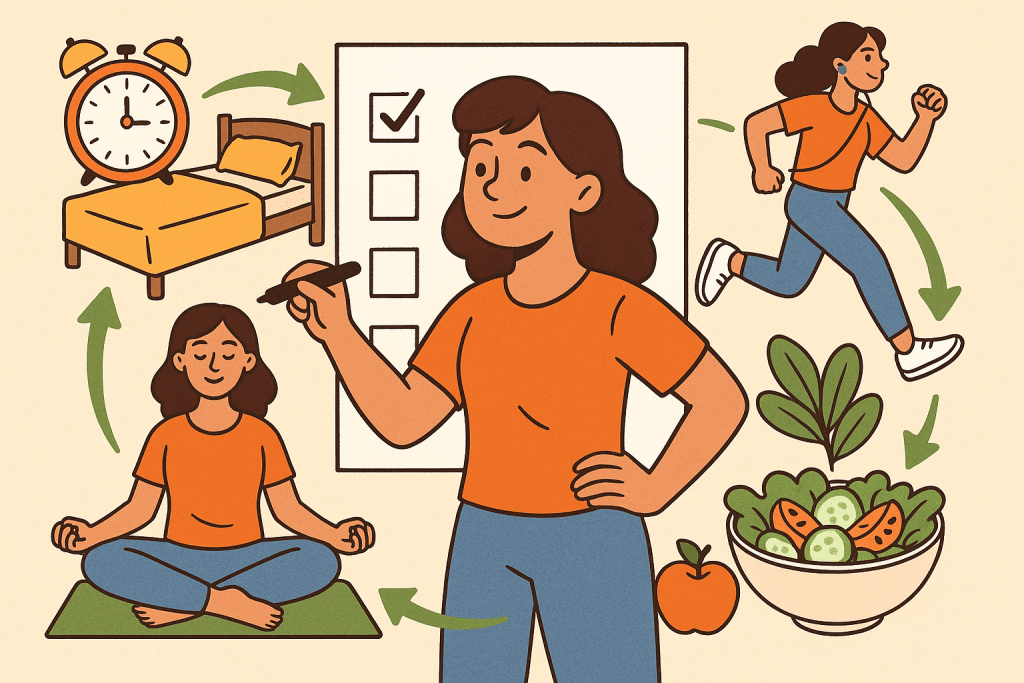
Creating a healthier lifestyle doesn’t require an overhaul overnight—it’s about small, intentional actions that grow into sustainable habits. These steps to build a personal wellness routine that sticks will help you prioritize health, balance, and consistency in a way that feels achievable and long-lasting.
Why Many Wellness Routines Fail
Before diving into what works, it’s worth noting why so many routines collapse after just a few weeks:
- Overambitious goals that feel unmanageable. Many people set lofty resolutions—such as hitting the gym every day or cutting out entire food groups—which quickly becomes unsustainable. Studies show that individuals who set excessively difficult goals are more likely to abandon them early due to frustration and burnout (Locke & Latham 2002).
- Lack of alignment with personal values or lifestyle. A wellness routine that doesn’t fit into your daily life or feels disconnected from your priorities will always feel like a burden. When health goals are not intrinsically motivating, the chances of adherence drop significantly (Ryan & Deci 2000).
- Minimal accountability and structure. Without systems of support—whether from friends, coaches, or tracking tools—it’s easy to drift away from consistency. Research highlights that accountability mechanisms, such as group programs or digital reminders, substantially increase adherence to wellness plans (Burke et al. 2011).
- Ignoring the role of rest, recovery, and mental well-being. Many routines focus solely on physical effort while neglecting mental health, sleep, and recovery time. This imbalance can lead to fatigue, stress, and eventual abandonment of the plan (Kreher & Schwartz 2012).
In fact, research has shown that nearly 80% of people abandon new health-related goals within two months, often due to unrealistic expectations and lack of consistency (Norcross et al. 2012). The good news? By following proven strategies, you can avoid this cycle and finally build routines that last.
Step 1: Start Small and Layer Habits Gradually
The foundation of any routine is starting small. Behavioral psychology suggests that “tiny habits” compound into major lifestyle changes over time. For example:
- Instead of vowing to run five miles daily, start with a 10-minute walk.
- Drink one extra glass of water per day rather than forcing a gallon overnight.
- Add one vegetable to your meals instead of switching entirely to a new diet.
This method, known as habit stacking, uses existing behaviors to trigger new ones. As explained in The European Journal of Social Psychology, it takes an average of 66 days for a new behavior to become automatic (Lally et al. 2010).
Step 2: Anchor Wellness to Your Core Values
A sustainable routine isn’t about chasing quick fixes—it’s about connecting your health goals to what matters most.
Ask yourself:
- Do I want more energy to play with my kids?
- Am I aiming for longevity to reduce chronic disease risks?
- Is stress reduction a priority for my mental clarity at work?
When wellness practices are tied to deeper motivations, they feel less like obligations and more like life-enhancing choices.
Step 3: Build Functional Movement Into Your Day
Fitness is a cornerstone of wellness, but traditional “workouts” don’t always stick. Instead, focus on functional movement: exercises that mimic real-life actions and improve mobility, strength, and balance.
Examples include:
- Squats for easier lifting.
- Walking lunges for stair climbing.
- Resistance band pulls for posture correction.
Functional fitness has been shown to improve long-term adherence compared to rigid, high-intensity routines, particularly in middle-aged adults (Thompson et al. 2021).
Step 4: Protect Your Sleep Like a Non-Negotiable
Sleep is one of the most overlooked components of wellness. Without it, even the best diet and exercise plans crumble. Studies have consistently linked poor sleep with weight gain, anxiety, and reduced immune function (Hirshkowitz et al. 2015).
Practical ways to enhance sleep:
- Maintain consistent bed/wake times.
- Avoid blue light an hour before bed.
- Create a dark, cool, distraction-free sleep environment.
Think of sleep not as “rest” but as active recovery that fuels every other step in your routine.
Step 5: Nutrition as Nourishment, Not Restriction
Extreme diets rarely stick. Instead, sustainable nutrition focuses on balance and flexibility.
Trends for 2025 suggest three dominant approaches to eating well while maintaining consistency:
- Mediterranean-style meals – high in fruits, vegetables, olive oil, and lean proteins.
- Mindful eating practices – slowing down meals to recognize hunger and fullness cues.
- Personalized nutrition apps – AI-powered tracking that tailors recommendations to your lifestyle.
A systematic review in Nutrients Journal found that mindful eating significantly improves long-term adherence to healthy food choices (Carrière et al. 2020).
Step 6: Prioritize Mental Health Daily
Wellness isn’t just physical—it’s equally about emotional stability. Daily rituals like journaling, breathwork, or meditation can reduce cortisol levels and increase resilience.
Emerging tools like digital CBT (Cognitive Behavioral Therapy) apps and VR-based relaxation sessions are expanding access to mental wellness practices. These methods show promising results for anxiety and stress reduction (Firth et al. 2017).
Step 7: Track, Reflect, and Adjust Regularly
What gets measured improves. Whether it’s through wearables, wellness journals, or simple checklists, tracking progress creates accountability.
Reflection is equally critical. Ask yourself weekly:
- What worked well?
- Where did I struggle?
- What one adjustment can I make for next week?
Consistency comes from iteration, not perfection.
Step 8: Build a Supportive Environment
No routine succeeds in isolation. Your social and physical environment shapes your habits more than willpower does.
- Surround yourself with people who support your goals.
- Keep healthy snacks visible, unhealthy ones hidden.
- Join online or local wellness communities for accountability.
According to the American Journal of Lifestyle Medicine, social support is one of the strongest predictors of long-term health behavior adherence (Estabrooks et al. 2005).
The Emerging Trend: Bioindividual Wellness
One of the hottest shifts in wellness today is bioindividuality—the idea that routines should be tailored to your unique biology, lifestyle, and genetics.
Examples include:
- Wearables like Oura or WHOOP to monitor recovery.
- Personalized supplement plans based on bloodwork.
- Epigenetic testing to guide diet and exercise choices.
This trend moves away from “one-size-fits-all” wellness and into precision routines that adapt with you.
Conclusion
The steps to build a personal wellness routine that sticks are not about rigid perfection but sustainable progress. By starting small, aligning with your values, prioritizing functional fitness, protecting sleep, nourishing mind and body, and leaning on support, you can create a routine that lasts well beyond the typical two-month drop-off.
The future of wellness is personalized, functional, and rooted in consistency. Start today with one small step—and let that step evolve into a lifetime of balance.
References
- Harvard Health Publishing. (2021). 4 steps to a healthy lifestyle. Harvard Medical School. Available at: https://www.health.harvard.edu (Accessed: 18 September 2025).
- American Heart Association. (2022). Healthy lifestyle changes for wellness. Available at: https://www.heart.org/en (Accessed: 18 September 2025).
- Mayo Clinic Staff. (2023). Healthy lifestyle: 5 keys to a longer life. Mayo Clinic. Available at: https://www.mayoclinic.org/healthy-lifestyle (Accessed: 18 September 2025).

 Emerging Travel Destinations With Unique Culinary Experiences