Interior Design Solutions That Enhance Comfort
Thomas Blake October 3, 2025
Comfort is a critical aspect of interior design, directly impacting both mental well-being and physical relaxation. According to Houzz, a comfortable living space reduces stress, improves productivity, and encourages positive social interactions. Comfort in design is not just about aesthetics—it involves ergonomics, lighting, air quality, acoustics, and thoughtful furniture placement. Creating a space that prioritizes comfort requires a balance between functionality, style, and personal preferences.
Choosing Ergonomic Furniture
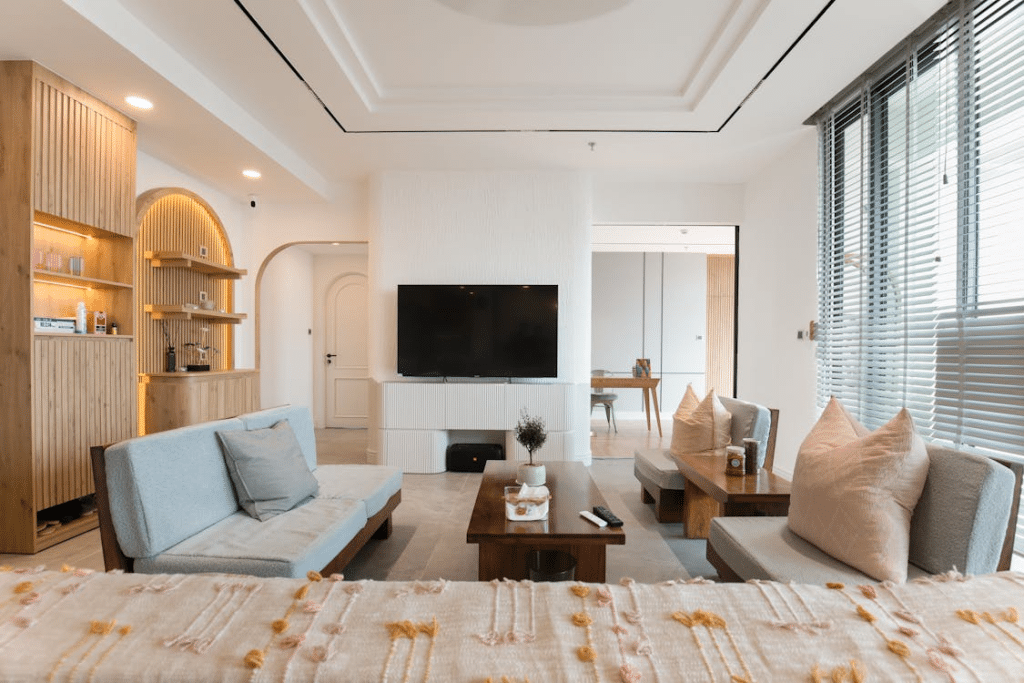
Ergonomic furniture is essential for physical comfort, particularly in spaces where people spend long hours, such as living rooms, home offices, and bedrooms. Properly designed chairs, desks, and sofas support posture, reduce strain, and prevent long-term musculoskeletal issues. Key considerations include:
- Adjustable chairs and desks for optimal alignment
- Sofas and armchairs with appropriate lumbar support
- Beds and mattresses that balance firmness and softness for restful sleep
Investing in ergonomic furniture ensures long-term health benefits while enhancing the overall comfort of the space.
Lighting Design for Comfort and Mood
Lighting significantly influences mood, focus, and relaxation. According to Lighting Research Center, natural light improves cognitive performance and reduces stress, while artificial lighting can be adjusted to create warm, inviting environments. Strategies include:
- Maximizing natural light with windows, skylights, and reflective surfaces
- Layering lighting with ambient, task, and accent options
- Using dimmers and adjustable fixtures to control intensity
- Incorporating warm light tones in relaxation areas and cooler tones in workspaces
Thoughtful lighting design enhances both visual comfort and emotional well-being.
Optimal Layout and Space Planning
The arrangement of furniture and functional areas affects movement, social interaction, and overall comfort. Effective layout strategies include:
- Maintaining clear pathways for ease of movement
- Separating functional zones in open-plan spaces, such as work, relaxation, and dining areas
- Orienting furniture to maximize views, natural light, and social interaction
- Avoiding clutter by using multipurpose furniture and efficient storage solutions
A well-planned layout improves spatial efficiency and creates a sense of calm and order.
Material Selection for Comfort
Material choices influence sensory comfort, durability, and indoor air quality. Key considerations include:
- Soft textiles: Cushions, rugs, and curtains enhance tactile comfort and warmth
- Sustainable materials: Natural wood, bamboo, and low-VOC paints reduce environmental impact and improve air quality
- Temperature control: Materials with thermal properties, like wool or cork, contribute to consistent indoor temperatures
Selecting the right materials combines aesthetic appeal with functional benefits, supporting both comfort and well-being.
Incorporating Biophilic Design
Biophilic design, which emphasizes the connection between humans and nature, enhances both comfort and mental health. According to Terrapin Bright Green, incorporating natural elements reduces stress, improves concentration, and increases overall satisfaction with the living environment. Strategies include:
- Indoor plants to improve air quality and provide visual calm
- Natural textures and patterns in flooring, furniture, and decor
- Views of outdoor landscapes through windows and glass doors
- Water features or natural sounds to create relaxing ambient environments
Biophilic design promotes a sense of tranquility and comfort, bridging the gap between indoor spaces and nature.
Controlling Acoustics for Relaxation
Noise can significantly affect comfort and mental well-being. Interior design solutions for sound control include:
- Carpets, rugs, and curtains to absorb sound
- Acoustic panels or wall treatments to reduce echo
- Strategic furniture placement to buffer noise
- White noise machines or soft background music to create soothing environments
Managing acoustics ensures that spaces remain calm and conducive to relaxation or focused work.
Personalization and Emotional Comfort
Personal touches enhance emotional comfort, making a space feel familiar and inviting. Considerations include:
- Displaying meaningful objects, photos, or artwork
- Using color schemes that evoke positive emotions
- Incorporating textures and scents that create a sense of warmth
- Arranging spaces according to personal routines and preferences
Personalized design fosters a sense of belonging and emotional ease within the environment.
Integrating Smart Home Technology
Smart home devices can improve comfort by automating lighting, temperature, and security. Examples include:
- Programmable thermostats for optimal indoor climate
- Smart lighting systems that adjust intensity and color based on activity or time of day
- Automated window treatments for convenience and energy efficiency
- Voice-activated assistants to control entertainment, security, and appliances
Integrating technology seamlessly into interior design enhances convenience, comfort, and efficiency.
Maintaining Cleanliness and Organization
A clean and organized environment contributes to both physical and mental comfort. Effective strategies include:
- Decluttering regularly and using efficient storage solutions
- Implementing easy-to-clean surfaces and materials
- Establishing daily or weekly cleaning routines
- Organizing items according to usage and accessibility
Well-maintained spaces reduce stress, improve usability, and support overall comfort.
Conclusion
Interior design solutions that enhance comfort require a holistic approach, considering ergonomics, lighting, layout, materials, biophilic elements, acoustics, personalization, technology, and organization. By thoughtfully integrating these aspects, spaces can provide physical ease, emotional well-being, and practical functionality. Comfortable interiors improve quality of life, promote relaxation, and encourage productivity, making them essential for modern living.
References:
- Houzz. (2023). Designing Comfortable Homes. https://www.houzz.com
- Lighting Research Center. (2022). The Impact of Lighting on Comfort and Mood. https://www.lrc.rpi.edu
- Terrapin Bright Green. (2022). 14 Patterns of Biophilic Design. https://www.terrapinbrightgreen.com
- American Society of Interior Designers. (2023). Ergonomics and Comfort in Home Design. https://www.asid.org

 Fitness Challenges That Keep You Motivated