Travel Experiences That Encourage Reflection and Creativity
Thomas Blake September 22, 2025
In a world overloaded by constant stimulation and screen time, reflective creative travel experiences are emerging as a sought-after trend. These are journeys designed not just for sightseeing, but for slowing down, creating, and rethinking one’s life—or at least part of it—in a more inspired way.
What Are Reflective Creative Travel Experiences?
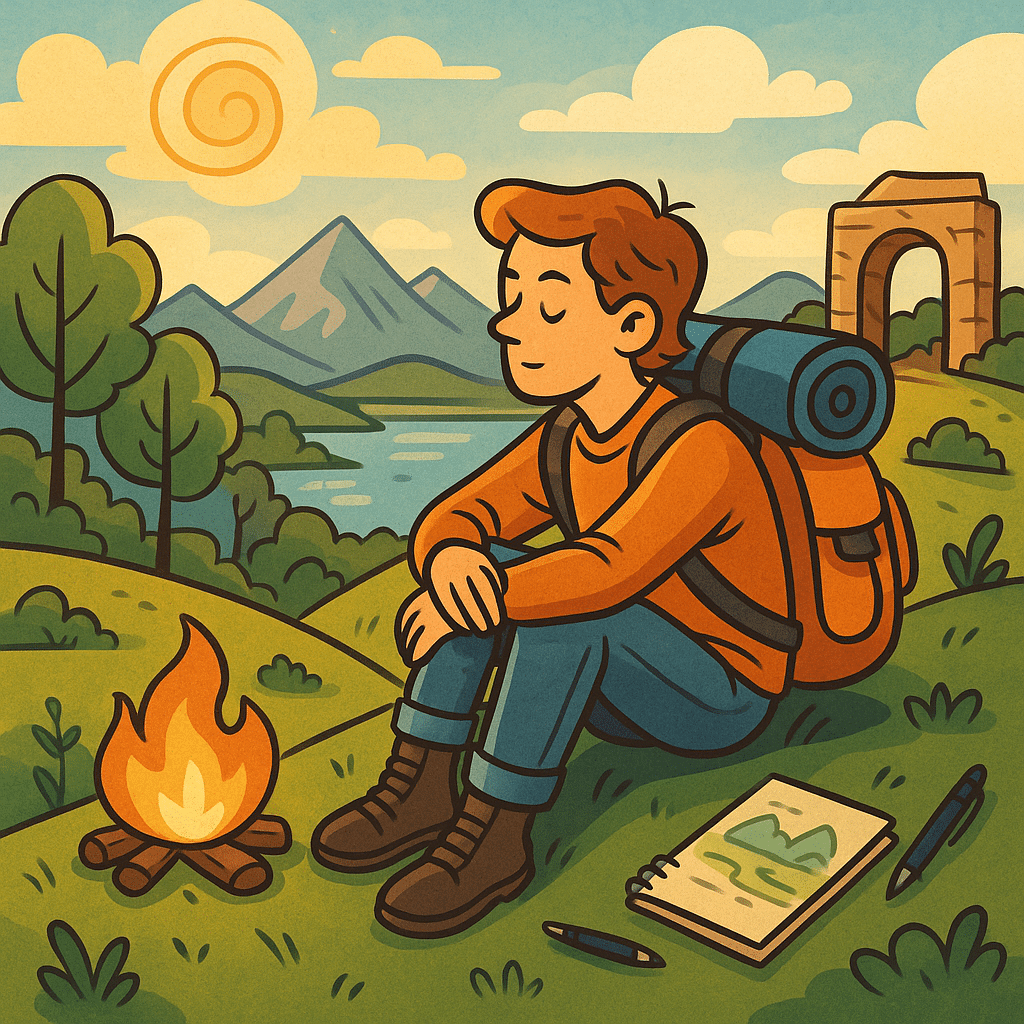
“Reflective creative travel experiences” is a term to describe travel that encourages introspection, creativity, and more meaningful engagement with both self and environment. Think: writing in a mountain cabin, strolling through botanical gardens sketching flora, attending silent retreats or workshops that combine nature, art, and mindful presence. These are not just escapes—they are opportunities for growth, clarity, and artistic or emotional renewal.
Why They’re Hot Right Now
Several forces are driving the rise in popularity of these experiences:
- Wellness + Mental Health Priority
Wellness tourism is growing rapidly. According to Virtuoso, travellers are now seeking feel-good getaways—from low-tech immersed nature experiences to biohacking wellness retreats. - Desire for Meaning & Silence
After years of digital noise, many are turning toward silence, introspection, and creative expression. Silent travel, silent retreats, or simply low-stimulus environments are becoming more common. - Sustainability & Regenerative Travel
Travellers increasingly want experiences that connect them to nature and have a lower environmental footprint. Regenerative agriculture / agritourism stays are emerging as powerful ways to reflect on humanity’s relationship to the land. - Science Is Validating the Benefits
Research shows that reflection during travel helps convert fleeting emotions into lasting meaning, and that creative immersion improves problem-solving and emotional resilience.
Types of Reflective Creative Travel Experiences You Can Try
Here are concrete kinds of travel experiences that foster creativity and reflection—with examples of what makes them work.
| Type | What It Offers | Why It Encourages Reflection / Creativity |
|---|---|---|
| Creative Retreats / Workshops | Art, writing, music, photography workshops in retreats away from urban noise | Removes distractions, provides structure and community, often prompts new perspectives and projects. |
| Silent or Minimal-Stimulus Travel | Silent cafes / wilderness retreats / digital detoxes | Silence allows the mind to settle; reduces cognitive overload; improves attentional capacity and introspection. |
| Regenerative Farm & Agritourism Stays | Working on organic farms, learning food cultivation, cooking with local produce | Engages senses, links to nature’s cycles, fosters groundedness and purpose. |
| Night-Based Exploration (“Noctourism”) | Stargazing, exploring natural dark-sky areas, night markets, moonlit walks | The night invites different senses; fewer crowds; more introspection under sky and stars. |
| Nature Immersion & Forest Bathing | Walking in old forests, foraging, listening to forest sounds, rural solitude | Nature restores depleted attention (attention restoration theory) and triggers awe; creativity often flourishes when mind is lightly engaged. |
How Reflective Creative Travel Experiences Work (Psychological Mechanisms)
Understanding why these trips have impact can help in choosing or designing them.
- Reflection & Meaning-Making: Research shows that when travellers reflect on their experiences—journaling, art-making, or discussions—they convert short-term feelings into long-term values and goals.
- Attention Restoration: Being in nature or low-stimulus settings restores directed attention (mental energy used in focus), giving space for creativity.
- Psychological Flexibility: Travel that challenges routines yet provides safety helps people increase adaptability, reduce stress, and open up mental space.
- Awe & Novelty: Encounters with beauty, unfamiliar environments, or sensory novelty boost creativity. These kinds of experiences broaden thinking.
Guide: How to Plan Your Own Reflective Creative Travel Experience
Here’s how to design and carry out a trip that actually encourages reflection and creativity. Use these steps whether you’re planning a solo retreat, a getaway with friends, or a workshop-integrated trip.
1: Define Your Intent
- What do you want to reflect on? Life purpose? Creativity block? Emotional reset?
- What creative forms resonate with you? Writing, sketching, photography, sculpting, journaling, etc.
2: Choose the Right Environment
- Seek places with minimal digital distractions—remote nature, quiet towns, or retreats specifically offering digital detox packages.
- Select natural settings with sensory richness: shores, forests, mountains, agricultural landscapes.
- For creativity workshops, find hosts or guides that integrate local culture, art, or craft.
3: Plan for Structured + Unstructured Time
- Include scheduled workshops or guides (e.g. art class, meditation, writing circle).
- But leave free/unstructured periods—wandering, reflection, sketching, journaling. These often yield surprising insights.
4: Tools & Rituals to Aid Reflection
- Bring a journal, sketchpad, or camera. Use prompts (e.g. daily reflection questions).
- Consider rituals: morning walks, silence after dinner, nature sitting, moonlight observation.
5: Practise Sustained Digital Detachment
- Limit screen time. Maybe designate one hour per day to check messages, otherwise stay offline.
- Use “technology sabbath” principles—no notifications, social media, etc., during key creative/reflection phases.
6: Stay Longer, or Process After
- Even short trips can help, but longer stays (5-10 days) give more space for ideas to germinate.
- After travel: revisit your journal, photos, creative works; integrate insights into daily life.
Examples & Emerging Destinations
To illustrate, here are a few types of existing or rising offerings:
- Creative retreats in rural UK (storytelling, painting, myth exploration) blending with nature and local lore.
- Regenerative farm stays where guests help with farming tasks and dine on farm-fresh meals; properties that combine design, sustainability, hands-on work.
- Silent travel / “calmcation” packages in luxury resorts that embed digital detox and mindfulness + creative tools (journals, art supplies).
- Noctourism: exploring experiences after dusk—dark sky parks for stargazing, evening forest walks, city illumination tours.
Potential Challenges & How to Overcome Them
- Cost & Logistics: Retreats or remote stays can be expensive or hard to reach. Tip: look for off-season deals or local creative retreats.
- Overexpectation: Expecting epiphany can lead to disappointment. Tip: frame it as exploration rather than guarantee.
- Comfort Zone Resistance: Silence, solitude, or unstructured time may feel uncomfortable if you’re used to structured, busy life. Tip: start small (weekend or 3 days) to build comfort.
- Sustainability & Impact: Choose hosts and accommodations that practice eco-friendly, ethical approaches to reduce travel guilt.
Why It Matters: Wider Implications
- These travel experiences may reshape how people work and create: more artists, remote workers, or creatives mixing travel and projects.
- They can influence mental health norms: showing that rest, doing less, reflecting are valuable—not just hustle.
- In tourism industry, providers are rethinking offer‐sets: combining wellness, creativity, nature.
Conclusion
Reflective creative travel experiences are shaping up to be more than a niche—they’re answering one of the deeper longs of our time: to pause, to create, to reconnect. Whether you pick a silent retreat under starlight, a regenerative farm stay, or a creative workshop in nature, what’s important is intention, space, and the courage to slow down. When you travel this way, your journey isn’t just external—it becomes internal too.
References
- Richards, G. (2018) Cultural tourism: A review of recent research and trends. Journal of Hospitality and Tourism Management, 36, pp. 12-21. Available at: https://doi.org/10.(Accessed: 22 September 2025).
- Smith, M.K. and Diekmann, A. (2017) Tourism and wellbeing. Annals of Tourism Research, 66, pp. 1-13. Available at: https://doi.org/10.1016/j (Accessed: 22 September 2025).
- UNESCO (2020) The transformative power of culture and travel. Available at: https://unesdoc.unesco.org/ark: (Accessed: 22 September 2025)

 DIY Gardening Projects That Transform Outdoor Spaces