How Smart Cities Are Reshaping Urban Living
Ryan Collins September 22, 2025
The rapid evolution of urban environments has led to the emergence of smart cities—urban areas that leverage technology and data to improve infrastructure, governance, and quality of life. How smart cities are reshaping urban living involves innovations in transportation, energy management, public services, and citizen engagement. By integrating smart solutions, cities become more efficient, sustainable, and responsive to residents’ needs.
This article explores the key innovations driving smart cities, their benefits, and how they are transforming the way people live, work, and interact in urban environments.
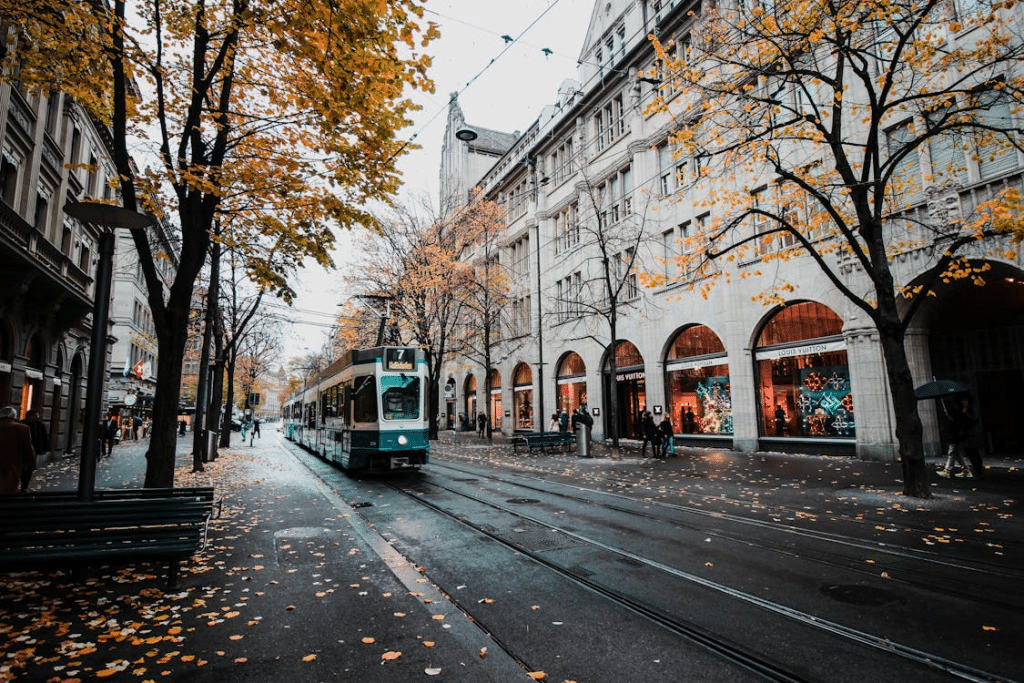
1. Intelligent Transportation Systems
Smart cities optimize mobility and reduce congestion through data-driven transportation solutions.
- Implement real-time traffic monitoring and adaptive signal control to manage flow.
- Promote shared mobility, e-scooters, and smart parking to reduce vehicle congestion.
- Use predictive analytics to anticipate peak traffic patterns and adjust services.
According to MIT Technology Review (2023), intelligent transportation reduces commute times, lowers emissions, and improves overall urban efficiency.
2. Energy-Efficient Infrastructure
Smart buildings and energy management systems reduce consumption and enhance sustainability.
- Incorporate IoT-enabled energy monitoring for lighting, HVAC, and appliances.
- Utilize renewable energy integration and smart grids for efficient distribution.
- Deploy sensor-driven maintenance to optimize operational efficiency.
Forbes (2023) notes that energy-efficient infrastructure lowers environmental impact while decreasing costs for residents and municipalities.
3. Data-Driven Urban Governance
Data analytics inform decision-making and enhance city management.
- Collect data from sensors, cameras, and citizen apps to monitor services and resources.
- Use predictive modeling to plan urban development and allocate resources efficiently.
- Engage citizens through digital platforms to provide feedback and report issues.
World Economic Forum (2022) highlights that data-driven governance improves transparency, responsiveness, and urban planning effectiveness.
4. Internet of Things (IoT) Integration
IoT connects devices and systems for real-time monitoring and automation.
- Implement smart sensors for waste management, water quality, and air pollution monitoring.
- Connect public utilities and services for coordinated operation and maintenance.
- Use IoT-enabled devices to provide citizens with actionable information on city services.
MIT Technology Review (2023) emphasizes that IoT integration enhances efficiency, sustainability, and convenience in urban living.
5. Sustainable Urban Mobility
Smart cities encourage eco-friendly transportation solutions.
- Expand bike-sharing programs, electric vehicle infrastructure, and public transit networks.
- Encourage pedestrian-friendly designs and green corridors for healthier urban environments.
- Integrate multi-modal mobility apps to simplify travel planning and reduce reliance on private vehicles.
Forbes (2023) reports that sustainable mobility reduces congestion, lowers emissions, and improves citizens’ quality of life.
6. Smart Public Services
Technology enhances efficiency and accessibility of public services.
- Digitize healthcare, education, and municipal services for remote access.
- Use AI-powered chatbots and automated systems to streamline citizen interactions.
- Monitor public infrastructure in real time for rapid response to maintenance needs.
World Economic Forum (2022) highlights that smart public services improve service delivery, reduce delays, and enhance citizen satisfaction.
7. Urban Safety and Security
Smart cities use technology to enhance safety and emergency response.
- Implement surveillance cameras and IoT sensors for crime detection and prevention.
- Use predictive analytics to allocate emergency resources effectively.
- Provide citizens with mobile alerts and safety applications for real-time updates.
MIT Technology Review (2023) emphasizes that integrated safety solutions enhance security while enabling proactive risk management.
8. Environmental Monitoring and Sustainability
Smart cities integrate environmental monitoring for sustainability initiatives.
- Monitor air quality, water usage, and pollution levels in real time.
- Implement waste sorting, recycling, and smart disposal systems.
- Use green infrastructure to manage stormwater and urban heat islands.
Forbes (2023) notes that environmental monitoring informs policy, improves public health, and fosters sustainable urban growth.
9. Citizen Engagement and Participation
Smart city platforms empower residents to participate in governance.
- Use mobile apps, online portals, and interactive dashboards for reporting issues.
- Conduct polls, surveys, and community consultations to gather feedback.
- Enable co-creation of urban projects through collaborative platforms.
World Economic Forum (2022) highlights that citizen engagement improves policy relevance, accountability, and community satisfaction.
10. Economic and Social Impact
Smart cities drive economic growth and social development.
- Attract technology-driven businesses and startups through innovation hubs and incubators.
- Enhance job opportunities in digital, green, and service sectors.
- Improve social inclusion and accessibility through smart infrastructure and services.
MIT Technology Review (2023) reports that smart city initiatives support sustainable economic development while improving quality of life for residents.
Conclusion
How smart cities are reshaping urban living includes innovations in intelligent transportation, energy-efficient infrastructure, data-driven governance, IoT integration, sustainable mobility, smart public services, urban safety, environmental monitoring, citizen engagement, and economic development.
By leveraging technology and data, smart cities improve efficiency, sustainability, and quality of life. These innovations enable urban environments to become more responsive, resilient, and inclusive, transforming the way people live, work, and interact in modern cities.
References
MIT Technology Review (2023). Smart Cities and Urban Innovation. Available at: https://www.technologyreview.com
Forbes (2023). Sustainable Urban Development and Smart Cities. Available at: https://www.forbes.com
World Economic Forum (2022). The Role of Technology in Urban Living. Available at: https://www.weforum.org
MIT Technology Review (2023). IoT and Smart Infrastructure. Available at: https://www.technologyreview.com

 Tips for Organizing a Productive Home Office