Secrets You Might Not Know About Collagen for Skin
Emily Ward September 24, 2025
Unlock the science and everyday benefits behind collagen for skin wellness and beauty. This guide explores what collagen is, how it impacts your skin’s vitality, top natural sources, trends in collagen supplements, and practical habits for supporting lasting radiance.
What Is Collagen and Why Does Skin Depend on It?
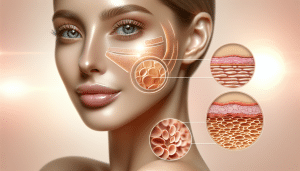
Collagen is often called the ‘scaffolding’ of the skin for good reason. It’s a principal protein providing firmness, structure, and elasticity. When collagen levels are balanced, skin looks smoother and feels resilient. As the body’s most abundant protein, collagen acts as a crucial support system not just for skin, but also for hair, nails, and connective tissue. Its prominence in wellness routines is growing as people become more aware of the connection between collagen and lasting beauty.
The natural production of collagen starts to decline with age. Factors such as sunlight, pollution, and lifestyle stressors also contribute to collagen breakdown. This combination can result in the appearance of fine lines, wrinkles, and skin that feels less supple. Many individuals seek ways to counteract this process—and understanding how collagen forms and degrades is the first step toward making smart choices in skincare and nutrition.
Recognizing collagen’s role enables individuals to focus attention not just on surface-level skin products, but also on nourishing the body from within. Experts recommend considering how daily routines, from sun protection to hydration, affect skin’s structure over time. Distinguishing collagen’s actual effects from common myths can help people select routines that offer the best foundation for vibrant, youthful skin. (Source: https://www.hsph.harvard.edu/nutritionsource/collagen/)
Understanding Collagen Depletion: What Actually Happens
Collagen isn’t lost overnight. It’s a gradual process influenced by age and environmental exposures. One main culprit is UV light, which accelerates enzymes that break down collagen faster than natural replenishment can occur. Smoking, air pollution, and even sleep deprivation play roles in speeding up depletion. Studies suggest that around 1% of collagen is lost every year after the mid-20s, which helps explain why skin changes become noticeable with time.
Depletion doesn’t impact only outer appearance. Collagen loss can lead to weaker blood vessels, slower wound healing, and more delicate connective tissue. Many report an increase in skin dryness and sagging, which is why hydration and antioxidant-rich foods are often recommended as allies. Prevention strategies, such as wearing sunscreen regularly and avoiding unnecessary sun exposure, can be more impactful than any topical treatment alone.(Source: https://www.aad.org/public/everyday-care/skin-care-secrets/anti-aging/collagen)
Scientific research continues to uncover how lifestyle directly affects collagen metabolism. For example, lack of vitamin C, an essential co-factor in collagen formation, can hamper the body’s ability to produce new fibers. This makes a varied, nutrient-rich diet a high priority for anyone seeking to safeguard their skin’s strength and elasticity as they age. Awareness is key—understanding the multifaceted causes empowers better skin choices.
Real Food Sources That Can Support Collagen Health
Many people associate collagen with supplements, but real food sources are powerful. Bone broth, for instance, has been praised for centuries as a nourishing option because it delivers collagen in a highly digestible form. Similarly, lean meats, fish, and egg whites are valuable due to their amino acid content, which helps the body synthesize collagen naturally.
Plant-based eaters may wonder about options, too. While plants don’t contain collagen, they offer vital building blocks and co-factors. Vitamin C-rich foods like oranges, bell peppers, berries, and leafy greens are essential for creating collagen. Minerals like copper and zinc, found in nuts, seeds, and legumes, assist key enzymatic processes related to collagen production. (Source: https://www.hsph.harvard.edu/nutritionsource/collagen/)
Integrating collagen-friendly recipes—such as soups with bone broth or salads loaded with vitamin C sources—may support natural renewal. Experts emphasize dietary balance and variety rather than fixating on a single ingredient. The synergy of nutrients found in whole foods can lead to perceptible benefits for both skin texture and overall well-being. Trying different recipes keeps routines fresh and enjoyable.
Trends in Collagen Supplements: What Studies Reveal
Collagen supplements come in many forms—powders, capsules, and drinks. Some promise visible changes in skin elasticity and hydration. Research suggests that supplementing with hydrolyzed collagen may increase skin moisture and slow wrinkle formation in some individuals. However, results can vary widely due to factors such as age, baseline health, and diet.
Questions remain about absorption, as the digestive system breaks down proteins before distributing their components. Not all collagen products are created equal; quality and source matter. Health authorities recommend selecting products tested for purity and safety, ideally supported by independent research. Individuals interested in supplements might consult credible sources and review clinical evidence before investing in a regimen. (Source: https://ods.od.nih.gov/factsheets/Collagen-Consumer/)
While some experience improvements with regular supplementation, real results are often subtle. Supplements should be considered as part of a broader wellness plan rather than a quick fix. Consistency, healthy eating, and protective skin habits bring the most sustainable benefits. Staying informed helps manage expectations and avoid disappointment in the ever-expanding wellness market.
Collagen and Lifestyle: Habits That Make a Difference
Small daily habits deeply impact skin resilience and the effectiveness of collagen-supporting efforts. Prioritizing sleep allows the body to repair and regenerate tissues, including collagen structures. Moderate physical activity supplies skin with oxygen and nutrients, while reducing stress hormones that might otherwise accelerate aging.
Another crucial habit is sun protection. Consistent use of broad-spectrum sunscreen has been proven to reduce photoaging, a significant cause of collagen damage. To maintain hydration, drinking water and using gentle, non-drying skincare products can preserve the skin’s natural protective barrier. Aiming for balance in all aspects of self-care provides the most reliable results over time. (Source: https://www.cancer.org/healthy/be-safe-in-sun.html)
Some choose to avoid smoking and limit processed sugar, both of which are linked to premature skin changes. Positive lifestyle shifts may not promise drastic transformations overnight, but they empower individuals to age in a way that feels authentic and healthy. Observing gradual improvement through mindful daily choices is one of the most rewarding outcomes reported by those embracing collagen-conscious living.
Collagen Myths and What the Research Really Says
With so much buzz, myths can overshadow facts. One common misconception is that applying collagen topically will directly boost levels in the skin. While collagen-containing creams can hydrate and improve texture temporarily, collagen molecules are typically too large to penetrate deep skin layers.
Another myth involves supplements as magic bullets. Not every person will see dramatic results, and the most reliable benefits emerge from holistic habits—nutrition, protection, and sleep—rather than reliance on any singular product. Leading dermatologists advise a science-based approach, favoring routines supported by peer-reviewed studies over trends promising overnight change. (Source: https://www.ncbi.nlm.nih.gov/pmc/articles/PMC8824546/)
Staying curious and skeptical can help consumers navigate marketing claims. Exploring findings from university research and public health organizations offers practical insights beyond the hype. Real beauty comes from understanding what’s possible, what’s proven, and making informed, self-respecting choices.
References
1. Harvard T.H. Chan School of Public Health. (n.d.). Collagen. Retrieved from https://www.hsph.harvard.edu/nutritionsource/collagen/
2. American Academy of Dermatology Association. (n.d.). Collagen: The skin’s building block. Retrieved from https://www.aad.org/public/everyday-care/skin-care-secrets/anti-aging/collagen
3. National Institutes of Health, Office of Dietary Supplements. (n.d.). Collagen. Retrieved from https://ods.od.nih.gov/factsheets/Collagen-Consumer/
4. American Cancer Society. (n.d.). Be safe in the sun. Retrieved from https://www.cancer.org/healthy/be-safe-in-sun.html
5. Sibilla, S. et al. (2015). An Overview on the Safety and Efficacy of Oral Collagen Supplements. Journal of Clinical Interventions in Aging, 10, 1473-1482. Retrieved from https://www.ncbi.nlm.nih.gov/pmc/articles/PMC8824546/
6. Mayo Clinic. (n.d.). Skin care: 5 tips for healthy skin. Retrieved from https://www.mayoclinic.org/healthy-lifestyle/adult-health/in-depth/skin-care/art-20048237

 Nutrition Tips That Support Active Lifestyles