You Can Discover Minimalist Living Secrets
Clara Mitchell September 27, 2025
Curious about simplifying your surroundings? Explore practical tips to achieve a lifestyle makeover with minimalist living. Learn how decluttering, mindful spending, and smart storage can transform living spaces and daily routines for greater ease, comfort, and personal satisfaction.
The Heart of Minimalist Living
Minimalist living isn’t just about having less—it’s a philosophy that values intentional choices and personal well-being. Many strive for minimalist home design to create tranquil, clutter-free environments where the focus shifts from possessions to experiences. A well-curated living space can reduce stress and boost creativity, according to wellness researchers https://www.health.harvard.edu/mind-and-mood/declutter-your-space-declutter-your-mind. By embracing essentialism, individuals not only reduce chaos but also develop a clearer sense of purpose in daily routines. The shift can be gradual or sudden, but the long-term effects are remarkable.
Experts highlight that minimalist living isn’t about deprivation. Instead, it enables room for what truly matters. Streamlining possessions often means better prioritization and fewer distractions. Living rooms designed around comfort and usability—with fewer yet more meaningful pieces—often foster a sense of relaxation and contentment. Colors, lighting, and open layouts contribute significantly to a minimalist home atmosphere. These environments naturally invite mindfulness and boost the feeling of control over daily life, which is highly valued by those who embrace a simpler lifestyle.
What drives people toward minimalist home design? For some, it’s the desire to break free from consumerism. For others, it’s the pursuit of a simpler, more meaningful way to live. Regardless of motivation, the minimalist lifestyle often strengthens relationships and encourages personal growth. Letting go of unnecessary physical items can feel liberating. It paves the way for more genuine experiences, hobbies, and social interactions, reflecting a trend in modern lifestyle choices that prioritize mental clarity and emotional balance.
Decluttering Your Space Made Simple
Decluttering is often the first step for those exploring minimalist home organization. It starts with asking simple questions: Do these items serve a purpose? Are they meaningful? According to leading decluttering guides, small daily efforts tend to be the most effective https://www.nytimes.com/guides/smarterliving/how-to-clean. Begin with a single room, a desk, or even a cupboard. Sorting items into keep, donate, or recycle piles can turn an overwhelming process into a rewarding one. Most find that the biggest hurdle is getting started—the motivation increases as more space opens up and clutter disappears.
Tidy spaces help boost productivity and elevate mood. Scientific studies highlight the correlation between a tidy, organized atmosphere and improved mental health. Removing excess eliminates visual distractions, allowing the mind to focus more clearly on important tasks or creative processes. For families, exposing children to decluttering routines teaches them to appreciate quality over quantity and introduces lifelong habits that value simplicity. The physical act of clearing out possessions often leads to new routines and habits that support well-organized living.
Consistent decluttering efforts contribute to better home maintenance and daily comfort. Rather than treating decluttering as a one-time event, minimalists establish routines for ongoing organization. Seasonal checks—such as sorting closets before summer or winter—ensure that only items serving real needs remain. Some also set simple guidelines, such as the one-in, one-out rule, to maintain harmony over time. These practical habits support a lifestyle prioritized around essentials, making it easier to manage time and resources in the long run.
Smart Storage Ideas for Minimalist Homes
Clever storage solutions play a crucial role in sustaining minimalist home organization. Modular shelving, under-bed storage, and multi-purpose furniture are rising in popularity for their ability to maximize limited space while keeping visual clutter at bay. Experts from interior design schools recommend using hidden containers, wall hooks, and drawer organizers to sort everyday items efficiently https://extension.psu.edu/decluttering-and-simplifying-your-home. The key is to assign every item a dedicated space. This not only saves time but also prevents the stress of misplaced belongings in busy households.
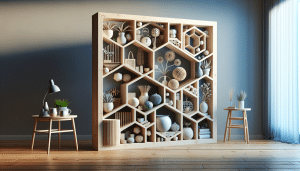
Minimalist living doesn’t require sacrificing convenience. Instead, it’s about choosing storage options that blend seamlessly into the environment. Functionality and aesthetics work hand in hand. Neutral baskets, stackable boxes, and ottomans with inner storage add practical charm to rooms. Open shelving, when styled intentionally, showcases only the most-loved objects or collections, transforming them into subtle decor highlights. These strategies complement the essentialist mindset and make it simple to maintain order—even with regular use of the space.
The digital world offers unique ways to support minimalist home organization. Apps for inventory management, task reminders, and family routines simplify the process. Some turn to paperless solutions for bills, manuals, or recipes, reducing physical piles on countertops. Household members can use shared calendars to keep everyone on track with chores and seasonal decluttering tasks. Integrating digital tools with physical storage means homes stay serene and systems remain sustainable for busy, modern lifestyles.
Embracing Mindful Consumption Habits
Successfully maintaining a minimalist home also relies on mindful consumption. Consumer researchers emphasize the importance of deliberating before purchases and weighing the need versus the desire for an item https://www.consumer.ftc.gov/articles/way-shop-smarter. Opting for quality, versatile essentials instead of frequent impulse buys helps create longer-lasting satisfaction. Mindful shopping aligns with the values of sustainability and personal responsibility, reducing waste and conserving natural resources. This approach turns each purchase into a conscious choice, making it more rewarding and purposeful.
Adopting practical budgeting strategies supports a minimalist lifestyle. Many follow the practice of delayed gratification—waiting a few days before making non-essential purchases. This habit decreases unnecessary accumulation and ensures that new acquisitions truly enhance daily living. Minimalists also tend to track expenses proactively, focusing on experiences, wellness, or creative pursuits rather than physical goods. Over time, these habits reinforce self-control and instill a sense of empowerment in everyday decision-making.
Mindful consumption is deeply connected to environmental well-being. Sustainable shopping—such as choosing local, reusable, or recyclable goods—amplifies the positive impact of minimalism. Growing support for ethical brands and second-hand marketplaces further reduces environmental footprints. Families can learn together about the life cycles of their possessions and discover creative ways to reuse or repurpose before discarding. As more people adopt mindful buying habits, communities benefit from less waste and healthier social connections, reflecting a fundamental shift in lifestyle values.
Minimalism and Well-Being
One of the most celebrated benefits of minimalist living is improved well-being. According to mental health organizations, orderly environments can reduce anxiety and give a sense of stability, especially in hectic times https://www.apa.org/news/press/releases/stress/2016/coping-with-change.pdf. This sense of calm can ripple into better sleep, enhanced relationships, and greater daily satisfaction. Minimalist spaces—rich in air, light, and organization—often foster restorative habitats ideal for winding down after a busy day. It’s not just about aesthetics; it’s about feeling right at home.
Minimalism isn’t a static goal. It’s an evolving practice that continually adapts as life changes. Those who embrace minimalism usually report fewer daily frustrations and more time to focus on activities that align with personal values. The confidence that comes with managing less inspires some to pursue new professional or creative goals, while others cherish the newfound freedom to travel light or participate fully in family life. As a shared philosophy, minimalism often strengthens household bonds and enhances communication.
The ripple effect of minimalist living can inspire others in the community to start their own journeys toward simplicity. Many report feeling less burdened by external pressures or trends and more attuned to meaningful moments. Resources from wellness groups and community centers can offer ongoing guidance, tips, and real-life stories of transformation, helping new minimalists overcome common hurdles. This growing movement prioritizes quality of life over material accumulation, ensuring that well-being remains the centerpiece of lifestyle decisions.
Sustaining the Minimalist Mindset Long-Term
Maintaining a minimalist lifestyle isn’t a one-time accomplishment—it requires mindful attention over time. Experts suggest setting aside regular intervals to reassess spaces and routines, checking for creeping clutter or shifting needs https://www.goodhousekeeping.com/home/organizing/a38937/tidy-home-habits/. Celebrating progress, even in small ways, reinforces motivation and makes the process feel enjoyable. As people become more attuned to what works, personal systems develop naturally, paving the way for lasting change. These rituals can be as simple as a monthly closet review or a shared family tidy-up evening.
While challenges can arise—such as sentimental attachments or family disagreements—open communication and empathy are vital. Sharing stories, discussing priorities, and involving each household member helps everyone feel included and respected. Many find that documenting the minimalist journey, through journaling or photos, can reveal inspiring progress and celebrate achievements over time. Digital minimalism also plays a growing role, as people manage email subscriptions, media, and device clutter for increased peace of mind.
Connecting with minimalist communities, both online and locally, provides accountability and encouragement when motivation dips. These networks, often supported by social media groups or local workshops, enable the exchange of fresh ideas, challenges, and success stories. For those just beginning, practical guides and expert articles offer a roadmap to sustainable living. Regular engagement with these supportive environments can make minimalism feel accessible, relatable, and enjoyable year after year.
References
1. Harvard Health Publishing. (n.d.). Declutter your space, declutter your mind. Retrieved from https://www.health.harvard.edu/mind-and-mood/declutter-your-space-declutter-your-mind
2. The New York Times. (n.d.). How to clean and organize your home. Retrieved from https://www.nytimes.com/guides/smarterliving/how-to-clean
3. PennState Extension. (2021). Decluttering and simplifying your home. Retrieved from https://extension.psu.edu/decluttering-and-simplifying-your-home
4. Federal Trade Commission. (n.d.). Way to shop smarter. Retrieved from https://www.consumer.ftc.gov/articles/way-shop-smarter
5. American Psychological Association. (2016). Coping with change. Retrieved from https://www.apa.org/news/press/releases/stress/2016/coping-with-change.pdf
6. Good Housekeeping. (n.d.). 11 daily habits to keep a tidy home. Retrieved from https://www.goodhousekeeping.com/home/organizing/a38937/tidy-home-habits/

 Secrets You Miss in First Time Home Buying