Why You Notice Changes in Your Skin and How to Support Radiance
Emily Ward November 8, 2025
Ever looked in the mirror and wondered why your skin looks different? This guide explores changes in skin texture, common reasons for uneven skin tone, and the science behind glowing skin. Learn how to nurture radiance through daily habits in a way that’s both practical and rooted in expert advice.
Understanding Common Skin Changes
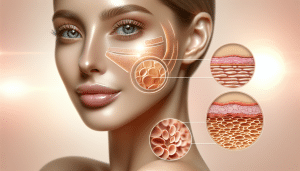
The skin—our body’s largest organ—often gives subtle signs about overall health and wellness. Over time, many notice small but meaningful changes, including shifts in skin texture and pigmentation. It’s typical to experience new concerns as we age: fine lines might appear, elasticity may decrease, and areas of uneven skin tone or dullness could become more apparent. These changes are often the result of a complex interplay between genetics, environmental exposure, and lifestyle choices. Different skin types also react uniquely, so understanding your specific needs is a crucial step in supporting radiance. Healthy skin starts with awareness of its natural shifts—the first step in any supportive journey. Noticing these changes early helps many people seek the guidance they need to adapt routines in a way that promotes long-term well-being.
Environmental factors have a significant impact on skin’s appearance and feel. Ultraviolet (UV) exposure is a leading contributor to premature skin aging and can cause blotchy pigmentation and increased risk of fine lines. Urban environments carry their own risks, such as air pollution—tiny particulates can damage the skin barrier, leading to dryness and irritation. Even fluctuations in humidity affect hydration, sometimes leaving the skin feeling tight or flaky. These stressors highlight the importance of a multi-faceted approach to healthy skin. Experts recommend developing a mindful relationship with sun protection and cleansing. Small, consistent habits may help support skin’s resilience under daily pressures. A science-backed routine takes both prevention and recovery into account, targeting current issues while helping to reduce future risk.
Internal shifts matter just as much. Hormonal changes throughout life affect oil production and collagen formation. For example, many people experience a natural decrease in skin moisture or increased sensitivity due to changes in estrogen or androgens. Diet, sleep, and stress levels also shape our skin’s look and feel—poor nutrition or chronic lack of sleep is often reflected as dullness, breakouts, or uneven skin tone. The skin is, in many ways, a reflection of overall lifestyle. That’s why current research strongly encourages a holistic approach. Rather than focusing exclusively on topical solutions, the best results often come from an inside-out approach that addresses hydration, rest, balanced nutrition, and stress management alongside nourishing skincare.
Science-Backed Ingredients and Effective Routines
Curious which ingredients support healthy, glowing skin? Multiple studies confirm the value of vitamin C, hyaluronic acid, and niacinamide. Vitamin C, known for its antioxidant power, helps combat oxidative stress and may brighten uneven skin tone over time. Hyaluronic acid’s unique ability to attract and retain water means skin feels more hydrated and plump. Niacinamide, on the other hand, supports the skin barrier and soothes visible redness. Dermatologists frequently recommend these ingredients as part of a daily routine for both preventive and restorative care. Products containing these compounds are widely available, and their long-term use helps support a radiant and resilient complexion, as supported by peer-reviewed research (https://www.ncbi.nlm.nih.gov/pmc/articles/PMC5579659/).
Routine matters as much as ingredients. Experts suggest that consistency—rather than complexity—delivers most benefits. Cleansing, moisturizing, and using sun protection daily create a foundation for lasting change. Sunscreen, especially, has a proven ability to reduce the risk of future pigmentation, fine lines, and skin cancer. Many choose a broad-spectrum SPF of at least 30, reapplying as needed. For those targeting specific concerns like redness or textural changes, adding a serum or treatment with antioxidants or gentle exfoliants can accelerate visible results when used according to professional guidance. These daily steps help build a buffer against both environmental and biological triggers for dull or uneven skin.
Recent trends emphasize ‘skinimalism’—the art of simplifying routines. Rather than dozens of products, many now prefer a focused, targeted approach to skincare. This aligns with new findings that too many active ingredients, especially strong acids or retinols, can sometimes lead to irritation or worsen sensitivity. Instead, building a core routine—and adjusting only as needed—allows the skin’s natural processes to balance and recover. Reliable results come not from chasing the latest trend, but from choosing ingredients proven to nurture the skin’s unique needs consistently. It’s a soothing message for anyone feeling overwhelmed by possibilities: less really can be more when routines are personalized and science-led.
Nutrition and Hydration for Healthy Skin
Diet is closely linked to how skin looks and feels. Research from leading dermatology councils highlights antioxidants—found in berries, leafy greens, and nuts—as helpful allies in maintaining even skin tone and reducing the impact of oxidative stress. Omega-3 fatty acids, present in walnuts and fatty fish, also help soothe inflammation and may reduce skin dryness. Hydration, often underestimated, is essential too. Drinking adequate water each day ensures nutrients reach the skin’s outermost layers. Even mild dehydration can create a lackluster complexion or rough-feeling texture. Focusing on plant-based foods, whole grains, and healthy fats supports radiant skin while contributing to overall wellness.
Nutritional deficiencies sometimes show up first as skin problems. For example, a lack of vitamins A, C, or E may contribute to dull, flaky skin. Zinc deficiency has also been linked to delayed wound healing and increased breakouts. Supplementation, if needed, should always be discussed with a healthcare provider. Most dermatology experts recommend a ‘food first’ approach—focusing primarily on diet to deliver needed nutrients. Eating a rainbow of whole foods naturally supports the skin’s defenses and gives cells the resources they need to renew and repair. These are gentle, sustainable changes that have profound effects on skin health.
Healthy skin also hinges on blood flow and detoxification, areas both influenced by food and hydration. Proper hydration supports lymphatic drainage and helps transport waste away from skin cells, reducing puffiness and dullness. Staying active, or practicing calming activities like yoga or walking, can further encourage circulation for that sought-after glow. While topicals can help, science shows internal factors are equally or more important in the quest for radiance. Combining smart nutrition, mindful movement, and optimal hydration provides a well-rounded plan for anyone hoping to see changes both inside and out (https://www.aad.org/public/everyday-care/nutrition/nutrition-basics/eating-healthy-skin).
Gentle Skincare Practices and Building Resilience
Building resilience into your skincare routine is all about minimizing unnecessary stress and supporting natural repair. Over-cleansing, excessive scrubbing, or frequent changes in products can leave skin sensitized or inflamed. Many people achieve better outcomes by adopting gentle cleansing and avoiding harsh soaps or physical exfoliants. A mild, non-stripping cleanser twice daily removes grime without disrupting the skin barrier. Following up with a moisturizer tailored to your skin type helps preserve hydration. Even small changes, like switching to a silk pillowcase or using lukewarm water, can produce meaningful improvements in comfort and resilience over time.
Environmental protection is another cornerstone of radiant skin. Shielding skin from excessive sun, wind, or temperature swings helps maintain both comfort and appearance. Broad-brimmed hats, sunglasses, and mineral-based sunscreens are well supported by dermatological organizations as practical, effective options. Urban dwellers might also consider antioxidant-rich serums or moisturizers, which can provide extra defense against pollution and blue light from screens. These lifestyle tweaks add up, especially when practiced alongside core routines. The goal is to create a safe, nurturing environment for the skin to thrive, despite external challenges.
An important part of resilience is learning to listen to your skin’s cues rather than pushing for fast results. If irritation surfaces after introducing something new, scaling back or consulting a professional makes more sense than continuing. Some people also benefit from regular facial massages or practicing mindfulness techniques, both of which support relaxation and circulation. Gentle approaches—both in product selection and self-perception—help encourage the skin’s natural balance and foster a feeling of self-assurance. Wellness isn’t perfection: it’s the outcome of thoughtful, compassionate care that adapts as life changes.
Lifestyle Habits That Influence Skin Radiance
Surprisingly, everyday habits beyond skincare have a major effect on skin’s vibrance and health. Regular, restorative sleep—typically seven to nine hours nightly—is vital for cellular repair. During deep rest, the body produces growth hormone, which aids skin regeneration. Chronic sleep deprivation, in contrast, can accelerate the appearance of dark circles and fine lines. Stress is another factor: prolonged tension triggers hormonal shifts that may prompt flare-ups or persistent dullness in even the most resilient skin. Practicing stress management tools, such as meditation or journaling, can help promote that elusive inner glow experts often reference.
Protecting skin from excessive digital screen exposure has entered the discussion, as blue light is now known to affect circadian rhythms and potentially contribute to oxidative stress in the skin. Limiting screen time, using blue light filters, and prioritizing outdoor breaks can make subtle but noticeable differences over time. These techniques are practical for anyone seeking not just better skin, but overall health and clarity as well. Combining mindful use of technology with sufficient downtime can have ripple effects far beyond skincare.
Finally, fostering positive connections—both socially and with oneself—completes a holistic wellness plan. Happiness and connectedness are associated with better health markers, including skin radiance. Many dermatology experts agree that feeling good inside sets the stage for outward glow. Whether connecting with a friend, walking in nature, or indulging in creative hobbies, uplifting activities may play a role in skin’s visible beauty. Small shifts in routine, supported by a sense of curiosity and self-kindness, help maintain a healthy perspective on beauty and well-being through every stage of life.
When to Seek Guidance from a Dermatology Professional
Sometimes, underlying skin differences signal something more than normal variation. Persistent redness, new moles, dramatic texture changes, or non-healing patches often prompt many people to consult a board-certified dermatologist. Professional assessment makes a difference—some concerns require prescription treatments, diagnostic tests, or lifestyle changes beyond typical advice. Importantly, routine check-ups can help catch emerging issues such as eczema, psoriasis, or signs of skin cancer before they progress. Early guidance allows for tailored adjustments and peace of mind for anyone worried about skin changes (https://www.aad.org/public/everyday-care/skin-care-basics/care/see-dermatologist).
Many dermatology clinics now offer holistic consultations that include discussions of lifestyle, nutrition, and stress factors. This integrated approach matches the modern understanding that glowing skin is rarely dependent on one single factor. Telemedicine options also let people access advice remotely, making help accessible when in-person visits are a challenge. Support from professionals often includes education on product use, personalized evaluations, and strategies for sensitive skin or challenging conditions.
Takeaway: reaching out for professional insight is a positive, proactive step. It’s especially valuable if new or stubborn symptoms cause discomfort or self-consciousness. Guidance from experts, ideally in combination with daily self-care, encourages lasting wellness and empowers individuals to make informed choices. Modern dermatology continues to evolve—offering both traditional solutions and fresh, integrative support for skin health at every stage.
References
1. Draelos, Z.D. (2018). The role of vitamins and minerals in skin health. https://www.ncbi.nlm.nih.gov/pmc/articles/PMC5579659/
2. American Academy of Dermatology. (n.d.). Eating for healthy skin. https://www.aad.org/public/everyday-care/nutrition/nutrition-basics/eating-healthy-skin
3. National Institute on Aging. (n.d.). Skin care and aging. https://www.nia.nih.gov/health/skin-care-and-aging
4. American Academy of Dermatology Association. (n.d.). Signs you should see a dermatologist. https://www.aad.org/public/everyday-care/skin-care-basics/care/see-dermatologist
5. Lin, T.K., Zhong, L., & Santiago, J.L. (2018). Anti-inflammatory and skin barrier repair effects of topical application of some plant oils. https://www.ncbi.nlm.nih.gov/pmc/articles/PMC5796020/
6. Harvard Health Publishing. (n.d.). Nutrition and healthy skin: Secrets to long-lasting radiance. https://www.health.harvard.edu/newsletter_article/nutrition-and-healthy-skin-secrets-to-a-lifetime-of-radiance

 Why You See Mixed Signals in Home Prices