Why You Might Reconsider Retinol for Your Skin
Emily Ward October 17, 2025
Explore the surprising realities behind retinol in skin care routines and discover what makes it popular, how it interacts with sensitive skin, and which alternatives are gaining ground. This practical guide presents facts to help you choose the right path for wellness and beauty.
Understanding Retinol and Its Role in Skin Care
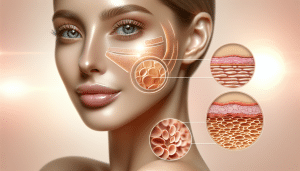
Retinol is commonly praised in skin care. It’s a form of vitamin A that helps replenish the skin. Users often turn to retinol for concerns like fine lines, age spots, and overall skin renewal. There’s real scientific evidence backing its ability to promote cell turnover and stimulate collagen, two features that make it intriguing for those seeking a smoother complexion (Source: https://www.ncbi.nlm.nih.gov/pmc/articles/PMC2699641/).
Still, the science behind retinol isn’t magic. It’s a topical agent with strengths and weaknesses. Those using retinol might notice visible improvements in skin appearance, especially over several weeks. But it also comes with side effects, sometimes causing irritation, dryness, or flaking—especially for those with sensitive skin types. Individual variation makes the journey different for everyone, and new research is emerging about these reactions.
Curiosity about retinol continues to swell in the beauty world. People want to know if it’s the answer or if gentler options exist. Dermatologists suggest that understanding your unique skin profile is vital before adding products like retinol to your daily routine (Source: https://www.aad.org/public/everyday-care/skin-care-secrets/anti-aging/retinoids). The market offers many products, making it even more important for users to educate themselves about both strengths and limitations.
Key Reasons People Turn to Retinol Products
Many discover retinol as they search for anti-aging solutions or acne management. Its ability to support smoother texture and address uneven tone draws diverse age groups. People are drawn by stories of visible improvements, especially with consistent use. For some, using retinol is a step toward maintaining a radiant look and bolstering confidence in their day-to-day lives.
Retinol’s broad appeal lies in its multi-action benefits. Not only does it target wrinkles, but it is also included in many formulas designed for skin renewal or brightening. A burst of collagen, for example, helps improve structural integrity, while exfoliation triggered by retinol may help soften the look of blemishes (Source: https://www.dermatologytimes.com/view/topical-retinoids-tips-and-techniques).
Reasons for using retinol vary with personal goals. Some favor its use for helping manage acne-prone skin or faded scars. Others aim for a subtle radiance by reducing the dullness caused by environmental stressors. The balance between ambition for flawless skin and awareness of possible side effects shapes many people’s wellness journeys.
Potential Drawbacks and Considerations for Sensitive Skin
Those with sensitive skin may find retinol challenging. Tingling, redness, or irritation are not uncommon. For some, starting too strong can disrupt the natural skin barrier, making it harder to achieve intended results. Dermatologists often emphasize the need for gradual introduction and proper moisturization to help lessen unwanted reactions (Source: https://www.clevelandclinic.org/health/diseases/21850-how-to-use-retinol-for-sensitive-skin).
Adapting to retinol-based routines may involve trial and error. Individuals with preexisting conditions like eczema, psoriasis, or rosacea might experience more discomfort. Strategically using retinol at night, and starting with lower concentrations, helps many users avoid harsher effects. This approach is part of a wider movement encouraging mindful and tailored skin care application.
Alternatives are important for those who find retinol too aggressive. Ingredients such as bakuchiol, for instance, mimic the properties of retinol without causing as much irritation. Aloe vera and niacinamide are also popular for soothing or strengthening sensitive skin (Source: https://www.health.harvard.edu/blog/bakuchiol-the-new-natural-alternative-to-retinol-2021022221965). Education and patience are key in finding what works best for unique needs.
Exploring Alternatives to Retinol in Beauty Routines
Bakuchiol stands out as a plant-based alternative. It has a rising fanbase due to similar cell turnover benefits reported in early studies, with fewer side effects. A closer look at real-world testimonials reveals many users experience gentler transitions and less irritation, prompting greater exploration among individuals unable to tolerate traditional retinoids.
Other gentle options include peptides, which work to signal skin renewal, and vitamin C serums, prized for antioxidant properties. These can fit seamlessly into regimens focused on overall wellness and beauty, supporting balanced complexions without redness or flaking. Dermatologists highlight that each alternative comes with different expectations—while some work slower than retinol, they often fit better into sensitive routines.
Natural oils such as rosehip or squalane are used to deliver mild but sustained hydration, another key feature in modern beauty routines. These choices help nurture the skin barrier and support resilient skin over time (Source: https://www.healthline.com/health/beauty-skin-care/rosehip-oil-for-face). By thoughtfully selecting components, individuals can design rituals that adapt to their needs and values.
Building a Balanced Beauty Routine for Overall Wellness
Holistic beauty means looking at the whole picture. Incorporating sunscreen, gentle cleansers, and personalized actives yields better results, no matter if retinol or an alternative is chosen. Protection from UV rays remains a top priority—retinol makes the skin more sensitive to sunlight, so sunscreen is non-negotiable for anyone using such products consistently (Source: https://www.skincancer.org/skin-cancer-prevention/sun-protection/sunscreen/).
Rest, healthy nutrition, and hydration round out the wellness equation. Beauty professionals stress that sleep cycles, antioxidant-rich diets, and drinking enough water help maintain the skin’s natural glow. Pausing to rethink lifestyle factors often produces more lasting results than products alone, creating true transformation from the inside out.
The key is consistency without excess. Overdoing any ingredient can tip the balance and damage the skin. Those who succeed often keep routines simple, monitor changes closely, and adjust as needed. Informed decisions—and realistic expectations—build the foundation of lasting wellness and genuine self-care at every stage of life.
What to Know Before Adding Retinol to Your Regimen
Introducing retinol? A patch test is advised. Starting twice a week lets skin adjust, and reviewing product labels for concentration can help prevent irritation. Experts recommend pairing retinol with hydrating elements like hyaluronic acid or ceramides to boost comfort and performance (Source: https://www.mountsinai.org/health-library/selfcare/integrating-retinol-into-your-skincare-routine).
Understanding how different products interact is also important. Mixing multiple actives—such as alpha hydroxy acids with retinol—may intensify side effects, especially in sensitive users. Taking a gradual approach and consulting reputable sources ensures that any transition into retinol leads to better outcomes.
When in doubt, seeking a dermatologist’s input offers tailored guidance. Routine check-ins and monitoring allow flexibility to alter the regimen as needs or skin conditions change. Documenting skin changes over weeks can be an eye-opener, revealing what triggers reactions and when improvements begin. Staying informed is the ultimate step toward empowered skin care choices.
References
1. Mukherjee, S., Date, A., Patravale, V., Korting, H. C., Roeder, A., & Weindl, G. (2006). Retinoids in the treatment of skin aging: An overview of clinical efficacy and safety. Retrieved from https://www.ncbi.nlm.nih.gov/pmc/articles/PMC2699641/
2. American Academy of Dermatology. (n.d.). Retinoids: Anti-aging skin care secrets. Retrieved from https://www.aad.org/public/everyday-care/skin-care-secrets/anti-aging/retinoids
3. Dermatology Times. (2019). Topical retinoids: Tips and techniques. Retrieved from https://www.dermatologytimes.com/view/topical-retinoids-tips-and-techniques
4. Cleveland Clinic. (n.d.). How to use retinol for sensitive skin. Retrieved from https://www.clevelandclinic.org/health/diseases/21850-how-to-use-retinol-for-sensitive-skin
5. Harvard Health. (2021). Bakuchiol: The new, natural alternative to retinol? Retrieved from https://www.health.harvard.edu/blog/bakuchiol-the-new-natural-alternative-to-retinol-2021022221965
6. Skin Cancer Foundation. (n.d.). Sunscreen: Your best defense. Retrieved from https://www.skincancer.org/skin-cancer-prevention/sun-protection/sunscreen/

 Secrets Smart Homeowners Use for Low-Maintenance Gardens