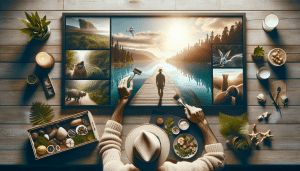
Why Solo Travel Could Change You Forever
Thomas Blake September 26, 2025
Curious about the world of solo travel? Explore reasons it’s gaining popularity, discover how it unlocks self-growth, and see practical tips for safe, budget-friendly adventures through extraordinary destinations. This guide unpacks the art and opportunity behind traveling alone, so you can decide if solo journeys are the right path for unique experiences and deeper connections.
The Rising Appeal of Solo Travel
Solo travel is quickly becoming one of the most sought-after experiences in today’s fast-evolving world. With the flexibility to choose adventure on individual terms, many are embracing travel alone as a pathway to self-discovery and freedom. Solo travel offers unmatched control over your schedule—you pick the highlights, linger at a quiet café, or hit the morning hike without negotiating with companions. Leading travel analysts report a consistent surge in people, especially women, booking single accommodations and curated tours (Source: https://www.ustravel.org/toolkit/fast-facts-travel-industry). For some, this represents independence. For others, a ticket to healing or personal renewal.
Why does solo travel attract so many? In part, today’s digital connectivity provides safety nets—maps, translation tools, and budgeting apps help you feel at home in unfamiliar places. The growth of communities online, like travel forums and mentorship platforms, means solo travelers rarely feel truly alone. This shift empowers first-timers to take the plunge, even into new cultures and distant cities, with far less anxiety. Plus, mainstream destinations now recognize the value of catering to single travelers, offering package deals and immersive experiences tailored for one. Safety, always a core consideration, has been improved by better traveler resources and hospitality geared to individual adventurers.
Budget flexibility is another advantage. Without coordinating with others, solo travelers can splurge or save as they please, picking hostel beds, boutique hotels, or homestays based on personal priorities. A growing number of airline and train operators even waive classic “single supplements,” making the adventure feasible for students, retirees, and explorers at all income levels (Source: https://www.lonelyplanet.com/articles/solo-travel-tips). Whether seeking deeper meaning, freedom, or affordable getaways, solo travel unlocks options like never before.
Destinations That Welcome Solo Travellers
Wondering where solo visitors most often feel at home? Some countries are celebrated for making independent travel both easy and safe. Japan, New Zealand, and Portugal consistently rank as favorites, partly due to strong public transport, low crime rates, and friendly locals (Source: https://www.travelandleisure.com/trip-ideas/solo-travel/best-cities-solo-travelers). In these places, you can join group hikes spontaneously or dine alone without social awkwardness. Australia’s vibrant cities, extensive hostel networks, and well-organized tours offer endless variety for individuals eager to make friends along the way.
Southeast Asia, especially Thailand and Vietnam, has become legendary among solo backpackers. Affordable hostels, street food, and lively traveler “hubs” make connections easy. Night markets in cities like Chiang Mai or guided street tours of Hanoi offer deep immersion with little risk or fuss. South America, particularly countries such as Chile and Colombia, has also been emerging as a welcoming region with dynamic scenery and strong traveler support communities. Language barriers can exist, but apps and travel guides make navigating easier than ever.
Of course, safety and comfort vary by destination, so research is key. Scandinavian cities offer ultra-efficient transport and English-speaking locals, making urban solo exploration seamless. For those seeking solitude, Iceland’s dramatic landscapes or Canada’s national parks provide both peace and inspiration. Some travelers prefer bustling capitals where anonymity is normal, while others crave small towns where it’s easy to strike up a friendly conversation. Solo travel is about finding places that match your curiosity, comfort zone, and goals.
Planning Safe and Fulfilling Solo Adventures
Good planning is essential for memorable solo journeys. Start by defining what type of experience would be most rewarding: cultural immersion, nature, wellness, or city exploration. Set a flexible daily agenda that allows for both must-see sites and spontaneous adventures. Smart packing—think light and versatile—means you won’t be weighed down and can change plans quickly. Digital backup copies of important documents, upfront research into local customs, and knowing emergency numbers are simple but vital steps. Many experts recommend pre-booking your first night’s stay, along with transfers from the airport, to ease initial nerves and help establish a sense of security.
Modern tech can be a solo traveler’s best friend. Smartphone apps provide real-time translation, navigation, and event updates, making unfamiliar environments feel accessible. It’s wise to carry portable chargers and consider an international SIM card for uninterrupted connectivity. Share itineraries and locations with trusted friends or family for peace of mind. Community-driven travel insurance options are increasingly designed with solo travelers in mind; these plans often feature streamlined claims and assistance services tailored to the realities of being on your own. Don’t forget to join digital communities—travelers swap advice and set up social meetups in almost every major city.
Thriving as a solo traveler also means cultivating awareness and intuition. While most adventures are trouble-free, vigilance around unfamiliar areas, especially at night, is critical. Learning some key phrases of the local language can go a long way towards earning respect and assistance. Many find that solo trips build resilience and resourcefulness, turning minor challenges into lifelong skills. Remember, flexibility is part of the journey—changing plans if a route seems unsafe or a better opportunity arises can transform the experience for the better. The ultimate goal is not rushing, but moving through new places with curiosity and an open mind.
Making Meaningful Connections on the Road
Solo doesn’t have to mean lonely. In fact, traveling on your own often makes it easier to meet both locals and fellow adventurers. Hostels, group tours, and shared meals are just the start. Countless solo travelers report that being alone encourages open invitations—from joining international cooking classes to impromptu hikes or music nights. Even a simple conversation on a train can lead to travel tips and new friendships. Tour guides and venue staff often go out of their way to involve solo guests, so being approachable pays off.
To maximize these opportunities, many seek out organized group activities tailored for individuals. Cooking workshops, city walking tours, art classes, and travel meetups are a few options appearing in cities worldwide. Cultural exchange programs or volunteering for local events also help forge deep, authentic connections. Solo travel creates space for forming bonds across languages and backgrounds—opportunities often missed when traveling in groups. Many say the highlight of travel isn’t a place but the people met along the way.
Strong social skills aren’t required; curiosity and respect go a long way. Digital nomad co-working spaces, communal lodging, and even online forums are resourceful tools for staying connected. For some, solo trips are also a chance to reconnect with oneself, discovering new passions or strengths through journaling, photography, or reflection. By embracing uncertainty and diversity, travelers can find a sense of global community, creating stories and friendships that last long after the journey ends (Source: https://www.nomadicmatt.com/travel-blogs/how-to-make-friends-when-you-travel/).
Budget Strategies for the Independent Traveler
Solo travelers often become resourceful budgeters. Without splitting costs, single rooms or rides can be pricier—but many destinations offer affordable alternatives. Hostels remain popular, offering both privacy options and social atmospheres. Look for guesthouses, small inns, and shared apartments—often at lower price points than hotels. Travel passes, such as city transit cards or rail passes, help independent travelers keep moving without overspending. Budget-savvy explorers track expenses using dedicated apps, monitor exchange rates, and make the most of meal deals or farmer’s markets. Travel experts suggest flexible planning to capture off-season savings and destination discounts for solo adventurers (Source: https://www.budgetyourtrip.com/blog/2022/02/how-to-budget-for-a-solo-trip/).
Dining solo is also more affordable than many believe. Street food, market stalls, and neighborhood cafes allow exploration of authentic cuisine at local prices. Planning a ‘big meal’ as your mid-day stop rather than dinner can save considerably, especially in European destinations. Many solo travelers picnic in parks or take advantage of free breakfast options at their accommodations. Smart booking habits, like checking review sites or using “single traveler” fare search filters, can unlock better deals. Watch for events, free museum days, and community festivals—memorable options for both entertainment and wallet health.
Managing money abroad comes down to preparation and adaptability. Avoid excessive ATM fees by researching card-friendly banks, and consider prepaid travel cards for added security. Many advocate for maintaining a small cash reserve as a backup, particularly in places where cards are less common. As remote work rises, some solo travelers choose slow, extended stays—renting apartments, cooking meals, living like locals—which reduces daily costs and deepens the experience. Ultimately, successful budgeting is less about sacrifice, more about curious, informed choices along the way.
Personal Growth and Lasting Benefits of Solo Journeys
Solo travel offers much more than sightseeing. Those who travel alone often speak of profound personal transformation—developing confidence, independence, and adaptability. Facing challenges, from language barriers to navigating new cities, builds a sense of competence difficult to replicate elsewhere. Many cite solo adventures as turning points for overcoming fears, clarifying priorities, or discovering hidden strengths (Source: https://www.psychologytoday.com/us/blog/the-empowerment-diary/201810/why-you-should-travel-alone). Being alone encourages introspection and authentic self-expression—qualities that support growth long after returning home.
The ripple effect of solo travel can impact careers, relationships, and well-being. Navigating logistics and cultural differences sharpens practical skills like problem-solving and negotiation. These new perspectives fuel creativity and resilience, traits valued at work and beyond. For some, solo travel provides needed breaks from routine or burnout, opening pathways to longer-term wellness and satisfaction. Countless testimonials highlight solo travel’s power to unlock passion, purpose, and meaningful memories.
What’s most fascinating? Solo journeys show that travel is more than ticking off destinations—it’s about embracing uncertainty and discovering possibility. Each trip uncovers new lessons to carry through life. By letting go of certainty, learning to trust one’s instincts, and welcoming adventure, travelers can reshape how they see both the world and themselves. Even short solo trips can inspire major transformations and a deeper, more confident sense of self (Source: https://www.npr.org/sections/goatsandsoda/2016/07/14/485814221/solo-travel-lets-you-see-the-world-and-yourself).
References
1. U.S. Travel Association. (n.d.). Fast Facts: U.S. Travel Industry. Retrieved from https://www.ustravel.org/toolkit/fast-facts-travel-industry
2. Lonely Planet. (n.d.). Six solo travel tips for first-timers. Retrieved from https://www.lonelyplanet.com/articles/solo-travel-tips
3. Travel + Leisure. (n.d.). The 50 Best Places to Travel. Retrieved from https://www.travelandleisure.com/trip-ideas/solo-travel/best-cities-solo-travelers
4. Nomadic Matt. (2021). How to Make Friends When You Travel Solo. Retrieved from https://www.nomadicmatt.com/travel-blogs/how-to-make-friends-when-you-travel/
5. Budget Your Trip. (2022). How to Budget for a Solo Trip. Retrieved from https://www.budgetyourtrip.com/blog/2022/02/how-to-budget-for-a-solo-trip/
6. Psychology Today. (2018). Why You Should Travel Alone. Retrieved from https://www.psychologytoday.com/us/blog/the-empowerment-diary/201810/why-you-should-travel-alone

 What You Might Not Expect About Collagen for Skin