What Happens When You Add Retinol to Skincare
Emily Ward September 25, 2025
Many are curious about retinol and its place in a daily skincare routine. This guide unpacks how integrating retinol may support fresher, more radiant skin, while exploring key considerations, real scientific insights, and practical application tips for those focused on effective beauty routines and long-term skin wellness.
Understanding Retinol and Its Appeal
Retinol is a derivative of vitamin A commonly found in over-the-counter skincare products. It’s often described as a game-changer for those seeking improved skin texture and tone. In scientific circles, retinol is recognized for its ability to accelerate the natural turnover of skin cells, a process that naturally slows with age. This accelerated renewal can brighten the complexion and potentially smooth areas where fine lines develop. Many people notice improvements in the vibrancy and clarity of their skin after ongoing application. For this reason, retinol’s popularity has surged in the beauty and wellness space, with dermatologists frequently discussing its effects on evening out pigmentation and supporting a youthful appearance.https://www.ncbi.nlm.nih.gov/pmc/articles/PMC2699641/
Despite its popularity, understanding retinol’s unique characteristics is vital. The molecule itself is small enough to penetrate the outer layer of skin. Once absorbed, it gets converted into retinoic acid, which engages with cellular receptors to stimulate collagen production and new cell growth. This two-step biochemical process differentiates retinol from some harsher prescription-only forms of vitamin A, such as tretinoin, that act more aggressively. This distinction explains why retinol remains a staple for at-home skincare, offering benefits without as much risk of immediate irritation.https://www.aad.org/public/everyday-care/skin-care-secrets/anti-aging/retinoids
In addition to smoothing the appearance of skin, retinol is sometimes lauded for its role in helping manage mild acne, particularly in adults. Its ability to prevent pores from becoming clogged sets it apart from many other ingredients. For those curious about retinol, the gentle adjustment period it typically requires aligns well with those seeking long-term changes rather than quick fixes. Integrating retinol can be viewed as a foundational step in an evolving wellness routine, as consistent application brings cumulative effects.https://www.healthline.com/health/beauty-skin-care/retinol-for-acne
How Retinol Works at the Cellular Level
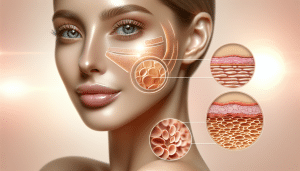
Retinol’s mechanisms involve both surface and deeper layers of the skin. Once activated, it promotes new formation of blood vessels, encourages the shedding of dead cells, and increases the synthesis of essential proteins like collagen and elastin. These changes may contribute to improved skin elasticity and a smoother texture. While some improvements can be seen after several weeks, a full transformation is usually evident after a few months. Patience and consistency are key for those choosing to include retinol in their wellness and beauty rituals. Scientific literature routinely highlights this delayed but rewarding timeline.https://www.dermatologytimes.com/view/retinoid-treatments-once-daily-provide-similar-results
On a molecular level, retinol affects gene expression related to skin health. This impact leads to normalization of cell maturation in the epidermis, reducing build-up of rough patches and irregular pigmentation. By targeting melanin production, retinol can help fade dark spots associated with sun exposure or hormonal changes. For individuals interested in an even-toned, luminous complexion, these benefits have sparked enduring fascination and frequent research into retinol’s optimal formulations and concentrations. Not all products are created equal, so efficacy may depend on how the ingredient is stabilized and delivered.https://www.ncbi.nlm.nih.gov/pmc/articles/PMC6017965/
The science suggests that retinol also helps calm inflammation within the skin, making it a possible adjunct in the management of conditions like mild acne or post-inflammatory discoloration. Multiple studies point to its dual action—shedding old skin cells while supporting the foundation for new, resilient skin. The cumulative effects of these processes are what lead so many to consider retinol an essential pillar of modern skincare for both visible rejuvenation and long-term maintenance.https://www.webmd.com/skin-problems-and-treatments/retinol-for-face
Choosing and Using Retinol: What to Know
Navigating the skincare aisle reveals a range of retinol concentrations and product formats—from serums to creams and oils. Beginners are generally advised to start with a lower concentration, gradually building tolerance as the skin adapts. Application typically occurs in the evening, after cleansing and before moisturizers or other targeted treatments. This routine minimizes potential sensitivity and allows the ingredient to work with the body’s nightly skin repair processes. Over-enthusiasm or misunderstanding of dosing can lead to temporary redness or dryness—reminders that moderation is important.
Beyond concentration, product formulation matters. Encapsulated retinol is gaining attention for its controlled-release properties, which can offer a steadier and potentially less irritating introduction to vitamin A derivatives. Specific skin goals, whether minimizing fine lines or addressing uneven pigmentation, may guide which format or concentration is preferred. Reading ingredient lists, consulting trusted resources, or even seeking guidance from a dermatologist can help consumers make informed choices that align with their wellness intentions. Sensitivity is common during the adjustment phase, but often resolves with consistent use.
First-time users often benefit from the practice of “skin cycling,” an approach that spaces out potent active ingredients to avoid overwhelm and encourage recovery. Pairing retinol with barrier-supporting ingredients like ceramides or hyaluronic acid is another approachable strategy for maintaining comfort and hydration. As with any new addition to a beauty regime, individual factors—such as current skincare habits, age, and past reactions—play a significant role in the overall experience. No single regimen fits all, but adopting a thoughtful, patient mindset may empower lasting results.
Expectations, Results, and Ongoing Care
Realistic expectations are important when exploring the effects of retinol in skincare. Visible improvements—such as smoother texture and reduction in fine lines—tend to emerge over twelve weeks or longer, depending on starting condition and product strength. Initial dryness, peeling, or mild redness are commonly reported, but usually temporary and part of the adaptation process. Skin generally builds tolerance, leading to fewer side effects as time progresses.https://www.aad.org/public/diseases/acne/retinoid-treatment
For sustained benefits, daily sun protection is nonnegotiable while using retinol. The active ingredient can increase the skin’s susceptibility to sunburn, making broad-spectrum SPF a daily companion. This is especially important for individuals working on fading hyperpigmentation, as UV exposure can undermine progress. Staying consistent with sunscreen and mindful application of retinol is central to safe, effective results. Regular hydration also supports skin recovery and comfort as the complexion transforms.
Establishing a gentle, supportive system around retinol use is crucial for long-term success. That means giving the skin adequate rest between applications, staying vigilant for signs of irritation, and adjusting routines as conditions change. Many who have reaped the rewards of retinol describe a gradual improvement that peaks after several months, with maintenance continuing indefinitely. For ongoing skin wellness, retinol is most powerful when paired with balanced care and realistic goals for beauty that endures.
Complementing Retinol with Holistic Beauty Habits
Retinol is only one piece of the puzzle when pursuing healthy, glowing skin. Diet, hydration, and stress management also play influential roles. Nutrient-rich foods—particularly those with vitamins C and E—bolster the body’s resilience against environmental stressors and can synergize with a topical retinol routine. Adequate hydration, both internally and as part of a moisturizer, supports the skin’s natural barrier and recovery capacity. These holistic habits work in harmony with retinol, maximizing its restorative potential within a broader framework of self-care.https://www.hsph.harvard.edu/nutritionsource/vitamins/vitamin-a/
Mental well-being and sufficient sleep remain unsung heroes of beauty. Studies continue to reveal the interactions between stress hormones, inflammation, and the appearance of the skin. Relaxation techniques, sleep hygiene, and routines that foster calm all contribute to skin recovery and radiance. Integrating practices such as mindfulness or gentle exercise provides indirect support to retinol’s direct effects, leading to a more integrated, lasting sense of wellness.
For those seeking a comprehensive transformation, it can be helpful to think of retinol as one aspect of a dynamic daily ritual. Layering it thoughtfully among other proven strategies leads to a richer, more sustainable outcome. Skin health is not determined by a single ingredient but by the balanced interplay of nutrition, movement, rest, and protective habits. An empowered approach sees retinol as an accessory rather than a remedy—one that amplifies, rather than solely determines, beauty and wellness for the long term.
References
1. Mukherjee, S., Date, A., Patravale, V., et al. (2006). Retinoids in the treatment of skin aging: an overview of clinical efficacy and safety. Retrieved from https://www.ncbi.nlm.nih.gov/pmc/articles/PMC2699641/
2. American Academy of Dermatology Association. Retinoids: What they are and why they’re used. Retrieved from https://www.aad.org/public/everyday-care/skin-care-secrets/anti-aging/retinoids
3. Healthline. (Reviewed by C. Stevenson, M.D.). How does retinol help with acne? Retrieved from https://www.healthline.com/health/beauty-skin-care/retinol-for-acne
4. Dermatology Times. Retinoid treatments: Once-daily provides similar results. Retrieved from https://www.dermatologytimes.com/view/retinoid-treatments-once-daily-provide-similar-results
5. WebMD Medical Reference. Retinol for face: What it is and how to use it. Retrieved from https://www.webmd.com/skin-problems-and-treatments/retinol-for-face
6. Harvard T.H. Chan School of Public Health. The Nutrition Source: Vitamin A. Retrieved from https://www.hsph.harvard.edu/nutritionsource/vitamins/vitamin-a/

 You Won’t Believe These Smart Home Innovations