Unveiling Secrets to Brighter Skin You Never Considered
Emily Ward September 28, 2025
Curious about how to achieve radiant, glowing skin at home? Explore practical evidence-based strategies for brighter skin, from the science of skin renewal to natural remedies and professional advice that can help reveal your complexion’s full potential.
The Science Behind Glowing Skin
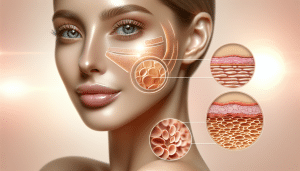
Healthy, glowing skin starts beneath the surface. Skin brightness depends on a complex interplay of cell turnover, hydration, environment, and melanin distribution. Regular shedding of old cells, known as exfoliation, allows fresher, newer cells to take their place—contributing to a naturally luminous complexion. When environmental stressors such as UV damage or air pollution disrupt this process, skin can begin to look dull and tired. Understanding this science is foundational for creating routines that help unlock natural brightness and resilience.
Cellular renewal slows as people age, causing dead cells to accumulate on the surface and reflect less light. Factors such as hydration levels, sleep quality, and stress also visibly impact skin health. Drinking enough water daily and maintaining a nutrient-rich diet with antioxidants aids natural repair and defense systems. With adequate support, skin is better equipped to repair minor daily damage, which can help restore a more radiant look—important for anyone seeking lasting changes instead of quick fixes.
Melanin, the pigment that gives skin its color, plays a significant role in overall brightness and evenness. An imbalance—too much in some spots, too little in others—can lead to hyperpigmentation and uneven tone. Tailoring skincare routines to include both protective and gentle brightening ingredients, such as vitamin C, can support more uniform melanin distribution. These knowledge-backed basics serve as the ground floor for strategies aiming at natural radiance.
Daily Habits That Enhance Skin Brightness
Small daily rituals have a profound, cumulative effect on skin health. Consistent cleansing removes debris, oil, and pollutants that accumulate throughout the day. Gentle exfoliation, typically two or three times per week, can help slough away dead skin cells that dull the complexion. Look for products with ingredients like alpha hydroxy acids (AHAs) and beta hydroxy acids (BHAs), which promote brightness. However, over-exfoliating can cause sensitivity, so moderation is key to maintaining a radiant yet balanced appearance.
Moisturizing is crucial. Well-hydrated skin reflects light more evenly, giving it a noticeable sheen. Choose moisturizers that contain hyaluronic acid, ceramides, or squalane to help reinforce your natural barrier. Consistently applying sunscreen—rain or shine—is also essential, as sun damage is a hidden culprit behind gradual dark spots and lost radiance. UV protection stops further pigmentation from forming while existing spots fade, offering a dual benefit for anyone hoping to reclaim a more youthful, luminous look.
Holistic routines extend beyond topical care. Prioritize sleep and incorporate stress-reducing activities, such as meditation or light exercise, to encourage optimal skin function. Scientific research links high stress with increased inflammation and flare-ups of skin issues like acne and redness. Mindfulness practices not only benefit emotional well-being, but can reveal subtle changes in your skin’s natural glow over time, affirming the value of integrating both internal and external ritual for well-rounded beauty support (Source: https://www.ncbi.nlm.nih.gov/pmc/articles/PMC7959775/).
Nutritional Pathways to Radiance
What you eat directly reflects in your skin’s appearance. Research supports the idea that consuming antioxidant-rich foods, like berries and leafy greens, provides cellular protection against free radical damage—which is known to contribute to premature dullness and pigmentation irregularities. Omega-3 fatty acids, found in foods like salmon or walnuts, help maintain the skin’s lipid barrier. This increases moisture retention, leading to a smoother, dewier look over time (Source: https://www.hsph.harvard.edu/nutritionsource/omega-3-fats/).
Vitamins also play a supporting role. Vitamin E, often found in nuts and seeds, works alongside vitamin C to support the body’s natural sun defense mechanisms. These nutrients assist in fading existing dark spots and strengthening the skin’s resistance to new pigment formation. Staying mindful of overall sugar intake can help, too—diets high in added sugars have been associated with increased inflammation and glycation, which may accelerate skin aging and reduce luminosity (Source: https://www.health.harvard.edu/staying-healthy/foods-that-fight-inflammation).
For some, nutritional supplements offer a targeted boost. Topical application of vitamin C serums or oral zinc supplementation—when balanced appropriately—can contribute to healing, even tone, and a healthy glow. It’s best to consult with a medical professional before adding supplements, since needs can vary. Rather than searching for miracle cures, a balanced, colorful diet combined with evidence-based supplementation (when needed) leads to genuine improvements in both skin brightness and overall wellness.
Popular Natural Remedies and What Science Says
Many individuals are drawn to natural solutions for skin brightness—like turmeric masks or aloe vera applications—for their gentle reputation and historical use. Turmeric is valued for its curcumin content, recognized for anti-inflammatory and antioxidant effects. Science shows that regular topical use may help reduce mild hyperpigmentation, although long-term studies remain limited. When considering new home remedies, looking for research-backed results provides confidence in safety and predictable outcomes (Source: https://www.ncbi.nlm.nih.gov/pmc/articles/PMC6617545/).
Green tea extract is another popular natural option. Applied topically, it offers both anti-inflammatory and sun-protective properties. Some studies indicate it may inhibit melanin production, leading to slightly enhanced brightness over extended use. Aloe vera, commonly applied for soothing sunburns, helps replenish moisture and calm irritation. These gentle botanicals can be beneficial for sensitive skin types or as supplementary measures alongside more standardized routines. Combining different natural methods may boost benefits when applied consistently and correctly.
Caution is advised with homemade treatments that can potentially irritate, such as lemon juice—a traditional brightener but highly acidic and prone to causing photosensitivity or burns. It’s generally safer to select commercially prepared extracts or serums that rely on standardized dosing for effectiveness and safety. Ultimately, integrating science-based natural remedies into daily routines supports gradual, sustainable improvements in skin appearance, forming a harmonious bridge between tradition and modern research.
Professional Insights and When to Seek Help
Sometimes, at-home routines alone may not yield the desired radiance. Consulting board-certified dermatologists can unlock insights into advanced treatments—such as chemical peels, microdermabrasion, or prescription topicals—that address persistent dullness or pigmentation. These options often deliver more dramatic, targeted results while being supported by robust scientific monitoring (Source: https://www.aad.org/public/diseases/a-z/skin-care).
Dermatologists also help identify underlying issues like hormonal imbalances, medication side effects, or chronic conditions (such as melasma or eczema) that may require a different approach. Early professional evaluation can prevent potential worsening of symptoms and protect the natural barrier from unintentional damage due to overuse of incorrect products. Specialist-guided routines generally involve stepwise adjustments—focused on long-term health, not quick, unsustainable results.
It’s smart to look for unexpected changes, persistent redness, or sudden pigment shifts. These could be warning signs for more serious conditions like skin cancer or autoimmune disorders. Regular skin checks, both self-examinations and professional appointments, are essential for overall safety and confidence. While home care plays an important role in daily maintenance, professional expertise ensures both results and peace of mind, merging beauty goals with holistic health.
Understanding Product Labels for Informed Choices
Navigating the world of skincare products can be confusing, with buzzwords and bold promises everywhere. Focusing on ingredient labels rather than fancy packaging or marketing ensures you’re choosing what truly benefits your skin. Active ingredients like niacinamide, vitamin C, and licorice extract repeatedly appear in research for their brightening properties. Look for concentrations clearly indicated; effectiveness often depends on correct dosing (Source: https://www.ncbi.nlm.nih.gov/books/NBK459445/).
Allergic reactions or sensitivities sometimes arise when people switch to unfamiliar ingredients. A patch test before regular use minimizes risk. Check for fragrances and alcohols, which can irritate or dry out sensitive skin. Understanding the difference between cosmeceuticals—products with biological activity—and traditional cosmetics (which focus mainly on appearance) allows more targeted choices for individual concerns. Reading labels closely leads to informed, empowered decisions.
Phrases like “dermatologist tested” and “hypoallergenic” sound reassuring, but aren’t strictly regulated. Instead, rely on ingredient transparency and credible clinical studies. Consulting online ingredient databases or resources managed by reputable medical associations helps clarify doubts. Ultimately, a little research combined with ongoing observation of your skin’s response will reveal which products unlock your most luminous complexion, supporting wellness as much as beauty.
References
1. American Academy of Dermatology. (n.d.). Skin care. Retrieved from https://www.aad.org/public/diseases/a-z/skin-care
2. Harvard T.H. Chan School of Public Health. (n.d.). Omega-3 fatty acids: An essential contribution. Retrieved from https://www.hsph.harvard.edu/nutritionsource/omega-3-fats/
3. Harvard Health Publishing. (n.d.). Foods that fight inflammation. Retrieved from https://www.health.harvard.edu/staying-healthy/foods-that-fight-inflammation
4. National Center for Biotechnology Information. (2019). Effect of turmeric (Curcuma longa) on skin health: A systematic review. Retrieved from https://www.ncbi.nlm.nih.gov/pmc/articles/PMC6617545/
5. National Center for Biotechnology Information. (n.d.). Nutritional care for healthy skin. Retrieved from https://www.ncbi.nlm.nih.gov/books/NBK459445/
6. National Institutes of Health. (2021). Mind and skin: Psycho-dermatology in practice. Retrieved from https://www.ncbi.nlm.nih.gov/pmc/articles/PMC7959775/

 Unlocking Next-Gen AI Tools for Everyday Life