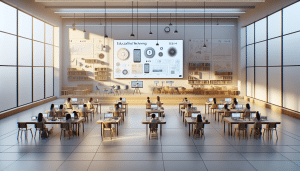
Unlocking Your Potential Through Online Education
Clara Mitchell September 27, 2025
Discover how online learning is shaping modern education and providing accessible opportunities for personal and professional growth. This guide covers digital skills development, e-learning platforms, flexible study options, and the evolving role of virtual classrooms in society.
The Rise of Online Learning Platforms
Online learning platforms have redefined the landscape of education, offering accessible pathways for learners worldwide. Platforms like Coursera, edX, and OpenLearn provide structured courses covering a wide array of topics, from data science to creative writing. This digital transformation in education allows individuals to choose lessons that fit their schedules and pace, eliminating traditional geographical and time constraints. For many, the flexibility of online education enables the pursuit of knowledge alongside work or family commitments. The integration of interactive tools, videos, and discussion forums on these platforms simulates an engaging classroom environment, further enhancing the learning experience.
The democratization of education through e-learning also means that a broader spectrum of learners can acquire new skills. Many platforms offer programs designed in partnership with top universities or renowned industry experts, ensuring credibility and meaningful outcomes. These partnerships frequently result in certifications that can bolster a learner’s resume or LinkedIn profile, showcasing proficiency in in-demand fields. Moreover, the expansive catalog of courses in subjects like digital marketing, coding, and public health allows individuals to pivot careers or diversify their knowledge base efficiently.
Accessibility and convenience are central factors fueling the growth of online learning. With internet connectivity expanding globally, even remote or underserved regions are gaining access to world-class education. The cost structure is often more affordable than traditional in-person programs, reducing financial barriers for many students. This evolution of learning presents exciting possibilities for continuous personal and professional development throughout one’s life, fostering a culture where everyone can unlock their potential and adapt to changing workforce needs.
Digital Skills: The New Essential Toolkit
As workplaces transform under the influence of technology, digital skills have become critical assets in almost every sector. Online education offers targeted programs in areas such as computer programming, data analysis, digital communication, and cloud computing. Employers increasingly value candidates who demonstrate proficiency in these domains, as they are better equipped to navigate modern job challenges. Courses teaching skills like Excel, social media analytics, and cybersecurity help bridge the skills gap in today’s job market, ensuring individuals remain employable and competitive.
In addition to technical skills, e-learning platforms frequently address essential soft skills like project management, leadership, and teamwork. These abilities are fundamental for evolving careers and maintaining productivity in a digital environment. Learners can practice and hone these competencies through real-world scenarios embedded within online modules. Peer interaction facilitated by discussion boards and group projects cultivates a sense of community, which is often missing in solitary self-study environments.
The structured approach of many online courses allows learners to systematically build knowledge, starting with fundamental concepts and progressing to advanced applications. This scaffolding not only boosts confidence but also fosters lifelong learning habits. As industries continue to innovate, staying current with new technologies and practices becomes paramount, and online education emerges as the most adaptable solution for continuous upskilling.
Flexible Learning: Balancing Life and Studies
Flexibility is perhaps the biggest draw of online education for working adults, parents, and students with diverse schedules. Unlike traditional classrooms, virtual learning environments accommodate asynchronous participation, meaning lessons and assessments can be completed at the learner’s convenience. This flexibility supports a better work-life-study balance and allows more people to pursue their educational ambitions without sacrificing other responsibilities.
Many online programs offer self-paced modules, empowering learners to proceed through content as quickly or slowly as needed. Individuals who grasp concepts swiftly can accelerate their progress, while those needing extra time aren’t pressured by rigid class timelines. This personalized pacing is ideal for adult learners, career changers, or anyone with unpredictable daily routines. The result is increased retention and greater satisfaction with the educational experience.
In addition to study schedule flexibility, online education can be tailored in terms of curriculum. Learners often have the autonomy to select electives or specialized tracks aligned with their interests or specific career goals. This customizability stands out compared to the sometimes limited offerings in conventional institutions, highlighting another way online learning is uniquely capable of supporting individual aspirations in education and professional development.
The Impact of Virtual Classrooms on Society
The integration of virtual classrooms is reshaping social structures by making learning accessible beyond borders. Educational equity improves when resources, expertise, and mentorship traditionally reserved for a few become available to anyone with an internet connection. Students from rural or marginalized communities can collaborate with their urban or international peers, fostering cultural exchange and shared perspectives.
Virtual classrooms are breaking down other barriers as well; individuals with disabilities can often participate more easily due to accessible design features and adaptable content delivery. Forums, recorded lectures, and digital handouts reduce common obstacles faced in traditional educational settings. By increasing participation and representation, these platforms contribute to more inclusive learning environments and improved outcomes for diverse groups.
Long-term, virtual classrooms promote social innovation. They support not just academic achievement but also civic engagement and digital literacy. Educators can experiment with new instructional tools, measure outcomes in real time, and adjust approaches according to student feedback. As a result, both learners and society at large are better equipped to thrive in a fast-changing, interconnected world.
Choosing the Right E-Learning Platform
With a multitude of online education options available, selecting an appropriate e-learning platform can feel overwhelming. It helps to start by assessing individual learning goals, preferred teaching styles, and accreditation status. Some platforms focus on technical training and job readiness, while others prioritize academic enrichment or personal interests. The legitimacy and recognition of a course or certificate are crucial factors for those wanting credentials that add value in the workplace or academic applications.
Another key consideration is the range of support services provided. Access to live instructors, career counseling, and peer networks may improve the online learning journey. Comparing user reviews, success stories, or alumni outcomes can illuminate strengths and weaknesses of various platforms. Many organizations even offer preview classes, scholarships, or free modules, making it easier for learners to get a feel for course content and structure before making a commitment.
Affordability and technological requirements also play a major role in decision-making. While some platforms provide free educational resources, others require payment or subscription fees. Assessing whether a program fits within one’s budget and is accessible via available devices helps avoid surprises. Ultimately, matching personal aspirations with the right e-learning platform maximizes the benefits of online education and opens doors to new learning adventures.
Continuous Learning and Societal Progress
The culture of continuous learning fostered by online education reaches beyond individual gains. When entire populations embrace lifelong upskilling, societies become more adaptable, innovative, and resilient. Workforce development programs use e-learning to address fast-changing industry demands efficiently, closing skill gaps and expanding employment opportunities for diverse groups. As a result, economies experience sustained growth and a more resilient labor market.
Education has always played a pivotal role in promoting social mobility. Online education strengthens this effect by lowering traditional barriers. It empowers underrepresented groups and supports equitable development. Widespread access to online resources means that learners previously excluded due to cost, location, or societal constraints are now able to participate fully in the global digital society.
Online education is also increasingly woven into community and public sector programs. From public libraries to government agencies and nonprofits, many entities collaborate with e-learning platforms to offer training, certification, and skills development workshops. These ongoing initiatives reflect a broader societal shift toward valuing education as an ongoing journey rather than a one-time event—a shift that has positive implications for communities everywhere.
References
1. edX. (n.d.). About edX. Retrieved from https://www.edx.org/about-us
2. Coursera. (n.d.). About Coursera. Retrieved from https://www.coursera.org/about
3. UNESCO. (n.d.). Education: From disruption to recovery. Retrieved from https://en.unesco.org/covid19/educationresponse
4. OpenLearn. (n.d.). Free Courses. Retrieved from https://www.open.edu/openlearn/free-courses
5. U.S. Department of Education. (n.d.). Advancing Educational Technology in Teacher Preparation. Retrieved from https://tech.ed.gov/teptoolkit/
6. World Economic Forum. (n.d.). The future of jobs report. Retrieved from https://www.weforum.org/reports/the-future-of-jobs-report-2020

 You Can Master Digital Skills for Modern Careers