Transform Your Living Room With Minimalist Decor
Clara Mitchell September 27, 2025
Uncover easy ideas to give your living room a fresh update using minimalist decor. This guide explores trending minimalist techniques, affordable room transformations, and clever design tips that create a calm, clutter-free environment—no matter your home’s size or style.
Why Minimalist Decor Captures Attention
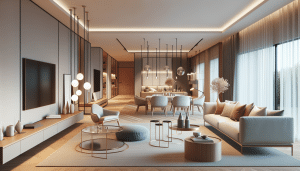
Minimalism is more than a trend. It’s a lifestyle choice that brings peace and purpose into any living room. The minimalist decor movement focuses on curated furniture, intentional color palettes, and the removal of unnecessary clutter. With so many distractions in modern life, a minimalist space helps you refocus. It creates an inviting and calm environment for relaxation and connection. Many homeowners are discovering that styling a living room with less actually makes the space feel bigger, brighter, and more welcoming.
There’s growing interest in minimalist living room decor for good reason. A pared-back space can be adapted to any home, whether it’s a city apartment or a suburban house. The fewer items you display, the more each piece is noticed and valued. This approach not only creates visual harmony, but also gives an instant sense of order. Interior design experts often mention that people experience less stress and greater satisfaction when surrounded by quality rather than quantity https://www.apa.org/news/press/releases/2018/05/clutter-stress.
Minimalist living is about thoughtful choices. Instead of constantly chasing trends, many now seek timeless designs, such as elegant Scandinavian-inspired furniture or crisp monochrome palettes. What matters most is how an uncluttered space enables you to relax and recharge. By shifting focus onto simplicity and breathable layouts, you pave the way for restorative downtime in your living room. Minimalist decor also makes cleaning and maintenance much easier over time.
Choosing the Essentials for Your Living Room
Minimalist design encourages you to prioritize function as much as form. When considering new furniture or decor, start by asking what you truly need. Sofas, coffee tables, and lighting are essentials, but choose pieces that offer comfort, storage, or modularity. Different textures—think linen, leather, or wood—can bring warmth to neutral color schemes. A soft rug or a single striking wall print can add visual interest without overwhelming the space. Minimalist doesn’t mean empty; it means intentional.
One of the most practical tips in minimalist decor is to invest in multi-functional furniture. Ottomans with built-in storage, nesting tables, or wall-mounted shelves keep everyday items organized without messy visual clutter. Many people discover that by selecting furniture with clean lines and compact footprints, small rooms actually feel larger. Storage doubles as decor when baskets and boxes are attractive as well as useful. Avoid over-accessorizing—display only your favorite books, candles, or ceramic pieces to maintain a balanced look.
Color also plays a powerful role in minimalist living rooms. Most designers recommend a palette based on white, gray, beige, or soft earth tones, as these hues reflect natural light and soothe the senses. A monochromatic background lets accent pieces stand out: a leafy houseplant, a single piece of modern art, or a geometric lamp. By narrowing your choices and sticking to a clear vision, the whole room feels cohesive and inviting. Sometimes, the smallest change—like replacing dark curtains with sheer drapes—can make all the difference.
Decluttering for a Mindful Space
Decluttering is at the core of minimalist decor. This isn’t just about getting rid of things at random, but about making thoughtful decisions about what deserves a place in your living room. Decluttering can feel overwhelming at first. Start with smaller items, like magazines or throw pillows, before moving on to larger objects. Take a moment to evaluate what is truly used or loved. Consider donation or recycling for items no longer needed—this process supports both your mental health and the environment https://www.ncbi.nlm.nih.gov/pmc/articles/PMC5455070/.
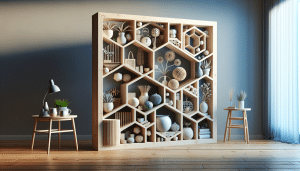
As clutter disappears, new space is revealed. Flat surfaces like coffee tables or sideboards don’t need to be covered in accessories. Instead, a minimalist living room embraces negative space—areas without decoration or furniture. This ‘breathing room’ draws attention to chosen items and fosters instant calm. Open shelving, if used, should be thoughtfully styled with only a few special pieces. Even cable management—hiding wires and electronics—adds to the sense of order in your space.
To maintain a clutter-free living room long-term, many recommend a habit called ‘one in, one out.’ For every new item added, another is removed. Over time, you’ll notice a deeper connection with your environment. You become more mindful of purchases and less attached to trends that fade. Minimalism isn’t just a design choice—it’s a practice that supports daily mindfulness and contentment. Even the act of regular cleaning becomes easier, since there’s simply less to dust and organize.
Incorporating Texture and Light for Warmth
Minimalist spaces can sometimes feel cold if not carefully styled. The smartest designers recommend introducing warmth through varied textures and clever lighting. Think of wood floors, wool throws, canvas cushions, and natural fiber rugs. These touches create coziness without clutter. Contrast matte and glossy finishes—a glass side table next to a velvet sofa, for example—to keep things visually interesting. Layered lighting is another trick: combine natural daylight, ambient ceiling lights, and floor lamps for flexible mood settings.
Plants make excellent additions in minimalist rooms. A single leafy palm or collection of succulents provides a refreshing pop of green—nature’s own accent color. Houseplants clean indoor air and positively influence well-being, according to many wellness experts https://www.ncbi.nlm.nih.gov/pmc/articles/PMC4419447/. Place them strategically by windows or on open shelves. Choose simple ceramic pots or glass vases to preserve visual simplicity. If real plants are out of reach, quality faux greenery creates the same effect without the maintenance.
Window treatments also set the scene. Sheer drapes, bamboo shades, or even minimalist blackout blinds are all stylish choices. Let sunlight flood the space whenever possible—it visually expands the room and highlights every thoughtful detail. At night, dimmable floor or table lamps are perfect for movie nights or quiet evenings with a book. Remember: a minimalist living room is meant to be lived in. Don’t sacrifice comfort for appearance. Find the perfect balance so your style feels just as relaxing as it looks.
Personalizing Your Minimalist Living Room
Minimalist decor thrives on personal touches. Customizing a space with meaningful artwork, heirlooms, or photographs turns a simple living room into a reflection of you. Select artwork that inspires calm—abstract paintings, monochrome prints, or serene landscapes are all lovely options. Use oversized frames or bold borders to make a statement. A single gallery wall, neatly arranged in a grid, can bring personality while staying visually organized. Personal objects, when carefully chosen, feel extra special in a pared-back environment.
Books can also serve as stylish decor. Arrange a few favorite reads on your coffee table or built-in shelves, stacked horizontally or leaning upright. Echo colors from the books’ covers in your throw pillows or vases to create subtle harmony. Adding music players, artistic speakers, or a cozy reading nook brings extra life to the space. A minimalist philosophy is compatible with creativity—sometimes all it takes is one colorful pillow, a woven basket, or a well-chosen textile to add character.
Natural elements enhance relaxation and uniqueness. Stones, shells, or wooden objects connect the room to the outdoors. Some people display travel souvenirs, but in small quantities to avoid visual clutter. The real secret is balance: each item should serve a purpose or spark a pleasant memory. Minimalist decor evolves with your interests and lifestyle. Over time, you’ll find that a thoughtfully edited living room becomes your favorite spot to unwind, entertain, or daydream.
Budget-Friendly Minimalist Updates
Minimalist decor isn’t only for luxury homes. Many of the most effective updates cost very little. Rearranging existing furniture, painting walls a crisp white or pale gray, or decluttering shelves can totally change the mood in just a weekend. DIY shelf projects, secondhand finds, and repurposed items all fit the minimalist ethos. Try swapping bulky armchairs for lightweight stools or using mirrors to reflect more light. Affordable art prints and pillow covers offer easy seasonal refreshes.
Online resources are abundant for those seeking cost-friendly inspiration. Interior design platforms and digital magazines share minimalism challenges, home tours, and room mock-ups. Many online stores specialize in minimalist furniture at a range of price points. Before shopping, create a mood board with favorite looks and a list of priorities. This clarifies your vision and prevents unnecessary spending on impulse buys. Remember, the essence of minimalism is less is more—buying thoughtfully, not excessively.
Minimalist living is sustainable. Decluttering or rehoming unused items reduces waste and supports community need through donation. Energy-efficient lighting and recycled-material furnishings are popular in eco-conscious designs (see more at https://www.epa.gov/recycle). At every budget and for every home, minimalist living room decor offers both serenity and creativity. As you experiment, notice which choices make daily living feel simpler and more enjoyable.
References
1. American Psychological Association. (2018). Clutter, stress, and anxiety: How homes impact well-being. Retrieved from https://www.apa.org/news/press/releases/2018/05/clutter-stress
2. Dobbelsteyn, M. (2017). Environmental clutter as a chronic stressor: Implications for health and well-being. Retrieved from https://www.ncbi.nlm.nih.gov/pmc/articles/PMC5455070/
3. Bringslimark, T., Hartig, T., & Patil, G. (2009). The psychological benefits of indoor plants. Retrieved from https://www.ncbi.nlm.nih.gov/pmc/articles/PMC4419447/
4. United States Environmental Protection Agency. (n.d.). Reduce, reuse, recycle. Retrieved from https://www.epa.gov/recycle
5. The Spruce. (n.d.). Decor ideas for minimalist living rooms. Retrieved from https://www.thespruce.com/minimalist-living-room-ideas-5086988
6. Architectural Digest. (n.d.). Minimalist living room inspiration. Retrieved from https://www.architecturaldigest.com/gallery/minimalist-living-rooms

 Secrets to Thriving Indoor Plants in Every Room