Smart Home Devices That Enhance Everyday Life
Ryan Collins September 25, 2025
Smart home devices that enhance everyday life are no longer futuristic luxuries—they’re everyday essentials. From AI-powered assistants to energy-saving appliances, these innovations are redefining comfort, security, and convenience at home.
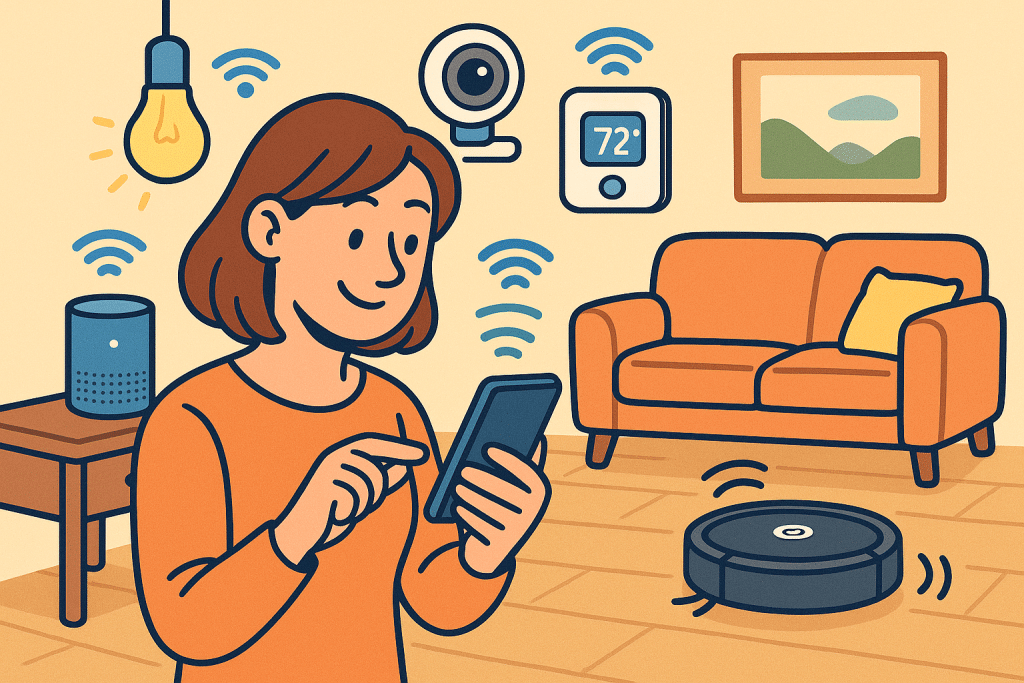
The Rise of Smart Home Devices in 2025
The smart home industry has seen explosive growth. According to Statista, the global smart home market is projected to surpass 230 billion dollars by 2028, driven by consumer demand for automation, sustainability, and security (Statista 2024).
In 2025, the focus has shifted from isolated gadgets to integrated ecosystems. Homeowners now expect their devices to “talk” to one another, creating seamless experiences. For instance, smart thermostats can sync with occupancy sensors, adjusting temperature automatically when you leave for work.
Why Smart Home Devices That Enhance Everyday Life Are in Demand
Three major factors are fueling adoption:
- Convenience – Automating mundane tasks like turning off lights, adjusting blinds, or running the dishwasher.
- Energy Efficiency – Smart plugs, meters, and thermostats save on energy bills and support sustainability goals.
- Safety and Security – Devices like video doorbells, smart locks, and AI-driven cameras provide peace of mind.
The growing shift to hybrid and remote work has also increased reliance on smart home devices that enhance everyday life, since homes now double as offices and entertainment hubs.
Top Smart Home Devices Transforming Daily Life
1. AI-Powered Voice Assistants
Voice assistants have evolved beyond setting reminders. Amazon Alexa, Google Assistant, and Apple’s Siri are now central hubs for controlling multiple devices. In 2025, these assistants leverage generative AI to provide personalized recommendations—from adjusting lighting for productivity to suggesting recipes based on what’s in your fridge.
2. Smart Security Ecosystems
Security remains a top priority. Modern solutions combine:
- Smart locks with biometric authentication
- Video doorbells that detect packages and faces
- Indoor cameras with AI to distinguish between pets and intruders
A Consumer Technology Association report found that over 65% of smart home adopters consider security features the most valuable upgrade (CTA 2023).
3. Energy-Saving Thermostats and Appliances
Smart thermostats like Nest and Ecobee continue to grow in popularity because they cut energy costs by up to 15% annually (U.S. Department of Energy 2023). Paired with smart appliances, such as refrigerators that optimize cooling cycles, homeowners save money while reducing environmental impact.
4. Smart Lighting Systems
LED-based smart lighting not only reduces electricity bills but also supports circadian rhythm adjustments. For example, Philips Hue can mimic natural daylight patterns to improve sleep quality and productivity.
5. Home Health and Wellness Devices
Health-focused devices have emerged as one of the fastest-growing categories. Examples include:
- Smart air purifiers that detect pollutants in real-time
- Connected sleep trackers integrated into mattresses
- Smart kitchens with ovens that automatically adjust for nutrition-focused cooking
With indoor air quality and wellness gaining attention, these devices are no longer seen as luxury add-ons but essential home upgrades.
Smart Home Devices and Sustainability
Sustainability is at the heart of the smart home devices that enhance everyday life trend. From water-saving faucets to solar-integrated smart batteries, technology is making eco-friendly living more accessible.
A McKinsey report notes that households adopting smart energy solutions can cut carbon emissions by 20% compared to traditional homes (McKinsey 2023). As climate concerns grow, eco-smart devices are becoming mainstream choices for eco-conscious consumers.
Connectivity: The Shift to Matter and Thread Protocols
One of the biggest frustrations for consumers has been compatibility issues. Different ecosystems—Amazon, Apple, Google—often required separate hubs.
That’s changing with the rollout of Matter, a universal smart home protocol backed by major players. Devices using Matter can work seamlessly across ecosystems, reducing consumer confusion and future-proofing purchases.
Additionally, Thread, a low-power mesh networking protocol, ensures that smart devices stay connected even if Wi-Fi goes down. This leap in interoperability is set to accelerate adoption in 2025.
Smart Homes and Data Privacy Concerns
While benefits are clear, privacy remains a hot debate. Smart devices constantly collect data—from sleep patterns to voice commands. According to a Pew Research survey, 52% of Americans worry about companies using smart home data for surveillance or targeted advertising (Pew 2023).
Manufacturers are responding by offering:
- Local data processing (reducing reliance on cloud storage)
- Encryption-first systems
- Transparent privacy dashboards
These measures are essential for consumer trust as smart home ecosystems become more deeply integrated into daily routines.
How Smart Home Devices Enhance Everyday Life for Families
Families are among the biggest beneficiaries of smart home adoption. Examples include:
- Parents remotely checking in on kids via smart cameras.
- Elderly care aided by fall-detection sensors and medication reminders.
- Teens learning responsibility through chore management apps connected to smart speakers.
By blending safety, comfort, and efficiency, smart home devices support multigenerational living in ways that weren’t possible before.
The Future: What’s Next for Smart Homes?
Looking ahead, several trends will shape the future of smart homes:
- AI-Powered Predictive Homes – Homes that anticipate needs, like pre-heating ovens when you’re close to home.
- Integration with EVs – Smart homes syncing with electric vehicles for optimized charging schedules.
- Healthcare Integration – More devices monitoring chronic conditions like blood pressure or glucose, sending updates directly to doctors.
- Subscription Models – Instead of one-time purchases, companies may offer hardware as part of ongoing service packages.
Practical Tips for Getting Started with Smart Home Devices
If you’re new to smart homes, here’s how to begin without feeling overwhelmed:
- Start Small: Begin with a voice assistant or smart plugs.
- Focus on Needs: Prioritize devices that solve real pain points—security, energy bills, or wellness.
- Check Compatibility: Choose products that support Matter to ensure future compatibility.
- Plan for Expansion: Think about what you might want in 2–3 years and buy with that ecosystem in mind.
- Stay Secure: Always change default passwords and keep firmware updated.
Conclusion
Smart home devices that enhance everyday life are moving from “nice-to-have” to must-have essentials. They’re saving money, boosting security, improving health, and making daily routines effortless. As ecosystems become more interoperable and AI continues to advance, 2025 is shaping up to be the year smart homes truly feel intelligent.
References
- Statista. (2023) Number of smart homes worldwide from 2017 to 2027. Available at: https://www.statista.com (Accessed: 25 September 2025).
- Smith, C. (2022) How smart home devices are transforming modern living. Forbes. Available at: https://www.forbes.com/(Accessed: 25 September 2025).
- Energy.gov. (2023) Smart home technology: saving energy and money. U.S. Department of Energy. Available at: https://www.energy.gov (Accessed: 25 September 2025).

 Nutrition Practices That Improve Daily Energy