Smart Finance Practices That Encourage Savings
Jonathan Reed September 26, 2025
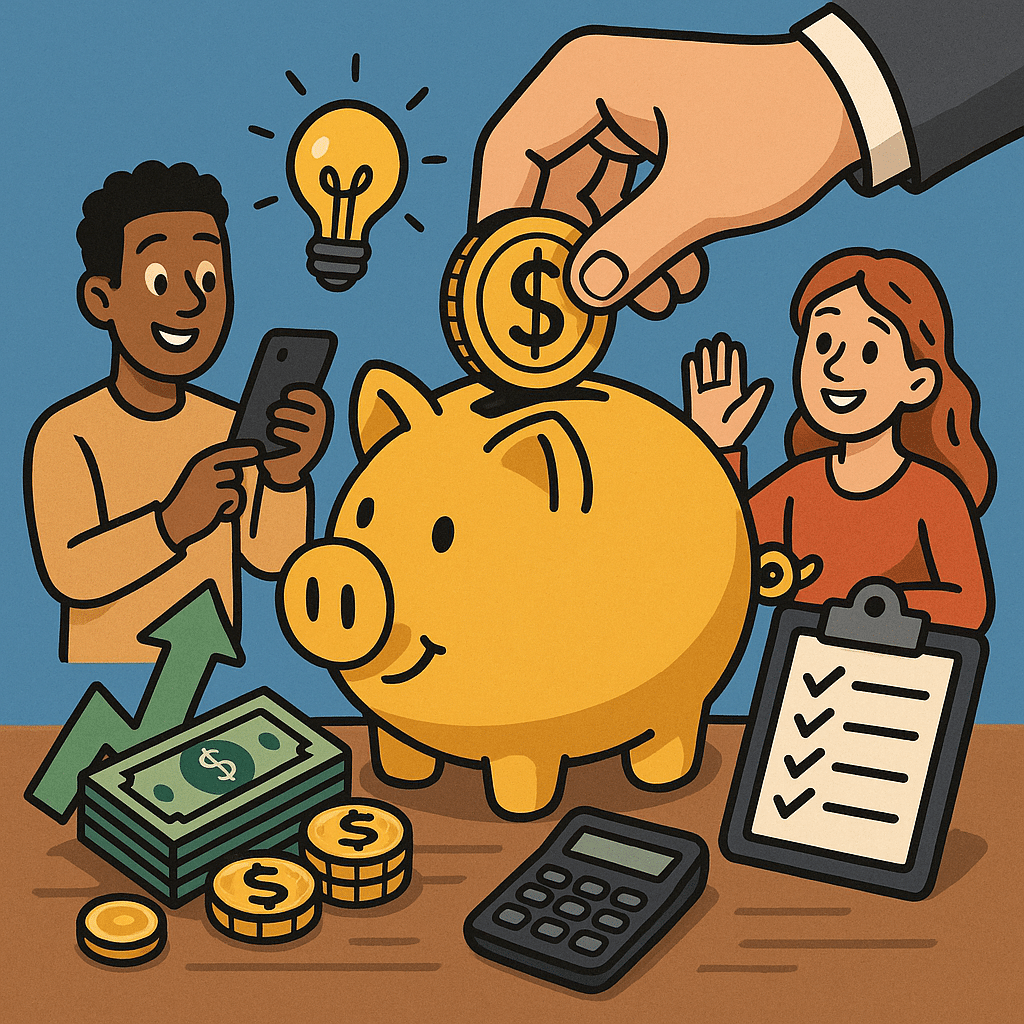
Smart finance practices that encourage savings are becoming more crucial than ever as inflation, digital spending, and new financial tools reshape how people manage money. In this guide, we explore the latest savings strategies, fintech innovations, and proven methods to help you keep more of what you earn.
Why Savings Habits Are Changing in 2025
Personal finance isn’t what it used to be. Traditional savings accounts once played a central role in building wealth. Today, however, the landscape is shifting due to:
- High inflation: Reduces the value of money saved in low-interest accounts.
- Digital consumption: Online shopping and subscriptions drain disposable income.
- Fintech disruption: Automated savings apps and investment platforms reshape habits.
A recent survey by Bankrate found that only 44% of U.S. adults could cover a 1,000 dollars emergency with savings, highlighting the urgent need for smarter financial practices (Bankrate 2023).
Core Smart Finance Practices That Encourage Savings
1. Automating Savings
The simplest and most effective strategy is paying yourself first. By automating transfers from checking to savings right after payday, you remove temptation and guarantee consistent contributions.
- Apps like Digit and Qapital use AI to analyze your spending and automatically save small amounts.
- Some banks now offer “round-up” features that round every purchase to the nearest dollar and save the difference.
Automation ensures that saving becomes a background habit instead of a conscious struggle.
2. High-Yield Savings and Digital Banks
Traditional savings accounts often pay interest rates below 0.5%. In contrast, high-yield online banks offer rates above 4% annually.
For example, as of early 2025, Ally Bank and SoFi both advertise APYs around 4.3% (NerdWallet 2025). This means your money grows faster without additional effort.
Switching to a high-yield account is one of the easiest smart finance practices that encourage savings over time.
3. Using Budgeting Frameworks That Actually Work
Not every budgeting method fits every lifestyle. The most effective frameworks in 2025 include:
- 50/30/20 Rule: 50% essentials, 30% wants, 20% savings/debt.
- Zero-Based Budgeting: Every dollar is assigned a role—no “leftover” cash.
- Cash Envelope Apps: Digital versions of old-school envelopes help control variable spending like dining out or shopping.
According to a CFPB report, households that track spending are 30% more likely to meet savings goals (CFPB 2022).
4. Emergency Funds as a Priority
Without an emergency fund, unexpected expenses—like car repairs or medical bills—lead to debt. A strong savings plan includes:
- Starter fund: 1,000 dollars to cover urgent small expenses.
- Fully funded emergency fund: 3–6 months of living expenses.
Building this safety net is one of the smartest finance practices because it prevents reliance on high-interest credit cards.
5. Taking Advantage of Employer Benefits
Many people leave money on the table by not maximizing 401(k) employer matches or health savings accounts (HSAs).
- Employer 401(k) matches are essentially free money.
- HSAs allow you to save for medical expenses with triple tax advantages (contributions, growth, and withdrawals are tax-free).
Failing to use these benefits slows long-term savings growth significantly.
6. Subscription and Lifestyle Audit
With streaming services, subscription boxes, and premium memberships, it’s easy to leak hundreds of dollars annually. Smart savers now perform:
- Quarterly subscription audits: Cancel unused or redundant services.
- Lifestyle cost comparisons: Evaluating whether conveniences (like food delivery) are worth the markup.
Research by C+R Research found the average American underestimates subscription costs by nearly 200 dollars/month (C+R Research 2022).
7. Micro-Investing and Fractional Shares
Smart finance practices that encourage savings aren’t just about traditional bank accounts—they now blend with investments.
- Platforms like Acorns invest your spare change.
- Brokerages like Robinhood and Fidelity let you buy fractional shares of major stocks.
This lowers the barrier to entry, letting savers grow wealth without needing thousands upfront.
8. Leveraging Buy Now, Save Later Models
While Buy Now, Pay Later (BNPL) services exploded during the pandemic, a new trend is emerging: Save Now, Buy Later (SNBL).
- Apps like Accrue Savings let users deposit into a goal-based wallet until they can purchase outright.
- Retailers sometimes incentivize this with discounts, encouraging saving instead of debt.
This approach flips consumer psychology—turning saving into a path to rewards instead of a delay.
9. Financial Literacy Through Gamification
Learning about money can be boring. That’s why fintech companies are gamifying the experience:
- Apps like Finch and Zogo turn saving challenges into games.
- Digital banks reward streaks of saving with bonuses.
Studies show gamification increases engagement with financial tools by up to 40% (World Economic Forum 2023).
10. Smart Debt Management as a Savings Strategy
Debt is the biggest obstacle to savings. Smart finance practices include:
- Debt avalanche method: Pay highest interest first.
- Debt snowball method: Pay smallest balances first for psychological wins.
By reducing interest paid, you free up more money for savings.
Emerging Trends in Savings Culture
AI-Powered Personal Finance Assistants
AI chatbots now act as financial advisors for everyday consumers. They:
- Track spending patterns.
- Suggest saving opportunities.
- Forecast cash flow risks.
This makes smart financial planning accessible beyond wealthy households.
Community and Social Savings
Apps now encourage group savings goals—whether for weddings, vacations, or emergency funds. Peer accountability boosts commitment.
Green Savings Accounts
Another emerging trend is sustainability-linked savings. Some banks now offer interest bonuses if you meet eco-friendly goals, like reducing carbon footprints or supporting renewable projects.
Practical Steps to Start Today
- Open a high-yield savings account.
- Automate at least 10% of income into savings.
- Audit subscriptions and unnecessary spending.
- Set a short-term savings goal using a gamified or SNBL app.
- Build a starter emergency fund before investing.
Conclusion
Smart finance practices that encourage savings are no longer limited to cutting back on lattes. In 2025, technology, psychology, and new financial models give individuals powerful tools to take control of their money. Whether it’s automation, gamification, or leveraging employer benefits, the key is building habits that make saving the default choice—not an afterthought.
References
- Federal Deposit Insurance Corporation (FDIC). (2023). How to Save Money: Strategies for Achieving Your Savings Goals. Available at: https://www.fdic.gov/resources/consumers/money-smart/ (Accessed: 26 September 2025).
- Organisation for Economic Co-operation and Development (OECD). (2022). Financial Literacy and Savings Behavior: Global Insights. Available at: https://www.oecd.org/finance/financial-education/ (Accessed: 26 September 2025).
- Investopedia. (2023). 10 Best Ways to Save Money. Available at: https://www.investopedia.com/articles/personal-finance/ (Accessed: 26 September 2025).

 Unexpected Ways Entrepreneurs Succeed Beyond Ideas