Secrets You Never Heard About Collagen And Youthful Skin
Emily Ward October 20, 2025
Curious how collagen influences radiant, youthful skin? This comprehensive guide explores little-known truths behind collagen’s role in beauty routines, natural ways to boost collagen, and insights on what really keeps skin smooth and glowing without the hype.
The Science Of Collagen And Skin Vitality
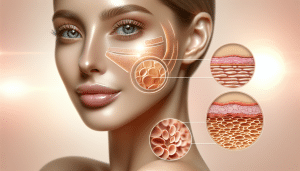
It’s easy to see why collagen is everywhere in the beauty and wellness community. As a naturally occurring protein in the body, collagen provides structure and elasticity to skin, making it essential for keeping a youthful appearance. Its fibrous network forms the foundation of skin, giving it firmness and resilience against gravity and environmental damage. When collagen is healthy, skin appears smooth, plump, and full of life.
Unfortunately, collagen doesn’t maintain itself effortlessly. Over time, and with increased exposure to sunlight, stress, and pollution, the body produces less collagen, resulting in the lines and sagginess that many want to avoid. Some studies show that the decline in collagen begins in the late 20s, accelerating as the years go on. This has a direct effect on how skin looks and feels, making the pursuit of collagen-supportive routines ever more relevant.
Inside the deeper layers of the skin, collagen works alongside elastin and hyaluronic acid to maintain moisture, strength, and bounce. A decline in this trio leaves skin less able to recover from micro-injuries and environmental stress. Understanding this connection helps make sense of why so many skincare approaches—serums, supplements, or treatments—target collagen. But behind every product, there is a fascinating science that governs skin health, and it all starts with preserving the body’s own ability to regenerate collagen naturally (Source: https://www.niams.nih.gov/health-topics/skin-health).
Everyday Habits That Boost Collagen Naturally
While supplements and creams flood the market, many underestimate the role that daily habits play in healthy collagen levels. Simple lifestyle tweaks—like wearing broad-spectrum sunscreen and eating a varied diet—can have profound effects. Antioxidant-rich foods, such as berries, leafy greens, and citrus fruits, help protect the skin’s collagen from free radical damage. Hydration is just as important; water supports every stage of collagen synthesis.
Beyond diet, getting enough quality sleep and managing stress are essential for the body’s repair hormones to work efficiently. Chronic stress elevates cortisol, which has been linked to breaking down existing collagen in the skin. Establishing a calming bedtime ritual, practicing mindfulness, and moderate exercise all support a balanced approach to wellness, reflecting outwardly in sustained skin vibrance.
Integrating daily facial massage or gentle yoga helps stimulate circulation in skin tissues, encouraging the nutrient flow vital for collagen production. These small gestures can build up over time, offering visible and lasting results. Sometimes, it’s these overlooked steps—rather than the latest topical treatment—that quietly keep skin looking healthy and feeling resilient (Source: https://medlineplus.gov/ency/article/002467.htm).
Ingredients That Support Collagen Growth
Not all ingredients are equal when it comes to supporting the skin’s natural collagen. Dermatologists often point to vitamin C as being key for collagen formation, as it assists enzymes responsible for stabilizing and cross-linking collagen molecules. Topical formulas with vitamin C or peptides can act as supportive tools for improving the appearance of skin and fostering a plump, radiant look.
Amino acids, the building blocks of protein, are also fundamental. Foods such as fish, chicken, eggs, and tofu provide proline and glycine, both of which are needed for robust collagen synthesis. When combined with enough zinc and copper from whole foods, the skin’s natural repair mechanisms work smoother, efficiently supporting a glowing exterior. Some explore retinoid-based skincare, which enhances skin renewal and can stimulate collagen after prolonged use.
In recent years, hyaluronic acid—a substance naturally found in connective tissue—has gained traction. Although it doesn’t directly make collagen, hyaluronic acid helps keep tissues hydrated, which gives collagen fibers the optimal environment for renewal. Choosing products and diets that support both collagen and hydration gives skin a more youthful, supple quality that’s often sought after (Source: https://www.aad.org/public/everyday-care/skin-care-secrets/routine/ingredients-list).
The Role Of Sun Protection In Collagen Preservation
The impact of sun exposure on collagen fibers is often underestimated. Ultraviolet (UV) light breaks down collagen and weakens the connective tissue beneath the skin. This accelerates the appearance of wrinkles, thinning, and roughness. Using broad-spectrum sunscreen daily—even on cloudy days—forms the most proactive defense against premature collagen loss and its visible consequences.
Protective clothing, sunglasses, and physical barriers such as hats are smart additions to any daily routine. For those concerned about pigmentation and fine lines, limiting direct sun exposure during its peak hours plays a significant part in maintaining even skin tone as well as collagen density. Incorporating antioxidants through serums or nutrition further counters UV-induced free radical activity and can quietly bolster the skin’s defense system.
Experts agree that consistent sun safety is a cornerstone of any anti-aging plan. By minimizing daily exposure to harmful rays, individuals give their bodies a better chance to rebuild and protect existing collagen stores. A simple, long-term commitment to sun protection complements all other strategies to keep skin looking healthy, luminous, and youthful (Source: https://www.fda.gov/about-fda/center-drug-evaluation-and-research-cder/sunscreens-topic-sunscreens).
What To Know About Collagen Supplements And Treatments
Interest in collagen supplements and clinical treatments has soared. Collagen powders, capsules, and drinks are popular choices for those hoping to enhance their skin’s texture from within. Early research suggests some collagen peptides may increase skin hydration and decrease wrinkle depth, but results can be modest and are influenced by overall lifestyle.
Professional treatments—such as microneedling, laser therapy, and radiofrequency—stimulate the skin’s own regenerative abilities by encouraging collagen production in the dermis. These options work best when paired with mindful skincare practices and healthy daily routines. It’s important to approach commercial supplements and in-office procedures with realistic expectations, seeking advice from board-certified dermatologists rather than relying on anecdotal claims.
Some individuals may experience mild benefits from supplementing with hydrolyzed collagen, especially when combined with vitamin C and protein-rich foods. However, as with any supplement or aesthetic intervention, results can vary, and the science is still evolving. Balancing natural habits with trusted topical or dietary support remains a practical strategy for those wishing to support collagen and skin vitality (Source: https://www.nccih.nih.gov/health/collagen-and-health).
Common Myths About Collagen And Skin Aging
It’s easy to get lost in the buzz around collagen in skincare. One common myth is that applying collagen creams will directly rebuild the skin’s collagen stores. However, most collagen molecules are too large to be absorbed through the outer layer, so the benefits often come from improved hydration or other supportive ingredients rather than collagen replenishment itself.
Another misconception is that a single product or quick fix can halt all signs of skin aging. In reality, lasting results stem from consistent routines, balanced nutrition, and daily protection. Genetics, hormones, and environmental factors all play a part, and no single approach can override these influences completely. Focusing on overall wellness, stress reduction, and habit-building offers the most realistic pathway to improved skin health and appearance.
Finally, it’s often assumed that everyone needs collagen supplements. This isn’t always the case, as younger individuals or those with balanced diets often maintain healthy collagen on their own. For some, excessive supplementation isn’t necessary and can be an avoidable expense. Instead, prioritizing a comprehensive strategy—rooted in good science and sustainable habits—will provide more meaningful long-term results (Source: https://www.hsph.harvard.edu/nutritionsource/collagen/).
References
1. National Institute of Arthritis and Musculoskeletal and Skin Diseases. (n.d.). Skin Health. Retrieved from https://www.niams.nih.gov/health-topics/skin-health
2. MedlinePlus. (n.d.). Collagen. Retrieved from https://medlineplus.gov/ency/article/002467.htm
3. American Academy of Dermatology Association. (n.d.). Skin care ingredients. Retrieved from https://www.aad.org/public/everyday-care/skin-care-secrets/routine/ingredients-list
4. U.S. Food & Drug Administration. (n.d.). Sunscreens: Topic Page. Retrieved from https://www.fda.gov/about-fda/center-drug-evaluation-and-research-cder/sunscreens-topic-sunscreens
5. National Center for Complementary and Integrative Health. (n.d.). Collagen and Health. Retrieved from https://www.nccih.nih.gov/health/collagen-and-health
6. Harvard T.H. Chan School of Public Health. (n.d.). Collagen. Retrieved from https://www.hsph.harvard.edu/nutritionsource/collagen/

 Smart Home Essentials You Won’t Want to Miss