Secrets to Glowing Skin You Never Considered
Emily Ward September 26, 2025
Unlock the science and stories behind glowing skin, going beyond the usual beauty tips. From natural routines to emerging trends, this eye-opening guide will help you discover approaches you may have overlooked on your path to radiant, healthy skin.
Understanding What Makes Skin Glow
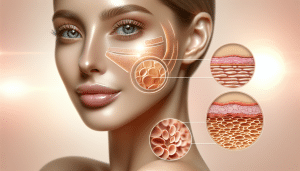
Glowing skin is more than just a beauty goal—it’s an indicator of underlying wellness. When people talk about ‘luminosity,’ they’re discussing hydration, cell renewal, and even the effect of antioxidants. These elements give skin a natural radiance that isn’t reliant on makeup. Most dermatologists agree that internal health is reflected outwardly, meaning habits like hydration can play as much a role in your skin’s appearance as the creams you apply (see NIH).
The building blocks for a youthful, vibrant complexion include adequate sleep, regular exercise, and a balanced diet. Not everyone realizes how much things like sleep quality and daily movement contribute to skin texture and brightness. They modulate stress hormones and inflammation—culprits behind dullness and breakouts. Healthy habits address the root causes that can sabotage your skin’s potential to appear luminous (learn more from CDC).
Beyond lifestyle, environmental exposures like sun and pollution play a significant role. Studies suggest UV damage accelerates aging and can damage collagen, making the skin look tired or uneven. Protection against these elements requires thoughtful adjustments, such as consistent SPF usage and antioxidant-rich skincare. Recognizing these factors sets the stage for sustainable glow.
The Truth About Hydration and Your Skin
Hydration is commonly linked to glowing skin, but how it works is often misunderstood. Drinking water alone doesn’t hydrate the skin surface directly, yet dehydration does contribute to dullness and fine lines. It’s the harmony of internal hydration and external moisturization that creates lasting radiance (see research at NIH).
Moisturizing with products that lock in water helps maintain the skin’s protective barrier. Ingredients like hyaluronic acid and ceramides attract and retain water in the outer layers of skin, smoothing and plumping it. Skincare routines that incorporate these ingredients—especially in drier climates—can make an almost immediate difference in how light reflects off your face.
Humid environments, diet, and daily water intake all impact skin hydration levels. People often forget that foods rich in water, such as cucumbers and watermelon, can offer additional support for maintaining soft, glowing skin. Exploring the relationship between nutrition and skin appearance highlights the multifaceted nature of true radiance.
Key Ingredients for Boosting Radiance
Some skin care ingredients are revered for their impact on radiance. Vitamin C, for instance, is a powerful antioxidant, supporting collagen synthesis and brightening uneven tone. When applied topically, it defends against daily environmental damage while gradually fading sun spots and scars. Retinoids—forms of Vitamin A—can stimulate cell turnover, smoothing texture and revealing newer layers beneath (more in American Academy of Dermatology).
Niacinamide and peptides are also making waves. They support the skin barrier and can reduce signs of irritation or pigmentation. In modern routines, layering lightweight serums with potent actives creates personalized support for different skin types, allowing people to target unique concerns without overwhelming their skin barrier.
Natural oils and botanical extracts—like squalane or green tea—offer a gentle, nourishing touch, particularly for sensitive skin. Their antioxidant properties help combat environmental stressors, while fatty acids reinforce the moisture barrier. These components reflect a holistic approach to glow, supplementing the effects of scientific advancements with nature’s solutions.
Lifestyle Factors Impacting Your Glow
Daily habits shape the way skin looks and feels. Smoking, alcohol, and chronic stress are all known to trigger oxidative stress, depleting the glow-enhancing properties of healthy skin. Moderating these habits supports cellular renewal, and even minor shifts—for example, introducing mindfulness practices—have noticeable effects over time (explore details at Harvard Nutrition Source).
Exercise isn’t just about building muscle or burning calories. Regular movement increases blood flow, distributing nutrients and oxygen more efficiently to the skin. This internal boost helps promote that healthy flush and speeds up recovery from inflammation. People who engage in moderate exercise often report a more even skin tone and quicker healing from blemishes (see NIH).
Sleep may be the most underrated tool for glowing skin. During deep rest, cellular repair and collagen production peak. Prioritizing quality sleep can visibly reduce puffiness and foster long-term youthfulness. A regular bedtime routine and reduction in screen time before bed can dramatically improve skin quality without any product required.
Sun Protection: The Non-Negotiable Step
No glow regimen is complete without sun protection. Ultraviolet (UV) exposure is the leading external factor in premature aging and loss of skin brightness. Prevention is the foundation for lasting radiance, so a consistent SPF application is paramount for every skin type, every day (the American Cancer Society offers in-depth guidance).
Physical blockers—such as zinc oxide and titanium dioxide—reflect UV rays before they penetrate the skin, while chemical sunscreens absorb and neutralize radiation. Both forms are effective, but the choice depends on personal preference and skin sensitivity. Finding the right product makes everyday application easier and turns sun protection into a sustainable habit.
Sun damage not only creates dark spots and rough texture, but it also hinders the skin’s innate ability to heal and renew. Wearing protective clothing, staying in the shade, and applying antioxidants are complementary measures. Protecting your glow from sun exposure means investing in lasting luminosity and warding off premature damage.
Exploring Trending Treatments and Technologies
Innovations are shaping the way people approach radiant skin. Light therapy—using specific wavelengths to boost collagen—has become popular for those searching for smoother, clearer complexions. While research shows promise, it’s important to consult with dermatology professionals when exploring new devices to avoid unintended irritation (see more at FDA).
Minimally invasive procedures like microneedling or chemical peels encourage the skin’s renewal cycle and can target stubborn dullness or uneven tone. Most clinics recommend these be performed by professionals, with careful aftercare to maximize benefits. Combining professional guidance and home routines offers a balanced path to progressively healthier, more luminous skin.
At-home tools, ranging from LED masks to facial rollers, are trending. While many users report improved tone and glow, individual results depend on skin type and consistency. These tools can complement, not replace, foundational steps like cleansing, hydration, and sun protection when building a glow-focused routine.
References
1. Draelos, Z. D. (2013). The science behind skin care: Moisturizers. https://www.ncbi.nlm.nih.gov/pmc/articles/PMC3583892/
2. Centers for Disease Control and Prevention. (n.d.). Healthy Eating for a Healthy Weight. https://www.cdc.gov/healthyweight/healthy_eating/index.html
3. American Academy of Dermatology Association. (n.d.). Retinoids: Overview. https://www.aad.org/public/diseases/a-z/retinoids-overview
4. Harvard T.H. Chan School of Public Health. (n.d.). Hydration. https://www.hsph.harvard.edu/nutritionsource/healthy-drinks/hydration/
5. American Cancer Society. (n.d.). Be Safe in the Sun. https://www.cancer.org/healthy/be-safe-in-sun.html
6. U.S. Food and Drug Administration. (n.d.). Lasers for Medical Use. https://www.fda.gov/radiation-emitting-products/medical-imaging/lasers-medical-use

 Secret Ways You Can Travel More for Less