Ways to Incorporate Eco-Friendly Practices Into Daily Life
Clara Mitchell September 18, 2025
In 2025, adopting eco-friendly practices in daily life is no longer just a trend—it’s becoming essential. With climate change concerns and rising energy costs, people everywhere are searching for ways to incorporate eco-friendly practices into daily life that are realistic, affordable, and impactful.
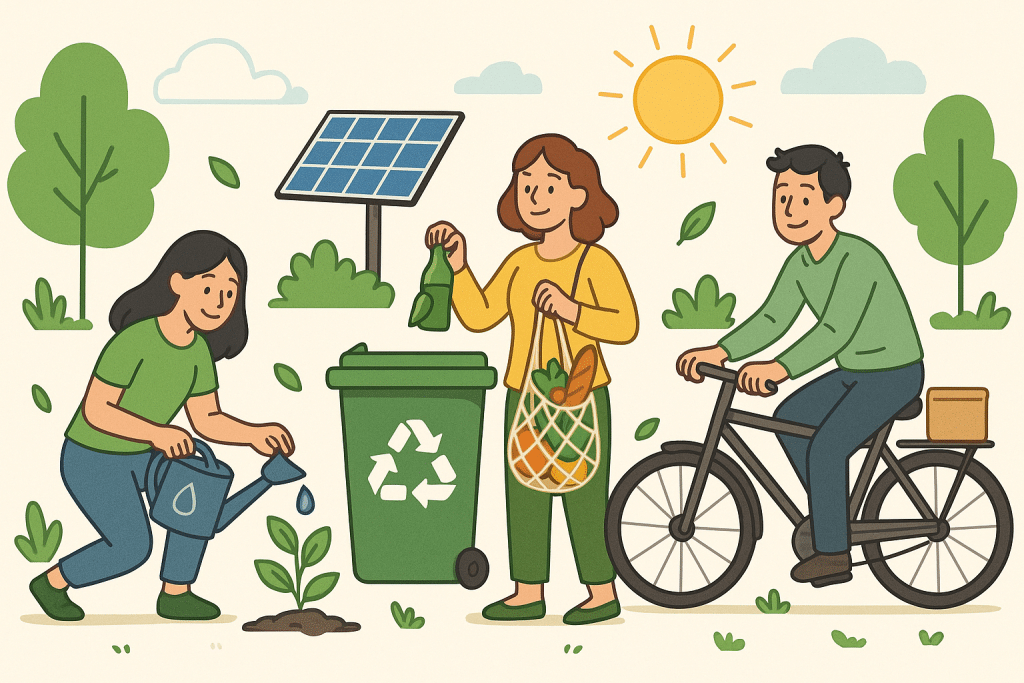
Why Eco-Friendly Living Is More Relevant Than Ever
The urgency around sustainable living has skyrocketed in recent years. According to the UN Environment Programme, global greenhouse gas emissions must fall by nearly half by 2030 to keep warming below 1.5°C (UNEP 2022). This goal may seem daunting, but meaningful progress can start with everyday choices at home, work, and in our communities.
Eco-friendly practices aren’t just good for the planet—they also save money and improve health. From cutting electricity bills with energy-efficient appliances to reducing plastic exposure in food packaging, sustainable living has become a win-win solution (EPA 2023).
1. Green Energy for Daily Use
One of the most effective ways to live sustainably is switching to renewable energy sources. Solar panels, for instance, have dropped in price by over 70% in the last decade, making them more accessible than ever (IEA 2023). For many households, this cost reduction means that generating clean energy at home is no longer a luxury but a realistic financial decision.
Community Solar Programs: Many cities now allow residents to subscribe to shared solar farms, reducing upfront costs. Instead of paying tens of thousands of dollars for private installations, households can join community-based projects and benefit from clean electricity at a fraction of the price. Studies show that shared solar can save participants between 10–20% on their electricity bills compared to traditional utility rates (NREL 2022).
Home Energy Audits: A professional energy audit can reveal where your home is losing heat or wasting electricity. Simple improvements like sealing leaks, upgrading insulation, or replacing outdated windows can reduce energy waste by up to 30%. These small interventions not only lower monthly bills but also increase comfort and property value. In fact, homes with strong energy-efficiency ratings often sell for up to 10% more on the housing market (US Department of Energy 2021).
Smart Plugs and Meters: Phantom energy—the power consumed by electronics when left on standby—accounts for up to 10% of total household electricity use. Smart plugs and meters help detect and eliminate this waste. For example, switching to energy-efficient power strips can save the average U.S. household around 100 dollars per year (EPA 2022). Smart meters also empower homeowners with real-time data, enabling better consumption habits.
Battery Storage and Backup Systems: Another advancement making renewable energy more practical is affordable home battery storage. Systems like Tesla Powerwall or LG Chem allow homeowners to store excess solar power for night use, reducing reliance on the grid and cutting costs further. As battery technology improves, prices are projected to drop by nearly 50% over the next decade (BloombergNEF 2022).
Everyday Green Practices: Beyond solar and storage, smaller steps can also yield big savings. Switching to LED bulbs, upgrading to Energy Star–rated appliances, or installing low-flow showerheads may seem minor, but when combined, these changes significantly reduce household carbon footprints. According to the International Energy Agency, widespread adoption of energy-efficient technologies could cut global electricity demand by one-third by 2040 (IEA 2021).
In short, making the transition to renewable energy isn’t just an eco-friendly choice—it’s also a smart financial investment. Whether it’s community solar, energy audits, or smart home tech, the opportunities to save money while going green are more abundant than ever.
2. Sustainable Food Choices
Food production accounts for about one-third of global greenhouse gas emissions (FAO 2021). Adjusting how we shop and eat can significantly reduce our footprint.
- Plant-Rich Diets: Incorporating more plant-based meals each week reduces emissions and promotes better health.
- Buying Local: Supporting farmers’ markets cuts transportation emissions and strengthens local economies.
- Composting at Home: Instead of sending organic waste to landfills, composting turns scraps into nutrient-rich soil.
3. Eco-Friendly Transportation Habits
Transportation is another major contributor to carbon emissions. Small lifestyle adjustments can collectively make a big difference.
- Micromobility: E-bikes and scooters are booming worldwide, offering low-cost, emission-free commuting options.
- Public Transit Incentives: Cities like Paris and New York are expanding public transport infrastructure and offering discounts to reduce car dependency.
- Carpooling and Ridesharing: Digital platforms now make it easier to share rides, saving money and fuel.
4. Rethinking Consumption: From Fast Fashion to Circular Living
The fashion industry is one of the biggest polluters globally. But trends in circular fashion are reshaping consumer behavior.
- Second-Hand Platforms: Apps like Vinted and Depop make thrifting fashionable and accessible.
- Clothing Rentals: Subscription services let people enjoy variety without the waste.
- Repair Culture: Sewing, upcycling, and shoe repair are gaining popularity as alternatives to discarding items.
5. Reducing Plastic Waste at Home
Plastic waste remains a critical issue, with over 11 million tons of plastic entering the ocean each year (WWF 2022). Daily choices can cut plastic dependency.
- Refill Stations: Many supermarkets now offer refill options for detergents, grains, and spices.
- Reusable Alternatives: Switching to beeswax wraps, glass jars, and stainless-steel bottles dramatically reduces single-use waste.
- Legislation Trends: Countries are banning single-use plastics, making it easier for individuals to avoid them.
6. Digital Sustainability: The Hidden Carbon Footprint
Streaming videos, cloud storage, and emails all contribute to global energy consumption. The IT sector accounts for nearly 4% of global emissions (Shift Project 2019).
- Digital Decluttering: Regularly deleting unused files and emails saves server energy.
- Energy-Efficient Devices: Choosing Energy Star-rated laptops and phones cuts long-term power use.
- Mindful Streaming: Lowering video resolution when not needed reduces data center demand.
7. Eco-Friendly Practices for Self-Care and Health
Interestingly, personal wellness trends are aligning with sustainability. For example:
- Natural Skincare: Eco-friendly brands using biodegradable packaging and organic ingredients are rising in popularity.
- Water Conservation in Hygiene: Shorter showers and water-efficient fixtures significantly reduce household consumption.
- Mental Health and Minimalism: Studies suggest minimalistic living reduces stress, improves mental health, and lowers consumption (Kasser 2017).
8. Community-Level Actions That Multiply Impact
Living sustainably doesn’t have to be a solo journey. Community-based practices amplify change:
- Urban Gardening: Shared gardens boost food security and foster greener neighborhoods.
- Tool Libraries: Instead of buying, communities can borrow tools and appliances, reducing unnecessary production.
- Educational Programs: Schools introducing sustainability curricula inspire children to carry eco-conscious habits into adulthood.
Conclusion: Small Steps Create Big Change
Incorporating eco-friendly practices into daily life is about progress, not perfection. Whether you’re reducing energy waste at home, eating more sustainably, or supporting circular fashion, every choice contributes to a larger global effort.
By adopting these habits in 2025, we’re not only protecting the planet but also saving money, boosting personal well-being, and building stronger communities. Sustainable living is no longer optional—it’s the future.
References
- United States Environmental Protection Agency (2023) Sustainable management of everyday materials. Available at: https://www.epa.gov/smm (Accessed: 18 September 2025).
- National Geographic (2022) How to live more sustainably: Small changes that make a big impact. Available at: https://www.nationalgeographic.com/environment/article/sustainable-living-tips (Accessed: 18 September 2025).
- World Health Organization (2021) Healthy environments for healthier people. Available at: https://www.who.int/publications/i/item/9789240022568 (Accessed: 18 September 2025).

 Strategies for Effective Startup Marketing Campaigns