Discover the Surprising Benefits of Collagen for Radiant Skin
Emily Ward November 16, 2025
Curious about what makes collagen such a sought-after wellness trend? Uncover how collagen supplements, skincare, and nutrition can support healthy skin, boost elasticity, and leave you glowing. This in-depth guide explores how this essential protein interacts with your body, ways to enhance your natural beauty, and what choices align best with your personal routine.
Understanding Collagen’s Essential Role in Skin Health
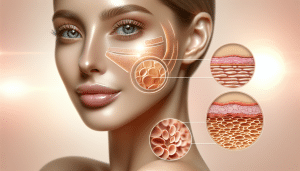
Collagen is often described as the body’s natural scaffolding—an integral protein that provides structure, strength, and firmness to the skin. People may notice that as collagen production decreases with age, fine lines and lack of elasticity begin to appear. Abundant in youth, collagen helps skin look smooth, plump, and resilient. Its presence supports that bouncy, hydrated feeling associated with radiant, supple skin.
The beauty industry spotlights collagen because its influence extends beyond just the epidermis. Collagen fibers in the dermis create a supportive network for skin cells and enable better repair and resilience following environmental stressors. Maintaining robust levels of collagen can help skin showcase its natural glow and reduce the appearance of dullness that sometimes comes with age or exposure.
Research suggests that supporting collagen through both internal and external strategies can positively influence how your skin looks and feels. A balanced diet, proper hydration, and gentle skincare all play a part in nurturing this foundational protein. The journey to vibrant skin doesn’t rely solely on genetics—routine decisions make a difference in how collagen continues to support long-term beauty and well-being.
How Collagen Supplements Are Changing Skincare Routines
Many curious individuals are exploring collagen supplements as an addition to their beauty regimen. These products—often available as powders, capsules, or drinks—contain hydrolyzed collagen, which is broken down for easier absorption. The goal is to provide the body with building blocks to stimulate natural collagen synthesis, encouraging firmer skin and a smoother complexion for some users.
While studies are ongoing, several have hinted at the potential for oral collagen to help minimize wrinkles, improve hydration, and enhance overall skin texture. The appeal lies in addressing beauty from within—supporting the skin’s health at a cellular level. Of course, results can vary, and not all supplements offer the same quality, so careful label reading and medical consultation is often recommended before incorporating new products.
Market trends reveal a growing preference for collagen supplements made from grass-fed bovine sources or sustainable marine origins. These details are important for those mindful about ingredient sourcing. Some manufacturers combine collagen with vitamin C, hyaluronic acid, or antioxidants to target multiple facets of skin support and provide a more comprehensive daily boost.
Natural Ways to Boost Collagen and Achieve a Healthy Glow
Supplements aren’t the only answer when it comes to preserving and revitalizing collagen. A nourishing diet—rich in protein, colorful fruits, vegetables, and minerals—offers the amino acids and nutrients the body needs for collagen production. Citrus fruits, leafy greens, and nuts provide vitamin C and other compounds that protect collagen fibers from damage.
Adopting gentle skincare routines is another avenue for supporting collagen preservation. This includes daily sunscreen use, limiting harsh exfoliants, and opting for antioxidant-rich topical products. Some enjoy the added effects of incorporating niacinamide, peptides, or retinol, as these ingredients have shown promise in stimulating collagen production and skin renewal in clinical studies.
Lifestyle shifts, such as prioritizing restful sleep and reducing excess sugar intake, may further assist the body’s repair mechanisms. Smoking and overexposure to UV rays accelerate collagen breakdown, so being mindful of these risk factors can help maintain youthful skin for longer. Wellness is holistic—nutrition, skincare, and everyday habits are all interconnected pieces of the radiant skin puzzle.
Collagen in Topical Skincare: Myths and Realities
Many skincare products boast collagen as a hero ingredient, but there’s curiosity about how effective these topical solutions really are. Collagen molecules in creams and serums are often too large to penetrate beneath the surface layer of the skin. Instead, these products primarily provide hydration and create a plumping effect that can temporarily smooth fine lines on the outermost layer.
The real magic in topical collagen skincare tends to come from supporting ingredients—such as humectants, antioxidants, and peptides—that fortify the skin barrier and encourage natural collagen activity. Consumers benefit from understanding the difference between superficial improvements and genuine long-term change, which typically comes from internally stimulating the body’s own collagen production.
Skincare experts often recommend pairing topical and internal strategies for visible results. For example, using sunscreen every day not only prevents UVA-induced collagen breakdown but also complements other collagen-supporting practices within a holistic beauty approach. Choosing wisely and staying informed can help build a personalized self-care ritual grounded in both science and self-kindness.
Emerging Research and Clinical Insights Into Collagen’s Benefits
Researchers continue to investigate how collagen supplementation and lifestyle interventions can benefit individuals seeking youthful, vibrant skin. Preliminary findings indicate that consistent use of hydrolyzed collagen may support skin elasticity, reduce the depth of wrinkles, and even aid in hydration among adults. These outcomes, while promising, are still being evaluated for long-term effects and optimal dosages (Source: https://www.ncbi.nlm.nih.gov/pmc/articles/PMC6835901/).
Clinical trials exploring the link between collagen supplementation and overall wellness also touch on joint and bone health. This crossover interest speaks to collagen’s comprehensive role in the body’s connective tissues. Guidance from dermatologists and nutritionists helps individuals understand realistic expectations and make informed decisions regarding beauty trends (Source: https://www.aad.org/public/everyday-care/nutrition/skin-foods/collagen).
Ongoing research aims to unravel the details of collagen’s mechanisms and effectiveness, especially across diverse populations, age groups, and skin types. Reading published studies and advice from reputable medical sources allows users to tailor their approach, experiment safely, and stay on top of wellness innovations grounded in proven science.
Tips for Choosing Collagen Products That Align With Your Goals
Navigating shelves filled with collagen creams, powders, and functional beverages can feel overwhelming. It may help to first define personal goals—whether support is sought for skin hydration, fine lines, or general wellness. Ingredient transparency, third-party testing, and honest labeling are important factors for many users making an informed choice.
Matching product type to lifestyle matters, too. Those who favor simplicity may choose ready-to-mix powders or capsules, while others might prefer incorporating collagen into smoothies or daily coffee. Individual taste and dietary needs—such as marine versus bovine sources, or unflavored versus fruit blends—give flexibility in finding a product that fits seamlessly into established routines.
Before beginning any supplement, it’s wise to consult with a healthcare professional—especially for those with allergies, chronic conditions, or specific dietary restrictions. Exploring user reviews and looking for scientific backing of claims can further guide your journey. With the ever-growing world of wellness products, a little research can go a long way.
References
1. Choi, F.D., et al. (2019). The Role of Collagen in Skin Health. https://www.ncbi.nlm.nih.gov/pmc/articles/PMC6835901/
2. American Academy of Dermatology Association. (n.d.). Collagen: What it is and why it matters for your skin. https://www.aad.org/public/everyday-care/nutrition/skin-foods/collagen
3. Harvard T.H. Chan School of Public Health. (n.d.). Collagen. https://www.hsph.harvard.edu/nutritionsource/collagen/
4. National Institutes of Health. (n.d.). Dietary Supplement Fact Sheet: Collagen. https://ods.od.nih.gov/factsheets/Collagen-Consumer/
5. Cleveland Clinic. (n.d.). Should You Take Collagen Supplements? https://health.clevelandclinic.org/should-you-be-taking-collagen-supplements/
6. Mayo Clinic. (n.d.). Collagen supplements: Benefits and risks. https://www.mayoclinic.org/healthy-lifestyle/nutrition-and-healthy-eating/expert-answers/collagen/faq-20525489

 You Won’t Believe the Impact Native Plants Have on Your Garden