Discover How You Can Transform Your Skin Naturally
Emily Ward September 29, 2025
Unlock the secrets behind naturally radiant skin with practical wellness and beauty strategies. This guide explores holistic approaches, lifestyle changes, and science-backed tips, weaving together high-demand topics like collagen health, hydration, and stress management for a vibrant, glowing complexion.
Understanding the Foundation of Skin Health
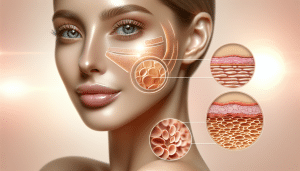
Many people search for new ways to achieve vibrant, healthy skin overnight, but true transformation begins at the foundational level. The skin, as the body’s largest organ, requires a blend of nutrients, hydration, and protection to maintain its beauty. Research consistently highlights the importance of understanding how the epidermis and dermis function together to protect against environmental stressors and repair daily wear. Learning about these basic skin layers can help in making smarter choices about routines, products, and even dietary habits that ultimately support wellness from the inside out. Knowledge of skin structure also provides a framework for choosing ingredients that match personal needs, promoting collagen synthesis and strengthening the skin’s barrier in a natural way.
Collagen is a popular topic in the beauty community for very good reasons. It plays a vital role in promoting elasticity and firmness. As we age, the skin’s collagen production naturally decreases, which can lead to visible changes such as fine lines or sagging. Fortunately, studies show that a combination of hydration, balanced nutrition, and certain topical applications is key to supporting this structural protein. Choosing foods and wellness routines rich in vitamin C and amino acids can help the body synthesize collagen more efficiently. This science-based approach offers ongoing support without the need for invasive procedures.
Hydration is at the heart of every successful skin routine. It’s not just about lotions—it begins internally. Water supports the skin’s ability to transport nutrients, regulate temperature, and flush out toxins, while also preventing dryness and dullness. Skin health experts advocate for establishing consistent hydration habits, such as drinking water throughout the day or choosing moisturizing products with naturally hydrating ingredients. Adopting these practices contributes to a glowing complexion, improved skin texture, and a refreshed appearance that many find both noticeable and rewarding over time. Discover more about how hydration complements other wellness practices when aiming for natural beauty.
Daily Habits That Enhance Skin Wellness
Daily habits often determine the pathway toward lasting beauty results. Mindful skin care routines that involve gentle cleansing, the use of mineral-rich masks, and periodic exfoliation help the skin stay balanced. Experts recommend avoiding harsh chemicals that strip natural oils. Instead, opting for plant-based products rich in antioxidants can offer protection against free radical damage that triggers premature aging. Simple shifts—like using a silk pillowcase or maintaining consistent sleep patterns—have been linked with improvements in complexion according to recent beauty and wellness studies (https://www.ncbi.nlm.nih.gov/pmc/articles/PMC5796020/).
Sun safety cannot be underestimated, regardless of the season. Dermatologists encourage the daily application of broad-spectrum sunscreen to guard against ultraviolet (UV) rays that penetrate clouds and windows. These rays have been shown to accelerate skin aging, break down collagen, and increase the risk of developing hyperpigmentation. Integrating sunscreen into the morning routine is one of the simplest yet powerful actions you can take. For those seeking a natural touch, mineral formulas with zinc oxide or titanium dioxide are worth exploring for their gentle effectiveness.
Stress management plays a surprising role in skincare. Chronic stress can disrupt the body’s hormone balance, leading to blemishes, sensitivity, or flare-ups of skin conditions like eczema. Mindfulness activities—including yoga, breathwork, or even simple moments of gratitude—encourage relaxation and can improve skin clarity over time. According to wellness specialists, adopting these daily habits may not yield instant results but can gradually create a healthier, more resilient foundation for lasting beauty.
Nutrition’s Impact on Skin Glow and Resilience
The link between nutrition and skin radiance is well-established. Foods rich in antioxidants, such as berries, leafy greens, and nuts, protect the skin from oxidative damage. These nutrients have been shown to support collagen formation and help maintain skin’s elasticity. Additionally, omega-3 fatty acids found in walnuts and flaxseed contribute to the skin barrier’s strength and help reduce inflammation, which is often at the root of redness and irritation. Emphasizing a colorful, whole-food-based diet offers both internal health and noticeable beauty benefits (https://www.hsph.harvard.edu/nutritionsource/antioxidants/).
Hydration from within further relies on the water content of fruits and vegetables. Melons, cucumbers, and citrus fruits provide vitamins and plenty of hydration, supporting supple skin and a fresh appearance. Experts recommend daily servings of these moisture-rich foods alongside drinking sufficient water. This multifaceted approach ensures both hydration and nutrient delivery for optimal skin functioning and glow. Such dietary patterns are supported by research linking higher fruit and vegetable intake with increased attractiveness and healthy skin color.
Supplements are sometimes considered by individuals seeking extra support for problems like brittle nails or slow skin healing. While a well-rounded diet remains the preferred route, targeted nutrients such as biotin, vitamin E, and collagen peptides may have positive effects when consumed under guidance. It’s important to choose reputable sources and consult with healthcare professionals or registered dietitians to ensure safe and beneficial use. Nutrition for beauty is as much about consistency and balance as it is about a specific ingredient or pill.
Embracing Clean Beauty and Ingredient Transparency
Clean beauty is a movement that emphasizes safety, transparency, and minimalism in personal care. Products made with plant-based actives, essential oils, and sustainable packaging are increasingly popular among conscious consumers. Avoiding ingredients linked to skin sensitivity or hormone disruption—such as parabens, sulfates, or synthetic fragrances—can be an important step. This trend, supported by dermatologists and advocacy groups, promotes informed decision-making when building personal routines (https://www.aad.org/public/everyday-care/skin-care-basics/care/clean-beauty).
Labels are worth examining for both claims and ingredient lists. The term “fragrance” can disguise dozens of synthetic compounds, some of which are known irritants. Brands prioritizing complete transparency often list every component, empowering users to avoid allergens or unwanted substances. While clean beauty does not have a strict legal definition, the growing demand encourages brands to be more accountable. Consumers benefit from researching ingredients using nonprofit databases or dermatologist resources to make educated choices.
Embracing minimalism—using fewer, purposeful products—can actually enhance skin wellness. Overloading on lotions, scrubs, and serums can disrupt the skin’s barrier or cause sensitivities. A simple routine focused on gentle cleansing, hydration, and consistent protection promotes both sustainability and healthier results. This approach not only offers peace of mind but can reduce clutter and expense, making natural beauty more accessible to everyone interested in a clean lifestyle.
Lifestyle Factors that Influence Long-Term Beauty
Lifestyle choices like sleep, movement, and relaxation have undeniable effects on how the skin looks and feels. During restful sleep, the body enters a repair mode, producing new collagen and healing micro-damage. Sleep deprivation, on the other hand, is strongly linked to dullness, eye puffiness, and under-eye shadows. Experts suggest establishing a regular sleep schedule and creating a calming bedtime ritual for better overall wellness and enhanced skin renewal (https://www.sleepfoundation.org/physical-health/how-sleep-affects-your-skin).
Exercise increases blood circulation, delivering vitamins, minerals, and oxygen to skin cells. Physical activity also helps flush out waste and toxins while generating positive endorphins, which can counteract inflammation. Activities like brisk walking, yoga, and even simple stretching routines are accessible options for almost everyone. Integrating movement into your day, even in small doses, delivers both immediate radiance and long-term resilience for all skin types.
Avoiding smoking and moderating alcohol intake are two critical factors in the journey to lasting beauty. Nicotine restricts blood flow, reducing nutrient delivery and accelerating the development of wrinkles. Alcohol can dehydrate the skin and trigger inflammation. Recognizing these impacts, many people have found new motivation in pursuing healthier pastimes and swapping old habits for ones that nurture a youthful appearance, strong skin, and ongoing self-confidence.
Empowering Yourself Through Knowledge and Community
Wellness is rarely a solitary path. Engaging with credible information sources, online communities, or local wellness workshops offers ongoing support and inspiration. Reviews, forums, and expert Q&A sessions from reputable organizations help individuals navigate ingredient questions, routine adjustments, or unique skin stories. Shared experiences, whether through virtual groups or in-person events, foster accountability and positivity while helping to avoid misinformation creeping into daily routines (https://www.womenshealth.gov/a-z-topics/skin-care).
Continued education keeps pace with advances in the beauty industry. From UV awareness campaigns to updated ingredient safety assessments, staying informed empowers smarter choices. Nonprofit health organizations and dermatology institutes regularly provide updates about sun protection, skin cancer prevention, and product innovations. Rather than rushing to try each trend, knowing how to research and cross-check claims allows for a steady path to the healthiest, most vibrant skin possible.
Finding what works well for each individual can involve some trial and error, but respecting your skin’s unique needs is part of the beauty journey. Listening to expert advice, maintaining curiosity, and maintaining realistic expectations will provide the foundation for authentic improvements. With science, support, and self-awareness, everyone can move closer to their personal wellness and beauty goals.
References
1. U.S. National Library of Medicine. (n.d.). Skin Structure and Function. Retrieved from https://medlineplus.gov/ency/article/002264.htm
2. Harvard T.H. Chan School of Public Health. (n.d.). Antioxidants: Beyond the Hype. Retrieved from https://www.hsph.harvard.edu/nutritionsource/antioxidants/
3. American Academy of Dermatology Association. (n.d.). Clean Beauty: What It Means and What to Look For. Retrieved from https://www.aad.org/public/everyday-care/skin-care-basics/care/clean-beauty
4. Sleep Foundation. (n.d.). How Sleep Affects Your Skin. Retrieved from https://www.sleepfoundation.org/physical-health/how-sleep-affects-your-skin
5. National Institutes of Health. (n.d.). Nutrition and Skin Health. Retrieved from https://ods.od.nih.gov/factsheets/SkinHealth-HealthProfessional/
6. Office on Women’s Health, U.S. Department of Health & Human Services. (n.d.). Skin Care. Retrieved from https://www.womenshealth.gov/a-z-topics/skin-care

 Why Digital Literacy Skills Shape Your Future