You Won’t Believe What Regular Facial Massage Does
Emily Ward September 28, 2025
Discover the surprising effects of facial massage for wellness and beauty, including what happens beneath the surface. This guide explores the methods, routines, science, and results of incorporating facial massage into a skincare lifestyle to promote healthy skin and a radiant glow.
Why Facial Massage Is Gaining Attention in Skincare
The rising popularity of facial massage can be traced to its visible and often immediate effects on the complexion. Many enthusiasts report their skin feeling smoother and looking revitalized after a proper facial massage session. This growing trend reflects a broader desire for holistic beauty routines that focus on internal wellness as much as external appearance. Advocates appreciate techniques such as lymphatic drainage massage, which is believed to reduce fluid retention and puffiness for a fresher look. With more people embracing proactive skin wellness, facial massage has shifted from a luxury spa treatment to an accessible everyday ritual at home or in clinics.
One major appeal lies in how facial massage connects relaxation with positive changes in skin health. The techniques often rely on gentle, systematic movements that stimulate blood flow and encourage lymphatic drainage, which can help the skin appear less dull. There’s a comforting ritual aspect as well: daily facial massage routines often become moments of mindfulness, letting individuals slow down and feel more present in their body-care practices. Such rituals can relieve tension in facial muscles, especially in areas like the jaw and forehead, which may tense up repeatedly due to stress. Even a short massage—just five minutes—can deliver noticeable short-term results, motivating regular practice.
Current research and expert opinions highlight additional wellness benefits. By promoting circulation, facial massage could help increase the delivery of nutrients to skin cells, potentially supporting skin repair and barrier function. Those concerned about puffiness often explore gua sha or jade roller tools, which have gained mainstream attention through social media and skincare forums. However, all effective routines have something in common: consistency. Users who practice facial massage regularly are more likely to share stories of improved tone, softness, and an enhanced sense of overall well-being. These benefits reflect why facial massage is more than a passing beauty trend—it’s a wellness habit that’s truly catching on.
Exploring the Science of Facial Massage
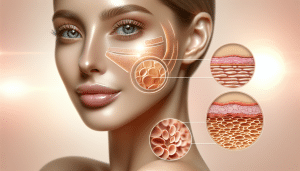
Science plays a key role in understanding how facial massage influences skin and wellness. A primary mechanism involves boosting circulation; when hands or tools glide over the skin, superficial blood vessels expand, temporarily supplying more oxygen and nutrients to the tissue. This influx may brighten appearance by plumping and nourishing skin cells. Studies suggest that facial massage can influence underlying processes—such as encouraging lymphatic movement—to help remove metabolic waste that accumulates in facial tissues, giving skin a less congested look (Source: https://www.ncbi.nlm.nih.gov/pmc/articles/PMC6073405/).
The benefits aren’t strictly cosmetic. Research points to decreased muscle tension and reduced feelings of stress following regular facial massage. Much like body massage helps to loosen tired muscles, targeted movements over cheekbones, eyebrows, and the jaw can relieve tightness resulting from habitual facial expressions or teeth grinding. Relaxing these muscles isn’t just about comfort—the process may help smooth the look of lines formed from repeated muscle contractions. Additionally, this relaxation response is linked with a drop in stress-related hormones, providing a more holistic sense of wellness (Source: https://www.health.harvard.edu/blog/facial-yoga-for-naturally-youthful-skin-2018051613832).
Another crucial factor involves the stimulation of fibroblasts, cells responsible for producing collagen and elastin. These proteins give skin its youthful bounce and firmness. Some studies propose that gentle, regular stimulation may support these cells in maintaining optimal function, contributing to a more radiant look over time. However, experts note that results are gradual and best supported when combined with other healthy habits like proper hydration, sunscreen use, and a balanced skincare routine. The science doesn’t promise miracles, but it points to facial massage as a supportive practice for both mind and skin.
Simple Facial Massage Techniques You Can Use
Starting a facial massage routine at home requires very few tools and a little know-how. The most important factor is the technique. Begin with clean hands and a gentle cleanser to prepare your skin. Using fingertips or a facial roller, massage in upward, outward strokes—always moving from the center of the face toward the hairline or down the jaw toward the collarbone. Many prefer to use a nourishing oil or serum to ensure smooth movement and prevent tugging, which can be counterproductive for delicate skin (Source: https://www.aad.org/public/everyday-care/skin-care-basics/care/facial-massage).
Common facial massage sequences include light, circular motions over the forehead, gentle pinching along the eyebrows, and zig-zag movements on the cheeks. These deliberate touches encourage lymph flow, which supports the body’s natural detoxification processes. Focus on areas that feel tense—like the jaw or temples—and use slow, rhythmic pressure. If using tools such as gua sha stones, consciously follow the bone structure to avoid placing pressure on sensitive tissue. Investing just a few minutes per day can help achieve a sense of routine calm and gradual improvement in skin tone and radiance.
Those wishing to personalize their massage may combine different methods. For instance, alternating hot and cold compresses before and after a massage can further stimulate circulation. Facial yoga, which incorporates stretching and holding facial expressions, offers another layer to potential benefits. However, remember that results can vary—everyone’s skin and stress levels are unique. By tailoring a routine to individual needs, users can discover the facial massage approach that feels right for their skin wellness goals. Consistency and gentleness are always key.
What Real People Notice From Facial Massage
Personal experiences give a real-world perspective on what facial massage can deliver. Many users report that regular treatments help decrease morning puffiness and impart a subtle, rested glow. Particularly for those with sedentary routines or high screen time, relief from muscle stiffness around the eyes and jaw is a notable benefit. This matches findings in wellness communities that highlight improved alertness and an uplifted sense of confidence after daily facial massage (Source: https://www.psychologytoday.com/us/blog/evidence-based-living/202008/the-ins-and-outs-facial-massage).
Some individuals with sensitive skin notice reduced redness or irritation when using particularly gentle touch and hydrating oils. Professional estheticians suggest that routine facial massage can enhance the effectiveness of other skincare products by improving absorption. There’s also a psychological element: incorporating a slow, mindful massage at the end of the day signals a break from daily stressors, which supports emotional balance. Those who journal their skin journey often observe improved mood and describe the massage ritual as a self-care anchor in their daily schedule.
It’s important to recognize the variety in experiences. While some see noticeable improvements in texture and tone within a few weeks, others appreciate subtler emotional benefits. Regardless of the specific outcome, most practitioners agree that it’s the consistent act of caring for one’s skin—and savoring a few quiet moments—that offers lasting value. Investing time in self-care helps forge a positive connection with personal appearance and wellness routines, making facial massage a win on multiple levels.
Combining Facial Massage With Other Wellness Habits
Facial massage enjoys even greater results when paired with overall health-focused habits. Staying hydrated, eating a nutrient-rich diet, and getting enough quality sleep all influence skin health. Massage acts as a catalyst, but these lifestyle choices provide vital building blocks for collagen, natural moisture, and resistance to environmental stress. Many people choose to use facial massage as a mindful bridge between their daytime and nighttime skincare routines, reinforcing these good wellness habits (Source: https://www.niams.nih.gov/health-topics/skin-care).
Some also integrate facial massage with relaxation exercises, such as deep breathing, gentle yoga, or meditation. The soothing effect of massage can help slow the heart rate and prepare the mind for restful sleep, which in turn encourages nightly skin repair. When stress levels are lower, hormonal balance improves, and the skin tends to show fewer signs of inflammation or irritation. Combining these practices makes beauty routines not just about external results, but integral to an overall sense of wellness and calm.
Working alongside a professional—such as an esthetician or dermatologist—can help personalize routines and address specific skin needs, like acne-prone or aging skin. Online tutorials provide accessible guidance for beginners, and many platforms offer advice tailored to diverse skin types and concerns. By experimenting with routines and listening to the skin’s response, users can fine-tune their self-care approach to maximize both wellness and beauty benefits.
Potential Considerations and How to Start Safely
While facial massage is generally safe, certain precautions are worth noting. Individuals with severe acne, rosacea, or highly sensitive skin should be especially gentle and consider consulting a dermatologist before trying new techniques. Avoid massaging over active breakouts or sunburned skin, as this can worsen irritation. Always use clean hands and sanitized tools to prevent introducing bacteria to the skin (Source: https://www.aad.org/public/diseases/acne/skin-care/patient-guides).
Starting with brief, light massages helps the skin adapt and minimizes the risk of overstimulation. Paying close attention to the skin’s feedback—like increased redness or tenderness—provides valuable clues to adjust technique or frequency. Tools such as jade rollers or gua sha stones should never feel too sharp or aggressive. Regular cleaning of these tools is a key step to maintaining safe skincare routines.
For those just beginning, following step-by-step guides from reputable health organizations and professional estheticians adds confidence and knowledge. By educating themselves on proper routines and respecting individual skin needs, new adopters can enjoy the many benefits of facial massage for wellness and beauty without worry. With a thoughtful approach and realistic expectations, facial massage can become a reliable part of self-care and healthy living.
References
1. Choi, S. Y., & Chang, Y. H. (2018). Effects of facial massage on facial skin blood flow and skin characteristics. Retrieved from https://www.ncbi.nlm.nih.gov/pmc/articles/PMC6073405/
2. Harvard Health Publishing. (2018). Facial yoga for naturally youthful skin. Retrieved from https://www.health.harvard.edu/blog/facial-yoga-for-naturally-youthful-skin-2018051613832
3. American Academy of Dermatology Association. (n.d.). Facial massage. Retrieved from https://www.aad.org/public/everyday-care/skin-care-basics/care/facial-massage
4. Winch, J. (2020). The ins and outs of facial massage. Psychology Today. Retrieved from https://www.psychologytoday.com/us/blog/evidence-based-living/202008/the-ins-and-outs-facial-massage
5. National Institute of Arthritis and Musculoskeletal and Skin Diseases. (n.d.). Skin Care. Retrieved from https://www.niams.nih.gov/health-topics/skin-care
6. American Academy of Dermatology Association. (n.d.). Acne: Skin care. Retrieved from https://www.aad.org/public/diseases/acne/skin-care/patient-guides

 You Could Transform Your Finances With Passive Income