Small Space Living Tips That Transform Your Home
Clara Mitchell September 28, 2025
Explore how small space living can spark creativity and organization. Learn smart lifestyle and entertainment strategies to make every inch of your home work for you—without sacrificing comfort or style. Discover clever storage, design inspiration, and flexible furniture ideas suited for modern spaces.
Smart Furniture Solutions for Limited Spaces
Small space living inspires innovative furniture choices. Multi-functional furniture can make a dramatic difference, letting one piece perform several roles. Think of a sofa that converts into a bed or an ottoman that opens up for storage—these pieces help reclaim valuable floor area. Many popular designs also feature built-in charging stations or hidden shelves, perfect for modern tech-driven homes. Choosing furniture that combines form and function is one of the best ways to maximize a small living area efficiently. This approach is favored by interior design professionals and space-conscious renters seeking comfort, style, and flexibility.
For dining and work areas, collapsible tables and foldable chairs are favored in urban apartments. They can be tucked away when not in use, freeing up space for relaxing or entertaining. Wall-mounted desks have surged in demand as they provide a dedicated workspace without taking up precious floor space. Mounting bookshelves vertically or installing floating cabinets can also help maintain clear pathways and open up cramped rooms. Effective use of wall space is a recurring theme in small home innovation.
Hidden storage is another essential. Beds with drawers, coffee tables with lift-tops, and benches with concealed compartments keep everyday clutter out of sight but within reach. Online home retailers and local stores now offer an increasing range of adaptable furniture, underscoring the popularity of small space living solutions. These choices support not only tidiness but also contribute to a soothing, welcoming environment. The right pieces create a seamless blend of form, function, and flexibility, making every meal, movie night, or gathering more enjoyable.
Stylish Storage Ideas to Reduce Clutter
In a small home, creative storage is essential. Vertical storage is a leading trend—tall shelving units, pegboards, and wall organizers keep floors clear. For kitchens, magnetic spice racks and hanging pot holders free up counters, making meal prep easier. Bathroom shelves above the toilet maximize unused wall area, while under-sink organizers help manage toiletries and cleaning supplies. This streamlined approach turns necessity into opportunity, inspiring people to rethink old habits and find beauty in efficiency.
Clear containers and labeled bins can make closets and cabinets easy to navigate. Transparent boxes allow users to quickly find what they need without endless searching. Rolling storage carts can be tucked into corners or under desks, ready to wheel out when needed. This mobile organization system proves particularly helpful for multipurpose rooms, where functions change throughout the day—from working and studying to relaxing and entertaining. Adopting such storage solutions can significantly improve daily routines and free up valuable headspace.
Utilizing doors for storage saves space, too. Over-the-door hooks hold bags, shoes, or jackets in entryways. Pocket organizers are popular in bedrooms, where they keep accessories and gadgets corralled. With home delivery services growing, innovative storage products are easier to access than ever. These strategies not only keep living spaces tidy but also support a serene, inviting atmosphere, which is vital for mental wellness and everyday contentment. Smart storage is a cornerstone of successful small space living.
Color and Light: Making Small Spaces Feel Large
Color can dramatically change the feeling of a room. Light, neutral tones—such as white, beige, or pale gray—reflect more light and make compact spaces appear larger and brighter. Interior designers often recommend layering lighter colors on walls, floors, and furnishings to open up the environment visually. Adding pops of color with pillows, throws, or wall art personalizes a room without making it feel closed in. Delicate patterns and subtle prints can give interest without visually overwhelming a space.
Lighting plays an equally vital role. Natural sunlight is prized, so keeping window treatments sheer or using mirrors to bounce daylight around can lift the mood immediately. For rooms without abundant natural light, a mix of overhead fixtures, floor lamps, and accent lights creates a warm, layered effect. Under-cabinet lighting is also favored for kitchens and bathrooms, providing work light without cluttering counters. LED strip lights tucked along shelves can add ambiance and make a room feel dynamic at night.
Mirrors are a classic solution for optical space expansion. Placing a large mirror opposite a window doubles the sense of brightness, while mirrored furniture provides subtle sparkle without feeling flashy. Some residents choose mirrored wall panels or closet doors for a dramatic, contemporary look. By managing color and lighting thoughtfully, small space living becomes both functional and aesthetically pleasing, supporting a calm retreat from busy city life—one that’s as visually spacious as it is practical.
Flexible Living: Open-Plan and Divider Techniques
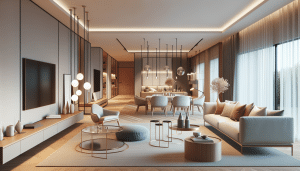
Modern small homes often embrace open-plan layouts. These eliminate unneeded walls and doors, letting light travel freely and making entertaining simpler. However, privacy or zoning is occasionally needed for sleeping, working, or relaxing. Moveable room dividers, folding screens, or even tall bookshelves can gently separate areas. This prevents clutter from spreading and gives a sense of purpose to each space. Some city apartments use sliding panels or curtains for quick, flexible room transitions.
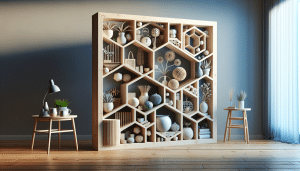
Modular furniture further supports flexible living. Sectional sofas that rearrange or cube seats that double as tables make reconfiguring for guests or projects effortless. Open shelving also works as both display and divider, offering a backdrop for plants, artwork, and household essentials. For renters, non-permanent dividers are preferred—they allow for easy redecoration and personalization without the need for renovations.
Green design elements, such as portable indoor garden units or wall-mounted planters, blend beauty with purposeful separation. Living walls or vertical herb gardens not only breathe life into interiors but help delineate spaces for reading, dining, or meditation. Flexibility is an ongoing trend in modern living—one that empowers creative expression and personal comfort regardless of square footage. Adopting zoning techniques can completely transform how a compact home feels and functions.
Entertaining in Small Spaces: Creative Social Solutions
Hosting is possible on any scale. For small homes, flexible entertainment options are practical. Stackable stools or poufs can be stored away and brought out for gatherings, providing extra seating in an instant. Extendable dining tables or trays enable serving snacks or meals even in tight quarters. Choosing lightweight, easily-movable furniture allows hosts to create the right atmosphere for movie nights, dinner parties, or casual catch-ups.
Tech upgrades bring big experiences to small rooms. Compact soundbars, wireless speakers, and projectors turn a bedroom into a home cinema. Minimalist décor, decluttered surfaces, and artful lighting foster an inviting setting without feeling busy. Wall-mounted shelving for media and games keeps entertainment essentials organized and ready for guests.
Lively ambiance is essential for memorable gatherings, no matter the space. Scented candles, string lights, and themed décor reflect the personality of residents and add warmth. Embracing a cozy, welcoming style often creates a stronger sense of connection than a sprawling venue. Small-space entertaining is less about scale and more about meaningful moments—supported by comfort-driven design and a thoughtful approach to organization.
Maximizing Outdoor and Balcony Living
Even the smallest balcony, patio, or rooftop can extend usable living space. Folding chairs, bistro sets, and bar-height tables offer stylish seating without crowding. Weatherproof storage benches keep garden tools or outdoor accessories tidy. Shade sails or retractable awnings provide comfort and privacy, helping outdoor spaces become a relaxing retreat for meals, reading, or gentle exercise. These additions make urban living more enjoyable and support year-round use of available square footage.
Urban gardening is thriving in small spaces. Container gardens, hanging planters, and vertical growing systems let residents grow herbs, vegetables, or decorative flowers with ease. Self-watering pots and compact compost bins suit sustainability-conscious households. These green additions not only brighten the environment but also offer a hands-on, rewarding hobby adaptable for all experience levels.
Outdoor lighting gives tiny balconies inviting appeal after dark. Solar-powered string lights, step lamps, and lanterns highlight the landscape and provide gentle illumination for evening entertainment. Portable Bluetooth speakers and cozy blankets transform exterior nooks into ideal spots for unwinding. Prioritizing outdoor living, whatever the size, maximizes a home’s value, encourages well-being, and emphasizes the versatility of small space living in city settings.
References
1. American Society of Interior Designers. (n.d.). The benefits of small-space design. Retrieved from https://www.asid.org/resources/glossary-benefits-of-small-space-design
2. National Association of Home Builders. (n.d.). Maximizing small spaces. Retrieved from https://www.nahb.org/other/consumer-resources/maximizing-small-spaces
3. Harvard University Graduate School of Design. (n.d.). Smart homes and sustainable design. Retrieved from https://www.gsd.harvard.edu/smart-homes-and-sustainable-design
4. University of Arkansas Division of Agriculture. (n.d.). Urban gardening in small spaces. Retrieved from https://www.uaex.uada.edu/lawn-garden/urban-horticulture/urban-gardening
5. Environmental Protection Agency. (n.d.). Space optimization tips. Retrieved from https://www.epa.gov/smartgrowth/smart-growth-and-small-space-living
6. National Institute of Building Sciences. (n.d.). Space-saving tips for home. Retrieved from https://www.nibs.org/news/inspire-space-saving-homes

 Digital Detox Ideas You Might Be Overlooking