Secrets to Designing Spaces That Reflect Your Style
Clara Mitchell September 27, 2025
Unlock simple, high-impact strategies for creating living areas that truly reflect personal style, creativity, and lifestyle. This guide dives deep into interior design trends, functional decorating tips, and clever ways anyone can transform their space—no design degree needed.
How to Make Any Home Feel Uniquely Personal
Designing a living space that mirrors individual personality can be more fulfilling than simply following trends. Every detail, from furniture selection to the way accessories are displayed, can speak volumes about preferences and priorities. One effective approach is to combine favorite colors and meaningful items—think travel memorabilia or art collected over time. This not only adds visual interest but tells a personal story that guests and residents alike will appreciate. Those drawn to minimalist living can swap bold prints for subtle textures, while lovers of maximalism might embrace layered textiles, vibrant walls, and curated collections.
For some, decorating might feel overwhelming due to the sheer number of available choices. However, breaking the process into smaller, focused projects can help manage both time and budget. Starting with one room, or even just a corner, makes the goal approachable—and the results more immediate. Experimenting with layout changes, such as floating furniture away from walls or introducing a cozy reading nook, is a low-cost way to experiment with flow and function. Lighting, often underestimated, also dramatically impacts a room’s mood; layering light sources (ambient, task, and accent) gives flexibility and enhances comfort.
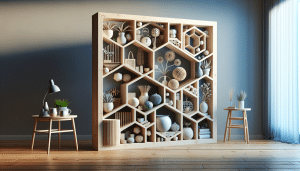
Personal touches offer a finishing flourish. Think framed heirloom photos, unique finds from local artisans, or hand-crafted pieces created during DIY weekends. Even a stack of books arranged just so, or indoor plants displayed on floating shelves, make everyday scenes visually stunning. For renters, removable wallpaper and stick-on tiles offer transformative options without permanent changes. Above all, listening to what feels authentic rather than imitating popular styles ensures spaces maintain soul and grow alongside changing tastes.
Trends and Timelessness: Balancing the Old and New
Each year brings a wave of new ideas in interior design, from sustainable materials and bold geometric prints to vintage revivals and biophilic design. It’s tempting to adopt every trend, but the wisest decorators selectively integrate what resonates. Opting for classic furniture silhouettes allows easy updates through newer accessories or color palettes. This technique keeps spaces feeling current, but never dated. Incorporating sustainable options, like bamboo floors or upcycled décor, supports both the environment and a distinctive look.
Blending eras is a beautiful way to achieve balance. Mixing a modern sectional with a mid-century coffee table or adopting farmhouse shelving with industrial sconces demonstrates how diverse periods can effortlessly coexist. What matters is harmony—color, scale, and placement play larger roles than the age of any one piece. For example, using a unified color palette can help woven baskets, sleek tech gadgets, and retro artwork look right at home together. This flexible approach resonates with those craving individuality while nodding to design history.
Functionality should anchor all design choices. Multi-purpose furniture and smart storage optimize smaller spaces, and are easy to find in both modern and vintage styles. Environmental consciousness is growing in importance, nudging more people toward durable fabrics, non-toxic paints, and energy-efficient fixtures. Keeping an eye on innovations ensures homes remain both functional and inspiring as life circumstances and available technology evolve.
Affordable Ways to Refresh Your Living Space
Refreshing a home doesn’t require massive investment—a few strategic updates can spark major change. Rearranging existing pieces, swapping textiles like pillows or throws, and adding statement lighting often have outsized effect for minimal cost. Paint is among the most budget-friendly upgrades; even a single accent wall in a rich hue or calming pastel dramatically shifts mood and visual interest. Small changes like new hardware on cabinets, or updated lampshades, can breathe life into any room.
Upcycling offers both sustainability and savings. Unused furniture can be given new life through sanding, staining, or paint. Social media and online communities are full of tutorials for converting old doors into desks or repurposing crates as shelving. Beyond sustainability, these projects result in truly unique pieces with built-in stories. Those who hunt for affordable art or vintage finds at markets often uncover treasures unavailable from major retailers, further enhancing personal expression.
No-cost updates can be as simple as a deep clean, strategic decluttering, or thoughtful reorganization. Visual breathing room allows cherished objects to shine. Experimenting with new layouts or grouping similar items together (such as all ceramics on one shelf) also brings fresh perspective. For a quick reset, try creating a seasonal vignette—gather pinecones, candles, or summer blooms to keep energy lively throughout the year. When in doubt, less is often more; editing collections and rotating favorites keeps everything feeling intentional.
Mindful Decorating: Enhancing Mood and Well-Being
The connection between interior spaces and mood has been widely documented. Color psychology suggests that cool tones like blue promote relaxation, while warmer shades such as yellow energize and create cheerful environments. Integrating calming features—think soft rugs underfoot, gentle lighting, or the presence of nature—can lower stress and encourage a sense of sanctuary. Organizing spaces around natural light helps regulate circadian rhythms and boost mental well-being.
Smart decorating extends to every sensory input. Scented diffusers, textured throws, and background music all influence comfort. Plants are particularly powerful; not only do they purify air, but studies link their presence to lower anxiety and greater productivity (Source: https://www.ncbi.nlm.nih.gov/pmc/articles/PMC4419447/). For those with children or pets, choosing non-toxic surfaces and safe, washable materials keeps everyone comfortable and healthy.
Design isn’t just about aesthetics—it’s also about how a home works for daily routines and future plans. Flex zones, where rooms shift function throughout the day, respond to work-from-home and remote schooling needs. Dedicating a small area for meditation or exercise elevates the routine into a highlight. Ultimately, listening to how space impacts daily feelings will guide adjustments. Over time, even tiny tweaks can improve quality of life and emotional connection to home.
Sustainable Choices: Designing With the Planet in Mind
Eco-friendly design is rapidly shaping choices throughout the lifestyle and entertainment sector. From renewable resource use to conscious consumption, the shift is clear. Choosing furniture made from certified wood, recycled metal, or bamboo ensures longevity with minimal global impact (Source: https://www.epa.gov/smm/sustainable-management-materials-home). Shopping local reduces carbon footprint and supports artisans, aligning personal style with global stewardship.
Textiles made from organic cotton, linen, or wool—free of harmful dyes—are increasingly available at mainstream retailers. Rugs crafted from jute and baskets woven from grass prove that sustainability can still be functional and beautiful. Vintage and thrifted decor, already in circulation, avoids unnecessary production and brings unique stories into homes. Mindful owners donate or repurpose items instead of sending them to landfill, extending every object’s lifespan.
Reducing waste goes beyond shopping. Composting organic material, choosing LED lighting, and installing high-efficiency appliances all contribute, often saving money long-term. Smart home systems can automatically adjust lighting and temperature for optimal efficiency, further supporting both comfort and environmental goals. Aligning lifestyle choices with sustainability builds spaces that are as responsible as they are personalized.
Entertainment Spaces That Feel Like Home
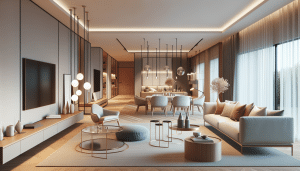
Today’s living spaces serve as stages for entertainment, work, and relaxation. Creating areas that adapt—whether for a movie night, remote meetings, or long conversations—maximizes both fun and function. Thoughtful layouts encourage connection: placing seating in a circle or adding movable poufs turns any gathering into an inclusive event. Multipurpose elements like expandable tables or nesting side stools boost flexibility for hosting.
Technological advances continue to blend seamlessly with décor. Wireless speakers, concealed charging stations, and customizable lighting systems transform everyday routines. Many opt for integrated projector screens or built-in sound systems, which merge cinema-quality experience with everyday comfort (Source: https://www.cnet.com/home/energy-and-utilities/how-to-save-energy-with-smart-home-devices/). Even simple upgrades—like playful board games or well-stocked snack stations—give gatherings an inviting, personal flavor.
Maintaining comfort and aesthetics is key. Durable, easy-clean fabrics can handle everything from pets to parties. Storage solutions that double as décor—such as ottomans with hidden compartments or sleek floating shelves—keep clutter at bay so hosts can relax and enjoy. Ultimately, an entertainment-ready home reflects the very people who live there, supporting every spontaneous moment and lifelong memory.
References
1. American Society of Interior Designers. (n.d.). Personalizing Your Living Space. Retrieved from https://www.asid.org/resources/glossary-of-terms
2. Environmental Protection Agency. (n.d.). Sustainable Management of Materials at Home. Retrieved from https://www.epa.gov/smm/sustainable-management-materials-home
3. National Institutes of Health. (2015). Interaction With Indoor Plants May Reduce Psychological and Physiological Stress. Retrieved from https://www.ncbi.nlm.nih.gov/pmc/articles/PMC4419447/
4. Harvard Health Publishing. (n.d.). How Light Affects Our Health. Retrieved from https://www.health.harvard.edu/staying-healthy/how-light-affects-our-health
5. CNET. (n.d.). How to Save Energy with Smart Home Devices. Retrieved from https://www.cnet.com/home/energy-and-utilities/how-to-save-energy-with-smart-home-devices/
6. The Spruce. (2023). Simple Ways to Make Your House Homey. Retrieved from https://www.thespruce.com/make-your-house-homey-4175706

 Secrets Inside All-Inclusive Resorts You Might Miss