Surprising Truths Behind Collagen and Skin Glow
Emily Ward September 26, 2025
Curious how collagen and skin glow are connected? Dive into this guide to uncover myths, learn the science behind radiant complexions, and explore practical steps that might help you nurture lasting wellness and beauty from within.
Understanding Collagen’s Role in Skin Wellness
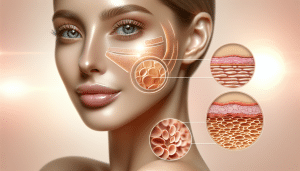
Collagen is a structural protein found throughout the body, but its impact on skin wellness is particularly important. The protein acts as a support net for your skin, giving it a firm, plump appearance. As people age or their lifestyles change, collagen production can decrease, leading to fine lines, loss of elasticity, and dullness. Skin glow isn’t just a matter of surface treatments—it’s deeply connected to how collagen fibers support and renew the skin’s foundation. Many seek radiant complexions by searching for collagen supplements or topical products, but understanding how collagen production naturally works inside the body is key to making informed choices for beauty routines.
Environmental stressors, such as pollution and sunlight, can accelerate collagen breakdown. The skin’s ability to regenerate itself depends largely on this protein matrix beneath the surface. When exploring wellness and beauty solutions, it helps to recognize that glowing skin often results from a combination of healthy collagen synthesis and lifestyle habits. Regular support for collagen production can contribute not only to diminished wrinkles but also to restored vibrancy and even tone over time. It’s not about chasing trends—it’s about supporting what skin needs from the inside out.
Research highlights connections between certain vitamins, especially vitamin C, and their roles in collagen synthesis. Without these nutrients, the body may struggle to repair or build new collagen, regardless of external treatments. Some find that eating a balanced diet rich in protein, leafy greens, and antioxidants can provide essential building blocks for the skin’s natural luminescence. This holistic approach positions collagen not as a miracle solution, but as a vital part of overall wellness. Caring for skin means understanding its structure—and respecting the invisible support that collagen provides.
Debunking Popular Collagen Myths
Collagen hype often outpaces science. Not all collagen supplements reach the skin or have a direct effect on appearance. Your digestive system breaks down most ingested collagen into amino acids, so the body can use them anywhere—not just for skin. Some products market themselves as ‘age-defying’ or ‘instant glow,’ but these claims rarely match clinical research. The visible benefits of collagen-related beauty routines tend to unfold slowly, since skin renewal is a gradual process. Dermatologists encourage consumers to look for transparent evidence and realistic expectations, rather than dramatic promises.
Some believe topical collagen creams can rebuild what’s lost beneath the skin. In reality, collagen molecules are typically too large to penetrate the skin barrier deeply. Instead, creams rich in peptides or vitamins may help promote surface hydration or support the outermost skin layer. This indirect support still offers value, but it’s not the collagen miracle some hope for. The beauty industry continues exploring new ways to deliver these components effectively, but no topical product will fully replicate the complex interaction of nutrients within the body’s natural skin system.
Another misconception surrounds the idea that anyone can achieve glowing skin overnight. Factors like genetics, age, and underlying health play a significant role in individual results. While some people notice improvements after making lifestyle changes or using certain products, others need more time or multi-step approaches. Understanding your own skin and adjusting expectations toward gradual enhancement rather than instant perfection can make the wellness journey both less stressful and more rewarding.
Lifestyle Habits That Support Collagen Naturally
Supporting collagen production starts with daily habits. A diet featuring quality proteins (like fish, eggs, and legumes), colorful produce, and healthy fats supplies raw materials for collagen synthesis. Vitamin C-rich foods, including oranges, berries, and bell peppers, play a crucial part in forming stable collagen fibers. Hydration also cannot be overstated: Water intake helps maintain plump skin by supporting optimal cellular functions throughout the dermis and epidermis. Together, these practices help the skin build strength from within, amplifying its natural glow over time.
Avoiding behaviors that accelerate collagen breakdown can be just as important as adding supportive ones. UV exposure from sunlight is a leading cause of premature collagen degradation. Wearing sunscreen daily is one of the most effective ways to maintain resilient, luminous skin. Limiting smoking and excessive alcohol intake can also make a substantial difference, as both are known to impede collagen formation and slow the body’s ability to repair itself. Each small choice adds up—skin reflects the sum of daily wellness habits.
Exercise may also provide a boost. Studies suggest that regular physical activity increases circulation, delivering more oxygen and nutrients to skin cells. Improved blood flow is linked with the skin’s repair processes and may indirectly enhance collagen renewal. Even low-impact movement, such as walking or yoga, can introduce these benefits. In the end, nurturing beauty is not just about cosmetic treatments—but about aligning physical and mental well-being with nature’s own restorative rhythms.
Exploring Collagen Supplements: What to Consider
Collagen supplements have become a popular addition to wellness routines. These products, found as powders, capsules, or drinks, claim to support skin elasticity and brightness. Scientific consensus is mixed; while some studies show potential for improved hydration and reduced wrinkle depth, other research underscores that benefits can vary based on the form and source of the supplement. For those interested in trying supplements, it’s helpful to choose types that have been evaluated in peer-reviewed studies and to combine them with balanced nutrition and healthy habits for best results.
The source of collagen also matters. Marine collagen, derived from fish, and bovine collagen, sourced from cattle, are two common forms available. Each type contains slightly different amino acid profiles, which may interact with different tissues. Those with allergies or dietary restrictions should review ingredients carefully. There is currently no one-size-fits-all answer to the question of which collagen supplement is ‘best’. Instead, individuals are encouraged to research options, consider dietary needs, and perhaps consult healthcare professionals before adding new supplements to their routines.
Additionally, supporting gut health can influence the effectiveness of any ingestible supplement. A healthy digestive system is needed to break down proteins and distribute amino acids for skin repair. Probiotic-rich foods and fiber can foster more resilient gut flora, creating a synergistic environment where both diet and supplements contribute meaningfully to glowing skin. Supplements may offer an extra boost, but they’re most effective when paired with consistent self-care, restful sleep, and healthy eating patterns.
Skincare Habits That Compliment Collagen’s Work
Effective skincare habits can complement natural collagen efforts and enhance overall radiance. Gentle cleansing preserves the skin barrier and prevents the kind of irritation that can erode supportive proteins over time. Moisturizing with products that include hyaluronic acid or ceramides helps the skin retain moisture, supporting a supple look and feel. Ingredients like retinoids stimulate the skin’s renewal process and are often paired with sunscreens for optimal day-to-day glow. Small changes, such as switching to fragrance-free products or avoiding harsh scrubs, aid in protecting the collagen network built beneath the skin.
Regular, yet moderate, exfoliation can help slough off dead skin cells, revealing brighter skin and allowing for improved absorption of hydrating products. Overdoing exfoliation, however, can strip protective oils and damage the collagen-rich lower layers. Listening to the skin’s response is crucial—some individuals find weekly exfoliation plenty, while others need less frequent treatments. Mindful routines built around observation, comfort, and consistency tend to be most sustainable and effective.
Finally, prioritizing sleep is vital. The body repairs itself overnight, and many critical skin renewal processes—including collagen production—take place during deep, restful sleep. Reducing digital screen exposure before bedtime, creating calming bedtime rituals, and allowing the skin to breathe (sometimes by skipping heavy nighttime products) all contribute to lasting beauty. Radiance, it turns out, begins with the basics: nourishment, rest, and gentle care inside and out.
Measuring Results and Setting Realistic Expectations
Visible changes from collagen-boosting routines often arrive slowly. This timeline reflects the natural pace of skin renewal, which typically occurs over weeks or months rather than days. Dermatologists suggest tracking progress with photos or journals and celebrating small wins like improved softness or even tone. Embracing patience can turn skincare into a rewarding long-term practice instead of a fleeting fix.
Genetics influence the baseline thickness and elasticity of skin, and responses to collagen support strategies will differ from person to person. Age, environment, and lifestyle all play major roles. Some notice subtle improvements, while others experience more significant transformations. Comparing results with others can lead to frustration; focusing on individual well-being and self-discovery provides a healthier, more balanced mindset.
The key takeaway is that wellness and beauty are deeply personal journeys. Collagen can play an important supporting role, but it’s just one factor among many. Sustainable outcomes arise from consistent, evidence-based habits rather than from miracle claims. When curiosity and self-compassion guide choices, the path to glowing skin can be as rewarding as its destination.
References
1. American Academy of Dermatology Association. (n.d.). Collagen: What is it and what does it do? Retrieved from https://www.aad.org/public/everyday-care/skin-care-basics/care/collagen
2. Harvard School of Public Health. (n.d.). Collagen: Nutrition and health. Retrieved from https://www.hsph.harvard.edu/nutritionsource/collagen/
3. Cleveland Clinic. (n.d.). Collagen supplements: Do they work? Retrieved from https://health.clevelandclinic.org/are-collagen-supplements-beneficial/
4. National Center for Complementary and Integrative Health. (n.d.). Collagen and health. Retrieved from https://www.nccih.nih.gov/health/collagen
5. Mayo Clinic. (n.d.). Is collagen a beauty booster? Retrieved from https://www.mayoclinic.org/healthy-lifestyle/nutrition-and-healthy-eating/expert-answers/collagen-supplements/faq-20420072
6. Johns Hopkins Medicine. (n.d.). The science of skin care. Retrieved from https://www.hopkinsmedicine.org/health/wellness-and-prevention/the-science-of-skin-care

 You May Be Missing the Real Story About Collagen