What You Might Not Expect About Collagen for Skin
Emily Ward September 26, 2025
Curious if collagen can transform your skin care routine? This guide uncovers how collagen influences beauty from the inside out, separating hype from scientifically supported effects and offering insights on what actually impacts visible radiance and skin health.
What is Collagen and Why Does Skin Need It?
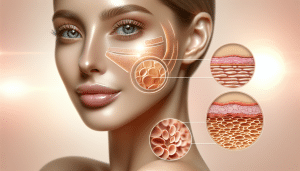
Collagen is often described as a foundation for youthful, radiant skin. Naturally present in the body, it acts as a vital protein that supports skin structure, firmness, and elasticity. As time passes, collagen levels decline, resulting in fine lines and reduced skin suppleness. While skincare products and supplements often market the promise of boosting collagen, the actual process is more complex. Understanding collagen’s role is the first step to making informed choices about beauty products and wellness routines.
The link between collagen and visible signs of aging is established in scientific literature. Collagen fibers provide a scaffold for the skin, helping to maintain its smooth and plump appearance. Environmental factors like sun exposure and pollution can accelerate the breakdown of collagen, leading many to seek ways to replenish or protect what remains. Awareness of these influences has spurred research into both topical and nutritional solutions that claim to support collagen production.
Many may not realize that genetics also impact the skin’s collagen content. While environmental and lifestyle factors are significant, individual differences can determine how quickly skin ages and how effectively collagen is regenerated. This means that personalized approaches often deliver more realistic results than one-size-fits-all beauty regimens. The science supports a multi-layered approach to skin wellness, combining prevention, nourishment, and protection.
Common Collagen-Boosting Approaches
From powders to creams, collagen-centric products dominate beauty aisles and online wellness shops. Topical collagen creams often market claims about visibly firmer skin. Yet, research suggests that collagen molecules are typically too large to penetrate the skin’s surface. This has shifted the focus to ingredients that support the body’s natural production of collagen, such as peptides and vitamin C, as well as to nutritional sources like bone broth and fish skin peptides. The effectiveness of any approach depends on formulation, frequency of use, and individual biology.
Oral collagen supplements have sparked widespread interest. These products are derived from animal sources and are broken down into peptides for absorption. Unlike topical applications, ingested collagen may be more accessible to the body’s repair systems, potentially aiding in the maintenance of skin thickness and hydration. However, effects and absorption rates vary, especially depending on digestive health and other dietary habits. Rigorous clinical trials have yielded mixed but promising results, highlighting the importance of proper sourcing and consistency in supplement use (https://ods.od.nih.gov/factsheets/Collagen-Consumer/).
Nutritional strategies can offer more than just collagen itself. Diets rich in vitamin C, zinc, and amino acids support the body’s own collagen synthesis. Foods like citrus fruits, leafy greens, and lean proteins can contribute to youthful-looking skin when paired with sun protection and stress management. Easy lifestyle adjustments may yield long-term advantages for skin resilience compared to relying solely on any single supplement or topical application.
Potential Benefits and Realistic Outcomes
Emerging evidence suggests collagen supplementation may support skin hydration and elasticity. Participants in some studies report smoother, more resilient skin after several weeks of consistent use. However, experts caution that effects are gradual and best considered as part of a holistic wellness plan rather than a quick fix. It’s not uncommon for results to depend on age, starting skin condition, and overall health. Setting realistic expectations is key to avoiding disappointment with collagen-focused routines.
Elasticity is a frequently cited benefit due to collagen’s role in holding together dermal layers. When supported by healthy habits—hydration, adequate sleep, gentle skincare—additional collagen may help the skin adapt to daily stressors more effectively. Still, dramatic before-and-after transformations are rare. Consistent, moderate improvement is what most clinical research suggests, particularly when collagen intake is paired with other supportive nutrients (https://www.ncbi.nlm.nih.gov/pmc/articles/PMC6835901/).
With increased popularity, misinformation sometimes inflates expectations about collagen’s power in addressing wrinkles or sagging skin. Science indicates that improving moisture retention is more common than “erasing” visible lines. Professional dermatologists frequently recommend combining collagen-based strategies with broad-spectrum sun protection and regular moisturizing for best results. Anyone considering major changes to their skin routine should consult a healthcare provider, especially in the case of allergies or preexisting conditions.
What Influences Collagen Loss and How to Slow It
Ultraviolet radiation remains one of the most significant external threats to collagen integrity. Unprotected sun exposure accelerates collagen fragmentation, resulting in premature wrinkles, dark spots, and weakened skin structure. Regular use of mineral or chemical sunscreen, as well as seeking shade, helps preserve collagen content. Wearing hats and sunglasses also deflects harmful rays, making these simple choices crucial for long-term skin health (https://www.skincancer.org/skin-cancer-prevention/sun-protection/sunscreen/).
Lifestyle habits such as smoking and excessive alcohol use are closely linked to accelerated skin aging. These behaviors disrupt the structure of collagen fibers and impede the skin’s natural repair processes. On the other hand, prioritizing sleep, minimizing emotional stress, and engaging in regular, gentle exercise may help the skin retain firmness over time. Small, sustainable adjustments provide the foundation for collagen maintenance at any age.
Nutrient deficiencies, especially of vitamin C and certain amino acids, can reduce the body’s ability to generate new collagen. Collagen synthesis occurs daily, making ongoing nourishment essential for visible beauty benefits. Including a variety of colorful fruits, vegetables, nuts, seeds, and lean proteins in the diet serves as a proactive strategy for supporting collagen and overall skin appearance. A mindful, balanced lifestyle proves just as important as targeted products for true skin resilience.
An Overview of Collagen Ingredients in Modern Skincare
Beauty labels often feature terms like ‘hydrolyzed collagen’ and ‘bioactive peptides,’ but understanding what these ingredients mean can help set reasonable expectations. Hydrolyzed collagen is a processed form with smaller peptide chains—believed to be more bioavailable in supplements. In topical skin care, collagen is often used as a moisturizing or film-forming agent. The science indicates that while these can help skin feel softer, real anti-aging effects depend on broader formulations and proper use (https://www.ncbi.nlm.nih.gov/pmc/articles/PMC8824543/).
Botanical extracts like centella asiatica, aloe vera, and green tea are regularly included with collagen for potential antioxidant or soothing effects. When chosen carefully, such blends may assist with skin barrier function and hydration. However, always patch-test new products, especially if sensitive to certain extracts. Reading ingredient lists and researching company transparency helps in making choices tailored to individual skin wellness goals.
Consumers may also encounter products containing retinol, peptides, or vitamin C, ingredients that can stimulate natural collagen production. Clinical studies point to meaningful synergy between these agents and lifestyle approaches. For many, a personalized routine—based on skin needs, concerns, and tolerances—delivers better outcomes than following fleeting trends. Discovering what works for an individual remains a process of education and mindful experimentation.
Beyond Beauty: Other Potential Roles of Collagen
Collagen’s value extends well past skin-deep effects. It supports the strength and flexibility of tendons, ligaments, and cartilage, explaining its use among athletes and individuals managing joint stiffness. Clinical research continues to investigate how collagen supplementation might ease physical discomfort or facilitate recovery after exercise. These applications are supplementary to—but interconnected with—collagen’s reputation in the beauty sphere (https://www.nih.gov/news-events/nih-research-matters/collagen-helps-form-stable-sites-inside-cells).
Some studies have explored whether collagen peptides can impact gut health and digestion. Although definitive guidance is limited, preliminary findings suggest certain collagen types might support gut barrier function. These avenues are still evolving, and leading medical organizations recommend evidence-based approaches for those seeking gastrointestinal health benefits.
Reflecting its versatile nature, collagen is a focus of innovation in both wellness and scientific communities. Researchers are examining its applications in wound care, bone health, and tissue regeneration as well. While promising, these uses are still under investigation and require guidance from medical professionals. Collagen offers wide potential—within and beyond the quest for radiant skin.
References
1. National Institutes of Health Office of Dietary Supplements. (n.d.). Collagen. Retrieved from https://ods.od.nih.gov/factsheets/Collagen-Consumer/
2. Skincare.org. (n.d.). Sunscreen. Retrieved from https://www.skincancer.org/skin-cancer-prevention/sun-protection/sunscreen/
3. Schunck, M. & Zague, V. (2019). Collagen for skin health: Review and future directions. Retrieved from https://www.ncbi.nlm.nih.gov/pmc/articles/PMC6835901/
4. NIH Research Matters. (2021). Collagen helps form stable sites inside cells. Retrieved from https://www.nih.gov/news-events/nih-research-matters/collagen-helps-form-stable-sites-inside-cells
5. National Institutes of Health. (2022). Collagen: Supplementation and skin health. Retrieved from https://www.ncbi.nlm.nih.gov/pmc/articles/PMC8824543/
6. Harvard Health Publishing. (n.d.). Collagen supplements: Do they work? Retrieved from https://www.health.harvard.edu/staying-healthy/collagen-supplements-do-they-work

 Simple Ways You Can Transform Everyday Living