Can You Transform Your Skin with Collagen Peptides
Emily Ward September 25, 2025
Curious about the real impact of collagen peptides for skin health? This guide explores how these popular supplements are changing the wellness and beauty conversation—from inside out hydration to firming routines. Learn about different types, results, and tips for smarter self-care, all based on science-backed findings and industry insights.
Understanding Collagen Peptides for Skin Renewal
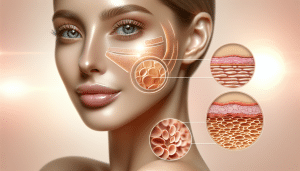
Collagen peptides have rapidly gained attention in the wellness and beauty industry, sparking a movement toward evidence-based self-care routines. As proteins responsible for maintaining skin’s elasticity and strength, collagen molecules naturally decline with age. Many believe supplementing with hydrolyzed collagen—commonly known as collagen peptides—can help bridge this gap. The science suggests that collagen peptides are broken down into smaller particles, making them easier for the body to absorb and possibly more effective in supporting skin structure from within. These supplements are often derived from sources like fish, bovine, or chicken and can be found in powders, capsules, and even collagen-infused drinks. While marketing often touts “youthful glow” or “age reversal,” it’s important to note that real outcomes vary. Reliable research has begun to show promising links between collagen peptide intake and skin moisture, elasticity, and appearance, leading more people to view these products as an integral part of a proactive skincare routine.
Why has collagen become such a staple in beauty conversations? The answer lies in the protein’s crucial role as a main building block for the body’s connective tissues, especially the dermis. As we age, collagen synthesis slows, leading to wrinkles, dryness, and sagging skin. People seeking non-invasive ways to maintain their skin’s firmness and hydration naturally turn to collagen supplements. Clinical trials are now examining whether daily supplementation can offset some of age’s visible effects. A consistent theme in these studies is the benefit of hydrolyzed collagen, which is processed to maximize absorption. Some findings indicate that individuals supplementing with collagen peptides report smoother skin texture and improved hydration over several months of regular consumption. However, it’s worth exploring both the advantages and the boundaries these studies highlight, since not every result is universal.
The shift toward inside out beauty means more focus is placed on what we consume versus only topical applications. With collagen peptides available in various formulations, it can become confusing to decide which option best fits personal health goals. The rise in popularity of these supplements also shines a light on holistic approaches to skincare that encompass diet, sleep, and stress management. Understanding the underlying mechanisms—such as how peptides interact with skin fibroblasts—can empower users to make smarter decisions. For those curious about visible improvements, supporting a collagen-rich routine with antioxidant-rich foods and adequate hydration may amplify benefits. The evolving research landscape continues to influence best practices around integrating collagen peptides in daily regimens, making ongoing education crucial for anyone devoted to improving skin health from within.
The Science Behind Collagen Peptide Supplements
When discussing collagen, many consumers wonder if supplements truly penetrate the skin barrier. Collagen molecules in their native form are too large to be easily absorbed; thus, they are hydrolyzed into peptides—smaller fragments that can travel through the digestive tract and reach target tissues. After ingestion, these peptides may stimulate fibroblasts, the skin’s collagen-producing cells, offering the potential for meaningful results. Recent research highlights the role of bioactive peptides in triggering collagen and elastin production at the cellular level. Studies show improved skin elasticity, hydration, and reduced wrinkle depth in participants using certain collagen peptide formulas over periods ranging from 8 to 24 weeks. Nonetheless, individual responses vary depending on genetics, lifestyle, and even gut health. Not all collagen supplements are the same, with factors like source, hydrolysis degree, and additional nutrients (like vitamin C) making a difference in effectiveness.
Clinical proof supporting the use of collagen peptides continues to grow, often focusing on skin hydration, elasticity, and delayed wrinkle formation. Several double-blind, placebo-controlled studies revealed that individuals who consumed hydrolyzed collagen peptides experienced greater skin moisture retention and increased density of collagen fibers in target areas. For example, one meta-analysis reviewed multiple studies and concluded that consistent use—particularly when paired with antioxidants or hyaluronic acid—amplified positive outcomes. Some researchers suggest the peptides act as messengers, signaling the body to produce more collagen where it is needed most. However, expectations should remain grounded; while visible improvements are possible, results depend on the quality of supplement, adherence, and individual physiology.
It’s not just about the supplement. For collagen peptides to deliver real benefits, certain nutrients and lifestyle factors work synergistically. Vitamin C is essential in the synthesis pathway, and adequate hydration supports efficient cellular metabolism. Smoking, stress, and UV exposure can all counteract the positive effects of supplementation, which is why a holistic approach is often recommended. Most findings agree that while supplements play a role, they should complement — not replace — a balanced diet and thoughtful skin care. As more consumers seek proven pathways for sustaining youthful skin, ongoing scientific inquiry will continue to inform the collagen conversation.
Practical Ways to Integrate Collagen into Daily Life
Collagen peptides offer versatility for those interested in enhancing their beauty and wellness routine. Many products dissolve seamlessly in hot or cold beverages, making them easy to incorporate into morning coffee, smoothies, or even soup. Some brands also include additional active ingredients such as antioxidants or probiotics, which may further support skin, hair, and nail health. For optimal results, experts recommend establishing a consistent routine, as sporadic use may not yield significant improvements. In practice, supplementing collagen works best alongside a balanced diet rich in vitamin C, zinc, and healthy fats—key nutrients which promote natural collagen synthesis. Considering personal taste preferences and digestive sensitivities, users can experiment with different forms of collagen supplement to find what blends into their diets best.
How much collagen is enough? Dosage recommendations vary widely, with most studies observing benefits at intakes of 2.5 to 15 grams daily. Some individuals choose to split this amount throughout the day, while others take it as a single serving. Not all sources and formulations are equivalent, so reading ingredient labels and selecting reputable brands can help ensure product quality and safety. Since collagen is not a complete protein, pairing it with diverse protein sources supports broader nutritional needs. Beyond supplements, incorporating bone broth and collagen-boosting foods like berries, leafy greens, and wild-caught fish can naturally enhance the effects of peptide-based regimens.
Practical application extends past the kitchen. For many, collagen supplementation is intertwined with self-care rituals geared toward both physical and mental well-being. Whether it’s used in a calming beverage before bedtime or as part of a post-exercise recovery routine, the goal is to make the practice enjoyable and sustainable. Tracking visible changes, such as improved skin hydration or texture over time, can motivate continued use. Many find that when collagen peptides are integrated alongside sleep optimization, stress reduction, and daily SPF application, the full spectrum of wellness and beauty benefits becomes more attainable. As with any emerging trend, paying attention to your body’s cues and consulting healthcare professionals ensures that the journey remains safe and rewarding.
Realistic Outcomes and Considerations with Collagen Peptides
Despite the growing popularity of collagen peptides for beauty routines, realistic expectations remain essential. The timeline for seeing visible skin changes can differ—some people may notice softer skin within a few weeks, while others need several months of consistent supplementation. Genetics, age, sun exposure, underlying health conditions, and even hormonal fluctuations influence results. Not everyone will experience a dramatic transformation; some individuals may see subtle improvements in hydration or texture, rather than significant reductions in fine lines or wrinkles. Honest communication from wellness experts underscores that collagen is one piece of a larger healthy lifestyle puzzle, rather than a miracle solution.
It’s also worth acknowledging possible drawbacks and uncertainties. Those with allergies to fish, eggs, or bovine products must carefully select their collagen sources to avoid adverse reactions. Some minor digestive upset or aftertaste is possible, especially with higher doses or lower-quality formulas. Sourcing transparent, third-party tested products helps minimize the risk of contaminants or harmful additives. Dietary restrictions, such as vegetarian or vegan lifestyles, present further limitations since most collagen is animal-derived. For those seeking plant-based alternatives, focusing on amino acid-rich foods and supporting natural collagen synthesis through lifestyle factors can be a meaningful substitute.
Finally, ongoing scientific debate remains around potential long-term effects and the ideal usage protocols for collagen peptides. The available studies offer encouraging preliminary insights, particularly in short to mid-term trials, but more rigorous, long-term research is needed to confirm the full range of effects and optimal dosages. Collaborating with dermatologists or nutritionists can help tailor supplementation plans to meet individual needs. Ultimately, embracing a holistic mindset—combining topical skincare, balanced nutrition, sun protection, and mindful supplementation—allows individuals to achieve sustainable, healthy beauty outcomes over time.
Beyond Supplements: Lifestyle Habits for Skin Health
Supplements alone will not create lasting skin transformation. Lifestyle habits deeply influence the effectiveness of collagen peptides and overall beauty outcomes. Consistent hydration—drinking enough water each day—keeps skin cells plump and supports healthy circulation. Balanced nutrition, rich in antioxidants from vegetables, whole grains, and healthy fats, reduces inflammation and counters oxidative stress—a leading cause of skin aging. Adequate sleep allows for cellular regeneration and repair, complementing any ingestible beauty regimen. Together, these factors work synergistically, forming the real backbone of healthy, glowing skin at any age.
Sun protection cannot be overstated. Daily application of broad-spectrum sunscreen shields skin from damaging ultraviolet rays, which contribute to premature collagen breakdown and visible signs of aging. Avoiding tobacco products and managing chronic stress also play decisive roles in maintaining elasticity and vibrancy. Collagen peptide supplementation is most effective when combined with an overall commitment to skin-friendly behaviors. Tech solutions, like self-monitoring apps and wearables, may further encourage positive habit formation, ensuring sustained attention to self-care routines that benefit the skin’s longevity.
Taking a holistic view unlocks more than just surface-level beauty. Practices such as mindfulness, stress reduction, and regular movement improve mood and immune function, which indirectly support skin health. Establishing rituals—whether it’s a nutrient-packed breakfast, an evening skincare wind-down, or a peaceful lunchtime walk—helps anchor self-care in daily life. Integrating collagen peptides into these practices offers another layer of support, amplifying the power of long-term wellness strategies. Let curiosity guide the ongoing exploration of what works best, making the wellness journey enjoyable and sustainable for the long term.
References
1. Schunck, M., Moinard, C., & Hermier, D. (2015). Oral supplementation with specific bioactive collagen peptides improves nail growth and reduces symptoms of brittle nails. https://www.sciencedirect.com/science/article/pii/S0022202X1533947X
2. Hexsel, D., Zague, V., Schunck, M., Siega, C., & Camozzato, F. (2017). Oral hydrolyzed collagen for skin aging: A systematic review. https://jamanetwork.com/journals/jamadermatology/fullarticle/2663467
3. Postlethwaite, A. E., & Seyer, J. M. (1978). The chemistry and biology of collagen. https://www.ncbi.nlm.nih.gov/books/NBK21582/
4. U.S. National Library of Medicine. (n.d.). Collagen peptide supplementation and aspects of skin health. https://pubmed.ncbi.nlm.nih.gov/30730551/
5. U.S. Food & Drug Administration. (n.d.). Dietary supplements: What you need to know. https://www.fda.gov/food/dietary-supplements/dietary-supplements-what-you-need-know
6. American Academy of Dermatology Association. (n.d.). Collagen: What it is and what it does for your skin. https://www.aad.org/public/everyday-care/skin-care-secrets/anti-aging/collagen

 Natural Ways You Can Support Glowing Skin