Unveiling the Secrets Behind Glowing Skin
Emily Ward September 25, 2025
Curious about how some people achieve radiant, healthy-looking skin? Dive into a comprehensive guide on the science of glowing skin, practical beauty routines, nutrition, and trending wellness treatments. Understand what influences skin radiance and learn informative, research-based approaches to nurturing your skin’s natural glow.
The Science of Glowing Skin Explained
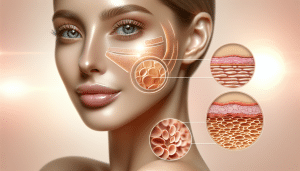
Radiant skin has captivated attention across cultures for centuries. But what truly gives someone that coveted glow? At its core, glowing skin results from optimal cell turnover, balanced hydration, and strong skin barrier function. Factors like genetics, lifestyle, and age all influence the skin’s vibrance. However, research shows healthy skin is largely the result of consistent care and deliberate choices. Cellular regeneration, for instance, is boosted by adequate sleep, nutrient-rich foods, and gentle exfoliation that supports the skin’s ability to renew itself. Unlocking this science means treating the skin as a complex organ—one influenced by both internal health and external habits.
There’s more to it than meets the eye. The microbiome—the network of beneficial bacteria on the skin—plays an essential role in maintaining hydration and defending against irritants. A thriving microbiome supports smoother texture and natural brightness. Environmental stressors such as UV rays and pollution can disrupt this delicate balance. That’s why antioxidant-rich serums and daily sun protection are frequently emphasized in modern skincare. Using gentle cleansers, prebiotics, and lightweight moisturizers can help preserve the skin’s natural defenses.
Underlying skin health can also be affected by hormonal changes, chronic stress, and lifestyle factors. Even the most luxurious skincare regime will struggle against factors like inconsistent sleep or dehydration. Science increasingly highlights the connection between stress reduction, mental wellness, and improved skin tone. This holistic perspective has prompted a shift toward routines that blend mindfulness, physical activity, and self-care, producing visible benefits for the complexion.
Nourishing Your Skin From Within
Nutrition forms the foundation for glowing, resilient skin. Antioxidants found in colorful fruits and vegetables—like vitamin C in berries and vitamin E in leafy greens—help neutralize free radicals, reducing visible signs of aging and promoting radiance. Omega-3 fatty acids in nuts and seeds support the skin’s lipid barrier, preventing dryness and irritation. Research highlights how even mild dehydration can dull your skin’s appearance. Drinking sufficient water helps maintain elasticity and provides a plumper, more youthful look.
Hidden culprits like ultra-processed foods and excessive sugar often undermine your skin’s natural glow. These foods can contribute to inflammation and worsen common conditions such as acne or eczema. Studies have established a strong relationship between the gut microbiome and skin health, sometimes referred to as the ‘gut-skin axis.’ Probiotics and fiber-rich diets encourage a healthy gut, which may translate to fewer breakouts and a brighter complexion. The role of micronutrients, including zinc and selenium, is just as crucial in supporting collagen synthesis and skin repair.
It’s not all about what you avoid—it’s also about what you incorporate. Green tea, for example, is packed with polyphenols that soothe irritation and aid in skin preservation. Collagen supplements, while still being researched, are popular for their potential to enhance skin smoothness. Many choose a Mediterranean-style eating pattern, rich in vegetables, healthy fats, and lean proteins, for sustainable results. Nutrition-based approaches are increasingly integrated into wellness routines for their broad physical and aesthetic benefits.
Building a Simple, Effective Skincare Routine
Skincare routines don’t have to be overly complex to achieve visible results. A few targeted steps, practiced consistently, will often outperform elaborate regimes. The basics include daily cleansing, moisturizing, and broad-spectrum sun protection. Throughout the years, dermatologists have emphasized the importance of a gentle approach. Using harsh scrubs or multiple actives at once can strip the skin’s barrier and trigger sensitivity. Mild, non-foaming cleansers remove impurities without over-drying, while moisturizers with ceramides help secure hydration for longer-lasting comfort.
Layering products strategically can amplify outcomes. Applying a vitamin C serum in the morning offers antioxidant defense and promotes a natural glow. At night, retinoids or peptides assist with cell turnover and repair. Product selection should always consider individual skin types—oily, dry, combination, or sensitive. Routine patch testing can prevent unexpected irritation. Over time, these mindful choices contribute to healthier, more luminous skin that feels comfortable and smooth.
Sunscreen deserves special mention. Studies continue to confirm its crucial role in preventing premature aging, dark spots, and loss of radiance caused by UV exposure. Applying a broad-spectrum SPF daily—regardless of weather or season—protects your skin’s investment in self-care. Exfoliation, either physically or with gentle acids, can help remove dull surface cells but should be done in moderation. Listen to your skin: subtle adjustments based on weather, hormones, or activity levels often produce the best results.
Emerging Treatments and Trends in Skin Wellness
The world of wellness and beauty evolves rapidly, with new treatments receiving lots of attention. Microcurrent facials and LED light therapy have recently risen in popularity for their ability to stimulate skin cells and foster a radiant glow. These non-invasive techniques can complement a daily routine, providing a supportive boost at the cellular level. Some clinics even offer personalized facials using data from skin analysis devices, tailoring care to each individual’s unique needs.
Other innovations include microneedling, which encourages collagen production through tiny skin pricks, and gentle chemical peels that rejuvenate texture and tone. These treatments are often offered in dermatology offices or reputable spas. It’s important, however, to verify certifications and ensure practitioners use safe, evidence-based approaches. Many clinics provide consultations to align expectations and offer aftercare guidance, making these treatments increasingly accessible and approachable.
The ‘inside-out’ trend is also strong, with practitioners recommending stress management, guided meditation, and sleep optimization for overall skin vitality. Apps and trackers help individuals monitor habits, hydration, and sleep quality for real-time improvements. This integrated wellness approach is changing the way many think about the relationship between health and beauty, proving that glowing skin goes beyond just what is applied topically.
Mindfulness, Rest, and the Skin Connection
Surprisingly, one of the most effective beauty strategies involves something simple: rest. Chronic stress and lack of sleep can trigger hormone fluctuations that lead to breakouts and dullness. When the body rests, it enters repair mode, helping heal minor damages, rebalance moisture, and enhance overall radiance. Consistent, quality sleep is linked to increased collagen renewal and reduced inflammation—the foundations of healthy skin.
Mindfulness practices, such as yoga and meditation, are gaining recognition for their skin benefits. Reducing stress hormones such as cortisol can improve blood flow and boost oxygen delivery to skin cells. There’s also emerging evidence supporting the mind-body link: people practicing regular relaxation techniques often report clearer, brighter complexions. Integrating a few mindful moments into the day can have ripple effects that support physical and emotional wellness, as well as beauty goals.
Simple habits—unplugging before bed, savoring calming teas, or maintaining a gratitude journal—help reinforce skin’s resilience. These mindful rituals can lower inflammation and protect against premature aging. Combined with good nutrition, sun protection, and sensible routines, relaxation rounds out a balanced approach to skin health. Over time, these small daily acts help foster the kind of radiance that can’t be bottled.
Separating Skincare Myths From Research
In the age of social media, misinformation about skin wellness spreads quickly. Not every trendy ingredient or viral hack is genuinely effective—or even safe. For instance, using lemon juice directly on the face can disrupt the barrier and cause sensitivity or burns. Choosing products with robust research behind them helps prevent negative outcomes and maximizes benefits. Dermatologists recommend sticking to scientifically validated ingredients such as niacinamide, hyaluronic acid, and mineral-based SPF.
Not all ‘natural’ solutions are universally better. Some plant extracts or essential oils can spark allergies or worsen certain conditions. Scientific scrutiny, not popularity, should guide skincare choices. Reliable resources like peer-reviewed journals, academic medical centers, and nonprofit wellness organizations can help sort fact from fiction. Checking sources and consulting with professionals ensures that any new addition to a regimen is truly beneficial.
It’s helpful to approach new advice with curiosity, not skepticism. Asking questions, reading ingredient lists, and staying alert to product recall notices can safeguard overall skin health. Learning to distinguish between marketing hype and proven science helps build lasting, healthy routines. Ultimately, an informed approach protects both confidence and the long-term vitality of your skin.
References
1. American Academy of Dermatology. (n.d.). Skin care tips dermatologists use. Retrieved from https://www.aad.org/public/everyday-care/skin-care-secrets
2. Harvard Health Publishing. (n.d.). What can you do to get glowing skin? Retrieved from https://www.health.harvard.edu/staying-healthy/what-can-you-do-to-get-glowing-skin
3. Cleveland Clinic. (n.d.). The gut-skin connection. Retrieved from https://health.clevelandclinic.org/the-gut-skin-connection
4. Mayo Clinic. (n.d.). Skin care: 5 tips for healthy skin. Retrieved from https://www.mayoclinic.org/healthy-lifestyle/adult-health/in-depth/skin-care/art-20048237
5. National Institutes of Health. (n.d.). Micronutrients and skin health. Retrieved from https://ods.od.nih.gov/factsheets/MicronutrientsHealthProfessional/
6. Sleep Foundation. (n.d.). How sleep affects your skin. Retrieved from https://www.sleepfoundation.org/physical-health/how-sleep-affects-your-skin

 Hidden Factors That Influence Home Appraisal Values