Minimalist Home Decor Trends You Will Love
Clara Mitchell September 25, 2025
Minimalist home decor is gaining popularity as many seek a simpler and more mindful lifestyle. This guide explores trending themes, key design principles, and the positive impact minimalist choices have on both living spaces and well-being. Learn practical ways to adopt this approach for a calming, stylish home.
What Makes Minimalist Home Decor Appealing
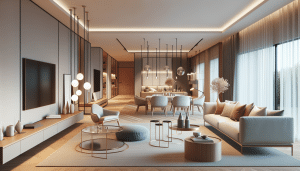
Minimalist home decor goes beyond visual appeal; it shapes how space feels. At its heart, minimalism emphasizes fewer items, neutral colors, and uncluttered surfaces. This style helps create an environment that feels open, calm, and sustainable. Many people find that a pared-down blueprint leads to greater focus and clearer thinking because the mind isn’t distracted by excess objects or patterns. Minimalist decor isn’t about starkness. Instead, it’s about quality over quantity, purpose-led design, and making every piece count. Furniture choices tend to be functional, with hidden storage solutions and flexible layouts, reflecting a desire for both practicality and comfort. Minimalist home decor works because it provides an oasis of calm, something increasingly valued in a fast-paced world.!
Designers and homeowners alike turn to minimalist interiors for their ability to showcase natural light and architectural features. By limiting colors to whites, greys, or earthy tones, spaces achieve a gentle harmony that feels timeless rather than trendy. Many minimalists opt for open shelving, streamlined sofas, or multi-purpose pieces that bring both aesthetics and efficiency into daily living. Research suggests that decluttering one’s surroundings is directly linked to improved mood and mental wellness (https://www.apa.org/news/press/releases/2016/02/personal-space). Minimalism complements smaller homes, studios, and modern apartments, making this approach ideal for urban spaces. By keeping only essentials and meaningful items, residents find it easier to maintain a sense of order and cleanliness each day.
Interest in minimalist home decor trends continues to rise thanks to influencers, design magazines, and popular streaming shows. These platforms inspire viewers to embrace the benefits of less, showcasing real-world examples of beautifully styled yet remarkably simple homes. Home staging professionals consistently recommend minimalism as a proven way to add value to properties and attract future buyers. The appeal lies not just in looks but in the experience of living with intention. Letting go of excess creates opportunities for personal expression—artwork is chosen more carefully, natural materials stand out, and every corner can serve a purpose.
Essential Principles of Minimalist Decor
Adopting minimalist home decor begins with decluttering. This means evaluating every possession for utility or joy. If an item doesn’t serve a purpose, it’s let go. Regular decluttering, according to many home organization experts, makes rooms look bigger and more inviting. The process isn’t always easy at first, but over time, it instills a rewarding sense of accomplishment. Mindful furniture selection is another core principle. Rather than filling rooms with multiple pieces, minimalists choose a few reliable, well-crafted items. These might include a streamlined sofa, a solid coffee table, and multifunctional seating. This reduces visual chaos while ensuring each feature enhances comfort.
Color palettes are deliberately neutral, favoring whites, creams, and light greys, though sometimes accent colors like soft blues or pale greens are introduced for interest. Careful lighting placement enhances the feeling of space, using natural daylight whenever possible. Floor plans often remain open, and decorative accessories are kept to a minimum. Wall art is intentional and typically large-scale rather than gallery-style, helping anchor and unify the room. Minimalist decor also encourages bringing the outdoors inside, often with greenery or tactile elements like wood and stone. Sustainability becomes part of the ethos, leading many enthusiasts to choose ethically produced and long-lasting home goods (https://www.houzz.com/magazine/sustainable-home-design-ideas).
One often-overlooked principle is negative space. This is the practice of leaving areas intentionally empty, which brings attention to textures or highlight features such as architectural beams or oversized windows. Negative space lets the home breathe, offering both a literal and emotional refresh. Importantly, minimalist design never means sacrificing warmth. Thoughtful placement of textiles—a soft throw, woven rug, or cozy cushions—provides comfort and personality amid clean lines. The key is restraint and balance. Each choice is made to serve the larger vision of harmony between home and lifestyle.
Popular Minimalist Decor Trends Shaping Homes
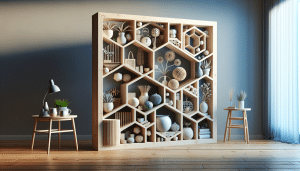
Several minimalist home decor trends have captivated homeowners. Open shelving in kitchens and living areas is a standout. Not only does it free up space, but it encourages careful curation of dishes, books, and objects. People become more conscious of what’s on display, often choosing only pieces with sentimental or aesthetic value. For floors, light-hued wood and poured concrete remain favorites for their seamless look and durability. Neutral rugs in natural fibers offer tactile softness without visual clutter. Plant life—think a single leafy monstera or sculptural snake plant—brings organic energy and vitality to a room while keeping decoration simple.
Smart home technology fits naturally with minimalist living, reducing the need for visible wires and clunky electronics. Concealed charging stations, wireless sound systems, and voice-controlled lighting are integrated to streamline daily routines. Minimalist color blocking is also trending: think a piece of furniture or art in one bold, muted color set against a mostly neutral background. Minimalist bedrooms now often feature floating beds, built-in shelving with hidden storage, and blackout curtains for true rest. Maximizing function without sacrificing style is the underlying current in all these trends, leading many to spend less on decor but more on quality.
Another trend is adaptive furniture. Fold-away desks, nesting tables, and modular seating cater to the shifting needs of home offices, guests, or family gatherings. Large mirrors placed to bounce daylight deepen the sense of space, helping small apartments feel open and expansive. Minimalist-inspired lighting—such as oversized floor lamps or linear LED strips—adds statement without adding visual fuss. Ultimately, these trends are responses to how people want to live: with fewer distractions and more moments of calm, beauty, and reflection readily available in their own homes.
Integrating Mindfulness into Home Design
Minimalist home decor trends invite a mindset shift—one that ties personal well-being to the environment. Creating a space that feels intentional can boost everyday mindfulness. This idea is gaining traction in wellness circles, linking mental calm to simple surroundings. When there’s less clutter, it becomes easier to relax and focus on the present. Experts suggest starting with “zones” for unwinding: a small nook for reading with natural light, perhaps, or a clear table for journaling. Even basic routines like morning coffee or evening stretching feel different in an uncluttered space. Minimalism reminds people to slow down. Each object has its place, which signals to the mind that order is possible among busy days.
Natural materials play an important role in this approach. Touching a stone countertop, running a hand over a wooden bench, or feeling the warmth of a wool floor cushion connects residents to their space. Textured finishes, when used sparingly, bring depth and interest without overwhelm. Some minimalist homes feature carefully curated scents—eucalyptus, sandalwood, or citrus—that further reinforce a peaceful atmosphere. These sensory elements influence mood and may enhance feelings of safety and comfort, making the minimalist approach holistic rather than just visual (https://www.ncbi.nlm.nih.gov/pmc/articles/PMC6085575/).
Establishing mindful routines is easier within a minimalist framework. Cleaning takes less time. Finding what’s needed (keys, documents, favorite mug) happens more quickly. Over time, habits shift: impulse buying drops, gratitude for what’s present rises. Whole families benefit, as children and adults alike can identify what matters in their day-to-day environment. For many, minimalist home decor becomes a practice that’s ongoing, leading to greater contentment and an appreciation of simplicity over time.
Affordable Ways to Transition Toward Minimalism
Minimalist home decor doesn’t require expensive investments. In fact, the guiding rule is to buy less. Start by decluttering one area—such as a closet or bathroom shelf—using the “keep, donate, recycle” method. This not only frees up space but gives a clear sense of progress. Next, consider rearranging furniture for better flow rather than purchasing new items. Many discover that shifting a bookshelf or sofa can dramatically improve a room’s energy. Minimalist principles apply to small decorating touches, too. Repurpose simple glass jars as vases or storage, or choose a single painting as a focal point for a plain wall. These steps align with eco-friendly living, which appeals to those conscious of their impact on the environment (https://www.epa.gov/recycle).
Thrift shopping and online marketplaces make it possible to access high-quality furniture at a fraction of the price of new items. By choosing classic designs or neutral tones, pieces blend seamlessly into a minimalist environment and can transition to other rooms as needs change. Lighting upgrades—like installing dimmer switches or swapping out bulky fixtures for slender lamps—create an instant sense of calm. Even a well-placed plant, such as a peace lily or pothos, can bring life to a room for little cost. Minimalist window treatments, such as linen curtains or wooden shutters, let in more daylight while maintaining privacy.
For renters or those on a budget, peel-and-stick wallpaper or contact paper offers a non-permanent way to add texture and interest to small areas. These affordable changes support a minimalist aesthetic by providing controlled pops of color or subtle patterns that won’t overwhelm. Changing out cabinet pulls or handles for sleek hardware is a simple, low-cost way to update the look of kitchens or baths. Finally, focusing on regular cleanliness—dusting, tidying, and air circulation—ensures that the minimalist vibe remains fresh and inviting, regardless of space size or spending power.
Benefits of Minimalist Living for Health and Well-Being
Minimalist home decor has been connected to improved health outcomes. A home free from visual clutter and chaos can lower stress and support better mental clarity. This benefit is especially important for those managing work-from-home routines or caring for families. Research indicates that clear spaces may encourage healthier habits, such as regular exercise or meal prep, because distractions are reduced (https://www.ncbi.nlm.nih.gov/pmc/articles/PMC4311214/). Visual order has even been associated with deeper, more restful sleep, especially when bedrooms follow minimalist principles.
Physical health often improves in minimalist homes. Dust and allergens have fewer places to hide, leading to better air quality. Open layouts encourage movement, making it easier to clean and harder to accumulate unnecessary items. Some evidence suggests that minimalist environments can foster better eating habits, as kitchen spaces remain organized and ingredients are easy to find. The pared-down style also helps children learn the value of caring for their environment and supports adults in modeling intentional consumption (Source: https://www.childmind.org/article/how-to-help-kids-learn-to-clean-up/).
Above all, minimalist living brings peace of mind. The focus on intentional design, purposeful possession, and tranquil surroundings supports relaxation and resilience in a chaotic world. People often report that coming home to a well-ordered space feels restorative—a stark contrast to the stress associated with constant clutter. Embracing minimalism means building habits for a healthier home and a more balanced, satisfying lifestyle.
References
1. American Psychological Association. (2016). How clutter affects your brain and body. Retrieved from https://www.apa.org/news/press/releases/2016/02/personal-space
2. Houzz. (n.d.). Sustainable home design ideas. Retrieved from https://www.houzz.com/magazine/sustainable-home-design-ideas
3. U.S. Environmental Protection Agency. (n.d.). Reducing, reusing, and recycling at home. Retrieved from https://www.epa.gov/recycle
4. NCBI. (2018). A review of the effects of interior plants on health and well-being. Retrieved from https://www.ncbi.nlm.nih.gov/pmc/articles/PMC6085575/
5. NCBI. (2015). Clutter, chaos, and difficulty regulating emotion: implications for home environments. Retrieved from https://www.ncbi.nlm.nih.gov/pmc/articles/PMC4311214/
6. Child Mind Institute. (n.d.). How to help kids learn to clean up. Retrieved from https://www.childmind.org/article/how-to-help-kids-learn-to-clean-up/

 Smart Indoor Gardening Ideas You Will Want to Try