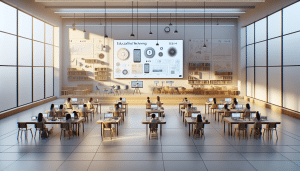
Unlocking Remote Learning’s True Impact on Students
Clara Mitchell September 24, 2025
Remote learning reshaped the way students approach education and society. Unpack how digital classrooms, equity issues, and new learning styles are changing experiences and outcomes—plus what students, families, and teachers are actually discovering about this ongoing shift.
Adapting to Virtual Classrooms
Virtual classrooms became a cornerstone of modern education, especially as the need for distance learning rapidly accelerated. Many students faced sudden changes in their daily routines, learning to engage through digital platforms instead of traditional classroom environments. The shift required not only technical skills but also new self-management strategies. Students discovered that, without the cues and structure provided by in-person settings, motivation and engagement took on a different form. Some embraced the flexibility that came with learning at their own pace, while others struggled to keep up.
The digital transformation in education highlighted the importance of developing strong online communication skills. Students and educators alike worked to master video conferencing, manage digital assignments, and collaborate remotely through discussion boards or shared documents. This adjustment was not seamless. Technical issues, software learning curves, and the absence of face-to-face connection posed real obstacles. Still, resilience and adaptability shone as students and teachers found innovative ways to maintain participation and foster a sense of community despite the distance.
The rise of virtual classrooms required academic institutions to rethink curriculum design and delivery methods. As a result, interactive resources such as digital simulations, multimedia lessons, and adaptive quizzes became central to many courses. Teachers experimented with blended learning and flipped classrooms, allowing students to explore materials at their own pace and use live sessions for deeper discussion. Gradually, these methods changed the definition of educational success, shifting it from passive learning to active exploration and digital citizenship.
Challenges of Access and Equity in Remote Learning
The remote learning movement exposed and sometimes widened pre-existing gaps in access to technology. Reliable devices and high-speed internet are not universal. Students in underserved communities often share crowded workspaces, lack quiet environments, or contend with unstable connections. These barriers limit participation, making it difficult for educators to offer the same support and resources as in a physical classroom. Organizations and governments stepped up to provide devices, internet subsidies, and local learning hubs, but disparities persist.
Equity in education went beyond just hardware. Some families lacked the digital literacy needed to support at-home learning, while students requiring specialized services or assistive technology found themselves at a further disadvantage. The challenge for policymakers and schools became how to bridge these gaps through expanded training, accessible materials, and creative partnerships. Emerging solutions included mobile hotspots, adapted lesson formats, and outreach programs that provide extra support for English language learners or students with disabilities.
Addressing equity is an ongoing process. Closing the digital divide will require coordinated efforts between educators, communities, and technology companies. Initiatives that lend laptops, deploy Wi-Fi buses, and provide technology workshops are only a starting point. Ultimately, reimagining support for all learners—such as those in rural or low-income areas—can redefine future readiness and social mobility. Exploring this convergence between education and society, stakeholders are learning that a one-size-fits-all solution is not enough.
Changing Student Experiences and Mental Wellbeing
The flexibility of remote learning has brought unique benefits and stressors to the student experience. For many, the elimination of commutes and the opportunity for personalized pacing fosters independence and self-initiative. Students with jobs or family responsibilities often find digital learning better accommodates their schedules. However, these gains come with new challenges. The blurred lines between home and school can lead to burnout, diminished motivation, and a sense of isolation.
Emotional and social wellbeing are critical aspects of education. A recent uptick in student-reported anxiety, loneliness, and difficulty concentrating has prompted schools to expand mental health support within virtual environments. Counseling services, well-being check-ins, and online support groups are becoming standard resources. As surveys reveal, students crave opportunities for peer engagement and informal interaction—formerly found in hallways and extracurriculars—underscoring a need for creative social connection while learning remotely.
The mental wellbeing conversation is evolving. Educators are learning to recognize signs of digital fatigue and disengagement, experimenting with breaks, flexible deadlines, and wellness activities to keep students balanced. Families and teachers are sharing strategies for healthy routines, screen time management, and building resilience. The experience shows that addressing mental health is not only about crisis response but also proactive guidance and community-building—essentials for thriving in digital education spaces.
Digital Literacy and New Learning Skills
Alongside core academic knowledge, remote learning environments are sharpening digital literacy skills. Students must learn to navigate educational technology platforms, troubleshoot basic technical issues, and communicate effectively through written and visual media. These new learning skills are invaluable in an increasingly digital world, opening doors to opportunities in higher education, the workplace, and beyond. E-learning courses and open resources are enabling self-directed, lifelong education—a powerful shift for society at large.
Collaboration in remote settings takes many forms: discussion boards, breakout rooms, cloud-based projects, and peer review feedback. These tools encourage students to express themselves clearly, listen thoughtfully, and develop critical thinking through diverse perspectives. Such transferable skills—problem-solving, adaptability, and digital etiquette—are increasingly regarded as essential for both academic and workforce success. As students grow more confident online, their ability to learn and collaborate independently strengthens.
Supporting digital literacy requires ongoing investment in teacher training as well. Professional development sessions on new platforms, cyber safety, and inclusive teaching practices empower educators to guide students through technology-rich environments. By modeling good digital citizenship and creating accessible resources, teachers help bridge generational gaps in digital skills. This investment in both learners and leaders suggests that future-ready societies will rely heavily on continuous skill-building and adaptability.
Parental Involvement and Family Dynamics
The shift to remote education transformed traditional family roles. Parents and caregivers have become essential partners in the learning process, providing structure, encouragement, and tech support at home. For many, managing work responsibilities alongside children’s lesson plans creates stress, but also opportunities for increased involvement in students’ academic journeys. The home now doubles as a classroom, changing family routines and dynamics.
Parental involvement takes many forms: helping students stay on track, navigating technical challenges, and supporting motivation. Resources such as virtual open houses, digital parent-teacher conferences, and instructional guides enable caregivers to stay connected with educators and school plans. The necessity of digital learning has encouraged schools to strengthen outreach, offering tips for effective home study environments and providing regular updates on student progress.
Family support systems are vital for student success during remote learning. Open communication, flexible expectations, and a positive attitude toward technology can help students thrive. At the same time, remote learning has sparked conversations about balancing independence and oversight. As families experiment with new ways to support student engagement, research points to the importance of a shared commitment to learning—and the value of patience, adaptability, and empathy as these roles evolve.
The Future of Education and Work
The widespread adoption of remote education is expected to leave a lasting mark on future education and work models. Hybrid learning—blending in-person and online instruction—offers new flexibility and customization for both students and educators. This adaptability is especially valuable for those pursuing vocational training, technical courses, or ongoing professional development. Blended formats are challenging traditional timelines, institutional boundaries, and definitions of academic progression.
Technological advances driven by remote education are also changing workforce expectations. Digital collaboration, time management, and creative problem-solving are skills now emphasized in hiring and job performance reviews. As digital learning becomes more mainstream, employers will increasingly value candidates who are comfortable navigating virtual tools, independent research, and ongoing skill development online. These trends illustrate the growing intersection between education and evolving societal needs.
Education leaders are exploring how to harness the benefits of remote learning while addressing its challenges. Policy discussions are focusing on equitable access, digital rights, and support for lifelong learning. By investing in inclusive technology, well-designed digital curricula, and robust support networks, societies can create resilient education systems prepared for change. The continued partnership between educators, families, policymakers, and technology providers will shape future opportunities for learners in a digitally connected world.
References
1. U.S. Department of Education. (n.d.). Remote Learning: Best Practices. Retrieved from https://tech.ed.gov/remote-learning/
2. National Center for Education Statistics. (n.d.). Equity in Online Learning. Retrieved from https://nces.ed.gov/
3. American Psychological Association. (n.d.). Student Mental Health and Remote Education. Retrieved from https://www.apa.org/education-career/k12/student-mental-health-coronavirus
4. Common Sense Media. (2023). The Digital Divide and Student Learning. Retrieved from https://www.commonsensemedia.org/research/the-digital-divide
5. Edutopia. (n.d.). Family Engagement in Distance Learning. Retrieved from https://www.edutopia.org/article/engaging-families-remote-learning
6. World Economic Forum. (2020). The Future of Education. Retrieved from https://www.weforum.org/agenda/2020/04/coronavirus-education-global-covid19-online-digital-learning/

 Simple Ways You Can Upgrade a Small Garden