Reasons You Might Love the Science Behind Glowing Skin
Emily Ward September 24, 2025
Discover how modern approaches to skincare and wellness can promote natural, lasting radiance. In this guide, explore how hydration, nutrition, mindful routines, and emerging research all work together to reveal secrets of glowing skin at every age.
The Link Between Wellness and Radiant Skin
Many people wonder what makes skin truly glow. It’s not magic. It’s science. The outer layer of skin reflects internal health, making wellness practices essential for visible radiance. Factors like stress management, adequate sleep, and daily movement can have a bigger impact on appearance than topical treatments alone. As research evolves, it’s becoming clearer that a holistic approach is key. Embracing healthy habits doesn’t just boost energy or immunity—it can also reveal a luminous complexion.
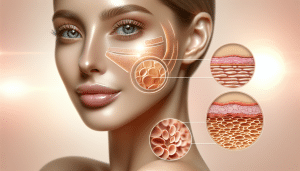
Nutrition and hydration play fundamental roles in supporting healthy skin barriers. Consuming foods rich in antioxidants, healthy fats, and vitamins helps bolster collagen production. Collagen is vital for firmness and elasticity. Staying hydrated allows cells to repair and regenerate efficiently, preventing dryness or dullness. Those who incorporate water-dense fruits and leafy greens into meals may notice smoother, more supple skin. Science supports a balanced diet as one of the most powerful tools in maintaining a natural glow.
Ongoing research also explores the connection between mental wellness and skin condition. Chronic stress can increase inflammation and trigger breakouts or eczema. Practicing relaxation techniques encourages hormone balance and lowers the risk of skin flare-ups. Activities like meditation, yoga, or simply spending time outdoors can reduce cortisol levels—a hormone often linked to premature aging. The skin-thriving benefits of well-being go far beyond surface deep. Investing in your inner wellness can be the first step toward lasting beauty.
Nourishing Your Skin From Within
A nutrient-rich diet forms the foundation for luminous skin. Foods high in vitamin C, such as berries and citrus fruits, support collagen synthesis and help defend against environmental damage. Omega-3 fatty acids found in fish, chia seeds, and walnuts contribute to moisture retention and a plump skin appearance. Zinc, another crucial nutrient, can calm inflammation and regulate oil, making it popular among those who want to manage blemishes with nutrition.
The gut-skin axis is an emerging area fascinating scientists and skincare enthusiasts alike. Research reveals that the health of the digestive tract can influence how skin looks and feels. For example, an imbalanced gut may lead to skin sensitivity or acne, while probiotics and prebiotics may encourage more resilient, balanced complexions. Adding fermented foods like yogurt, miso, or kimchi could support both digestion and visible skin clarity. Improvements can be subtle at first, but with consistency, the effects may become more noticeable over time.
Hydration is just as vital as diet. Drinking enough water helps maintain the skin’s elasticity while flushing out metabolic waste. While external products can lock in moisture, internal hydration ensures cells work efficiently and remain supple. Some dermatology experts recommend drinking fluids throughout the day and monitoring for subtle signs of dehydration—such as dullness or flaky patches. Even minor shifts in water intake can yield brighter, refreshed skin.
Effective Routines for Lasting Glow
Consistency forms the heart of any effective skincare routine. Cleansing, moisturizing, and sun protection may sound basic, but their cumulative impact is profound. Gentle cleansers prevent irritation, while daily SPF shields against premature aging and pigmentation. Layering lightweight serums with antioxidants and hydrating agents can enhance the benefits of a foundational routine. Over time, these habits offer robust protection and enduring glow.
Skin cycling—a method that involves rotating active ingredients on different nights—has gained traction among dermatologists. Alternating between exfoliants, retinoids, and barrier-strengthening creams can allow the skin to repair itself while avoiding excessive irritation. Science supports this routine as a way to optimize results and reduce risk, especially for those with sensitive or reactive skin types. Personalized approaches, guided by professional advice, often yield the best outcomes.
The rise of microbiome-friendly products signals another shift in routine design. Maintaining a balanced skin microbiome may prevent sensitivity, dryness, and flare-ups. Many individuals find that using gentle, pH-balanced cleansers or moisturizers with probiotics helps cultivate a more resilient complexion. Paying attention to ingredient lists and avoiding harsh additives can support these evolving science-backed trends.
Exploring Mind-Body Practices in Beauty
The interplay between mind and body is well-established in modern science. Stress reduction not only benefits mental clarity but can also visibly influence the skin’s appearance. Techniques like mindfulness meditation, guided breathing, or even soft facial massage can help relax tense muscles and improve circulation. Increased blood flow carries oxygen and nutrients directly to skin cells, helping them function optimally.
Sleep is another essential pillar for beauty wellness. Nighttime is when the body undertakes repair processes, producing more collagen and removing environmental toxins. Chronic sleep deprivation can accelerate the appearance of fine lines or dullness. Setting a consistent sleep schedule, minimizing blue light exposure before bed, and using calming rituals like aromatherapy can all contribute to a refreshed, glowing complexion.
Yoga and gentle movement routines are also embraced for their skin-supportive effects. Physical activity can trigger the release of endorphins while increasing circulation to the skin’s surface. Certain yoga poses are thought to enhance lymphatic drainage, which may reduce puffiness and promote natural radiance. Integrating mind-body elements can support not only emotional balance but beauty as well.
The Role of Environmental Factors on Skin Health
Everyday surroundings can shape skincare results. Air pollution, UV rays, and seasonal changes can all stress skin barriers and spur premature aging. Adopting protective strategies—like wearing sunscreen, choosing antioxidant-rich face creams, and using gentle cleansers—helps safeguard against these external stressors. Experts often recommend layering SPF daily, regardless of weather, to defend against UVA and UVB exposure all year round.
Indoor environments matter too. Exposure to dry air from heating or air conditioning can lead to moisture loss and flaky texture. Using a humidifier at home or in the office adds moisture back into dry environments, preventing dehydration. It may also help soothe sensitivity and maintain softness. Incorporating barrier-repairing creams or overnight masks can further enhance results for those living in challenging climates.
Emerging research suggests a multi-pronged approach works best. Rather than searching for a single miracle product, combining protective habits with nutrition, stress management, and mindful skincare yields the greatest benefits. Adaptability is key—what works in summer may need adjusting for winter. Personalizing routines in response to environmental changes can ensure skin remains healthy and glowing.
Realistic Expectations and Holistic Beauty
Understanding the limits of topical products and cosmetic treatments is important for long-term success. Even powerful ingredients like retinoids or hyaluronic acid have their boundaries. Setting realistic expectations can cultivate a healthier mindset toward personal beauty. True radiance stems from an ongoing commitment to self-care, with visible changes unfolding gradually over time.
Holistic beauty recognizes individuality—what works for one may not do the same for another. The journey toward wellness is deeply personal. Experimenting with different combinations of nutrition, routines, and stress management strategies allows for tailored solutions. Being mindful of internal signals, such as breakouts after diet changes, or sensitivity after trying new products, encourages a gentle, adaptive approach.
Finally, embracing imperfections becomes an act of wellness itself. Marks, freckles, or fine lines are natural elements of skin evolution. A balanced perspective—valuing both health and self-acceptance—reinforces both inner and outer glow. The science of glowing skin is not just about achieving flawlessness, but about supporting overall wellness for a vibrant, healthy complexion at any age.
References
1. Harvard Health Publishing. (n.d.). Sleep and Mental Health. Retrieved from https://www.health.harvard.edu/newsletter_article/sleep-and-mental-health
2. American Academy of Dermatology Association. (n.d.). Collagen Supplements: Do they work? Retrieved from https://www.aad.org/public/everyday-care/skin-care-basics/nutrition/collagen-supplements
3. National Institutes of Health. (n.d.). Gut Microbiome and Skin Health. Retrieved from https://www.ncbi.nlm.nih.gov/pmc/articles/PMC6048199/
4. Mayo Clinic. (n.d.). Stress Management. Retrieved from https://www.mayoclinic.org/healthy-lifestyle/stress-management/basics/stress-basics
5. American Academy of Dermatology Association. (n.d.). How to Safeguard Your Skin from UV Radiation. Retrieved from https://www.aad.org/public/everyday-care/sun-protection/shade-clothing-sunscreen
6. Cleveland Clinic. (n.d.). Hydration and Your Skin. Retrieved from https://health.clevelandclinic.org/does-drinking-water-really-give-you-glowing-skin/

 Secrets Smart Homeowners Use for a Greener Lawn